
MALAYSIANS are often quick to speak out against injustice abroad. We express solidarity with Palestinians, highlight the plight of the Rohingya, and condemn violations of human rights wherever they occur.
Yet there is a troubling issue much closer to home that deserves equal attention.
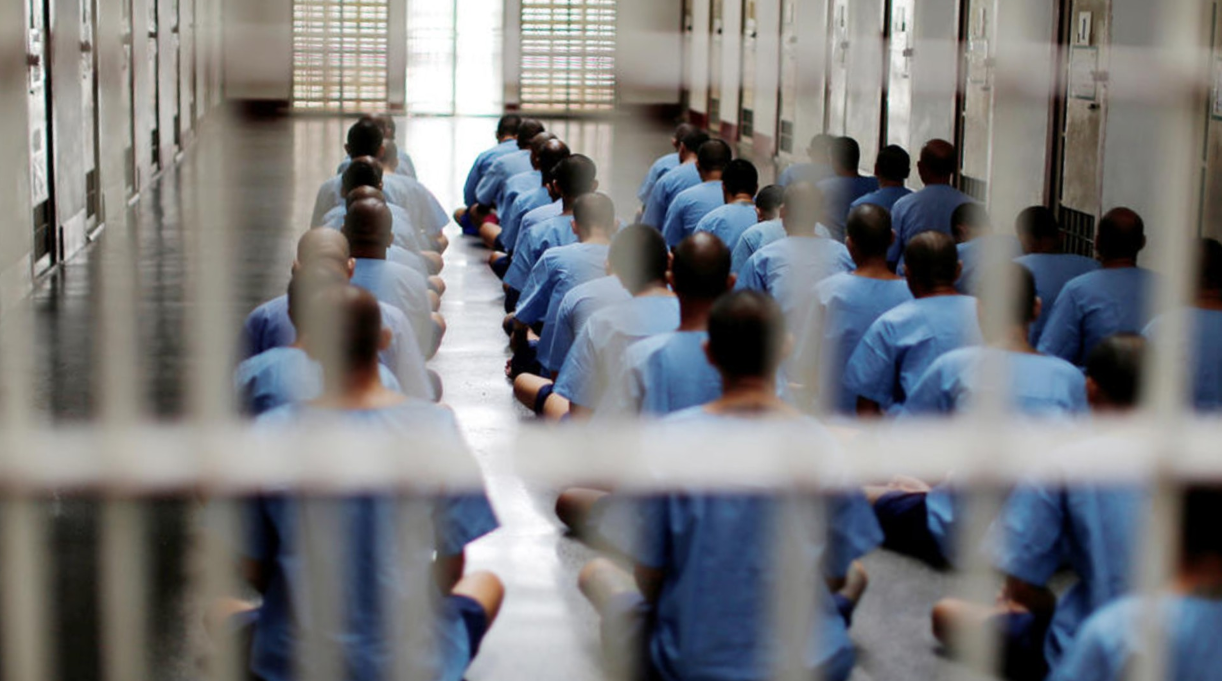
According to recent parliamentary disclosures, 465 people, including 12 children, have died in Malaysia’s immigration detention centres over the past five years.
These deaths did not occur in conflict zones or natural disasters. They occurred while individuals were under government custody and care.
These figures should concern every Malaysian.
Behind every statistic is a person with a family, a history and a future that was never realised. The scale of these deaths raises legitimate questions about detention conditions, access to healthcare, oversight mechanisms and institutional accountability.
The government should therefore establish an independent Royal Commission of Inquiry (RCI) to examine the causes of these deaths and recommend reforms.
When lives are lost in state custody, transparency is not optional. Public confidence depends on clear answers and meaningful accountability.
Malaysia has a legitimate right to enforce its immigration laws and protect its borders. However, immigration enforcement must be carried out in a manner consistent with basic human rights and human dignity.
Particularly troubling is the fact that 12 children were among those who died in detention.
While governments may sometimes face difficult decisions regarding undocumented migrants and asylum seekers, the detention of children should remain an exceptional measure rather than a routine practice.
It is also important to recognise that many detainees are not hardened criminals. Some are victims of trafficking, while others may have been misled by recruitment agents or fled difficult circumstances in their countries of origin.
Although they may have breached immigration regulations, they remain entitled to humane treatment and adequate care.
Greater attention should also be directed towards the criminal networks that profit from human trafficking and labour exploitation.
Enforcement efforts should focus not only on undocumented migrants but also on the syndicates, middlemen and employers who facilitate and benefit from these activities.
Addressing these concerns requires practical reforms. Independent investigations into detention-related deaths, regular public reporting on detention conditions, improved healthcare services, better sanitation standards and faster repatriation processes should all form part of a broader reform agenda.
The government should also strengthen cooperation with international organisations, including UNHCR, to improve the management of asylum claims and explore community-based alternatives to detention, particularly for children and other vulnerable groups.
These measures would not weaken national security. On the contrary, they would reinforce Malaysia’s commitment to the rule of law, accountability and human dignity.
The 465 deaths reported over the past five years cannot simply be viewed as statistics. They represent lives lost in circumstances that deserve careful scrutiny.
Ensuring transparency and accountability is not only a matter of good governance, but also a test of the values Malaysia seeks to uphold as a nation. ‒ July 3, 2026
KT Maran is a Focus Malaysia viewer.
The views expressed are solely of the author and do not necessarily reflect those of Focus Malaysia.
Main image: SUHAKAM