
THE death of 13-year-old Zara Qairina Mahathir in a Papar boarding school dormitory should have been treated as an urgent matter of justice from the very start.
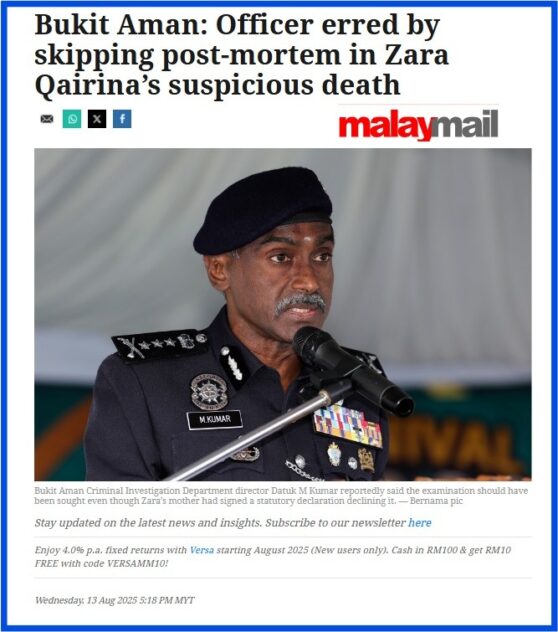
Instead, the weeks of silence, the absence of an immediate autopsy, and the eventual need to exhume her body under orders from the Attorney-General have given this case a political life of its own.
It is a story that could prove costly for Gabungan Rakyat Sabah (GRS) and its federal partner Pakatan Harapan (PH).
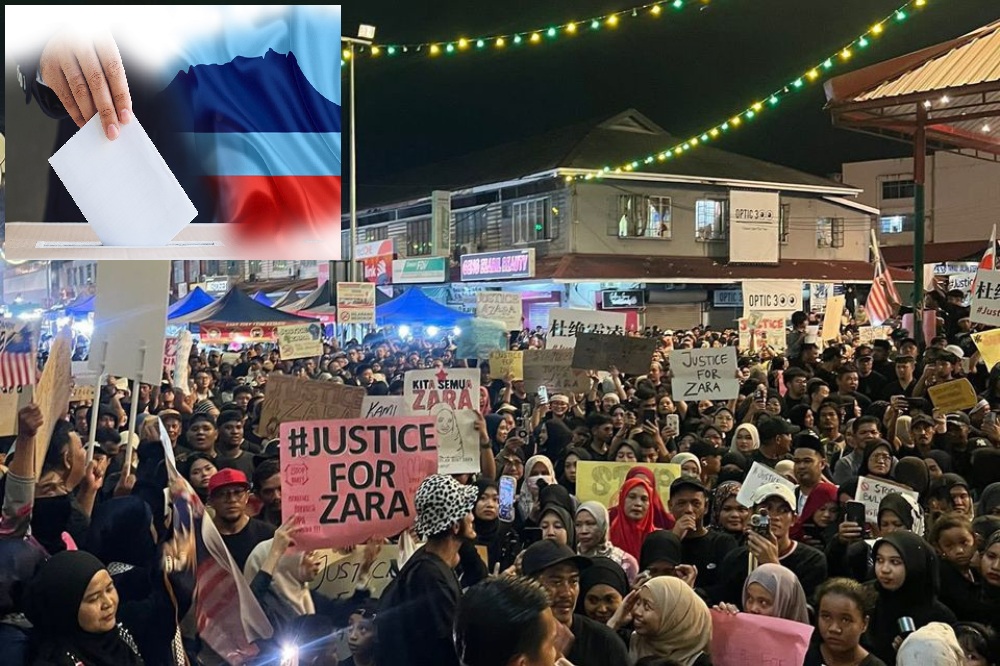
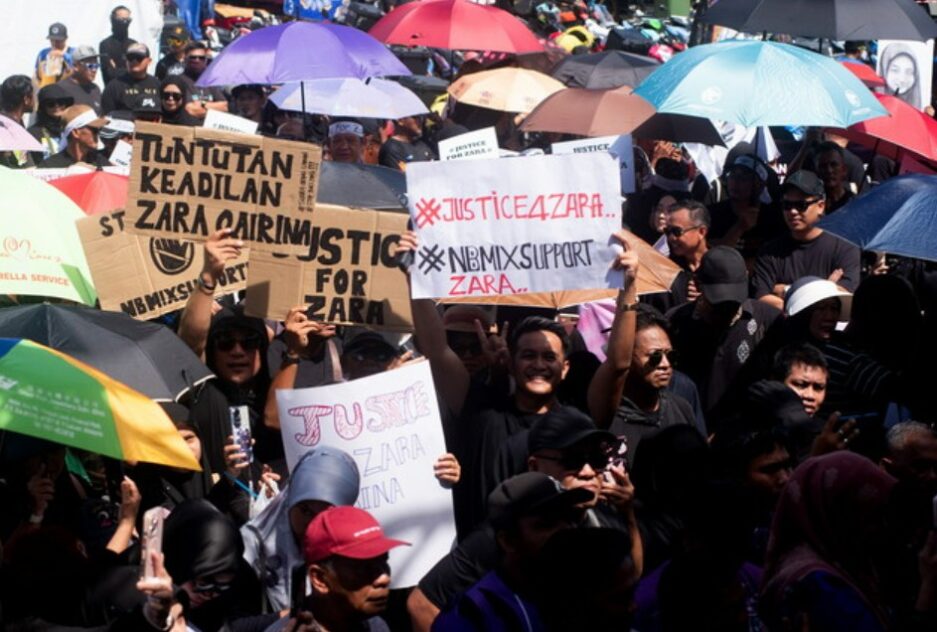
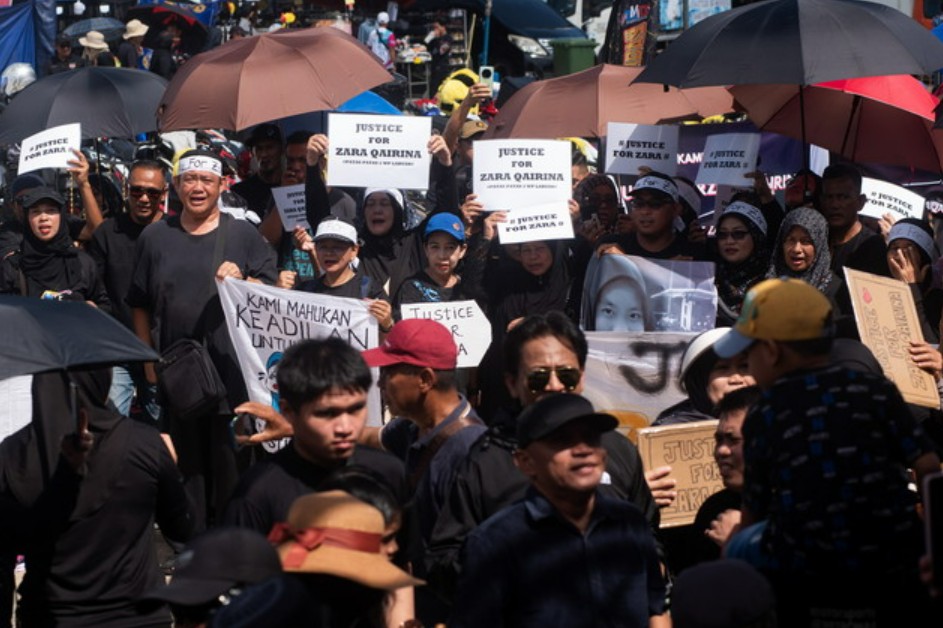
Public outrage has not only refused to die down but spread across Sabah’s urban centres and beyond.
The protests in Sandakan, Lahad Datu, Tawau, Semporna and Labuan drew thousands, united by grief and anger over perceived mishandling of the case. Many are not just asking for justice for Zara but also questioning whether powerful interests are being protected.
While no evidence has surfaced to prove elite interference, the perception alone is politically damaging. This is especially so when a state election must be held soon in a climate where no political parties or blocs are expected to outright win.
The truth is, every fresh protest and every social media post hints at a cover-up and this makes the ground riskier for GRS. Holding polls in the shadow of this case risks turning the election into a referendum on the government’s accountability and moral authority.
Rough patch
Chief Minister Datuk Seri Hajiji Noor’s administration was already dealing with a credibility gap on bread-and-butter issues like water and electricity disruptions.
Now, the Zara case has handed the opposition an emotive, high-visibility issue that resonates with both urban and semi-urban voters.
For PH which is teaming up with GRS in the polls, the political calculus is just as tricky. The former’s power base lies in Sabah’s urban areas where political awareness is high and anger over Zara’s death is most visible.
Urban voters may punish PH for perceived cover-up of the tragedy, if not for sheer incompetence in managing the issue.
To rub salt in the wound, the Education Ministry recently announced a RM8.4 mil plan to give five million pupils Jalur Gemilang badges.
This only reinforces the view that the ministry has its priorities misplaced when it should be focusing on tackling bullying in schools – speculated to be the reason for Zara’s death.
Opponents such as Warisan and even UMNO can be expected to pounce on the issue. They will position themselves as defenders of justice and truth while painting GRS and PH as complicit in dragging their feet by hinting at cover-ups.
As the call for Education Minister Fadhlina Sidek to step down over failure to uphold justice for Zara gathers momentum, the issue could also deepen the unease among GRS’ traditional supporters who are already uncomfortable with the coalition teaming up with a Peninsular-based bloc.
It is still possible for the GRS-PH bloc to contain the political fall-out but the window is closing. A swift, transparent investigation that delivers clear accountability would help. Anything less will feed the narrative of a political class protecting its own.
Zara’s death has already moved from being a criminal investigation to a symbol of political and institutional trust. For GRS and PH, it is not just about solving a case.
It is about convincing voters that the government stands above vested interests. Fail that test and Zara’s name may reverberate in every ceramah, every campaign leaflet – and possibly, be cited as a contributing factor for GRS-PH’s electoral defeat in the post-mortem findings. – Aug 14,2025
Main image credit: Sinar Daily