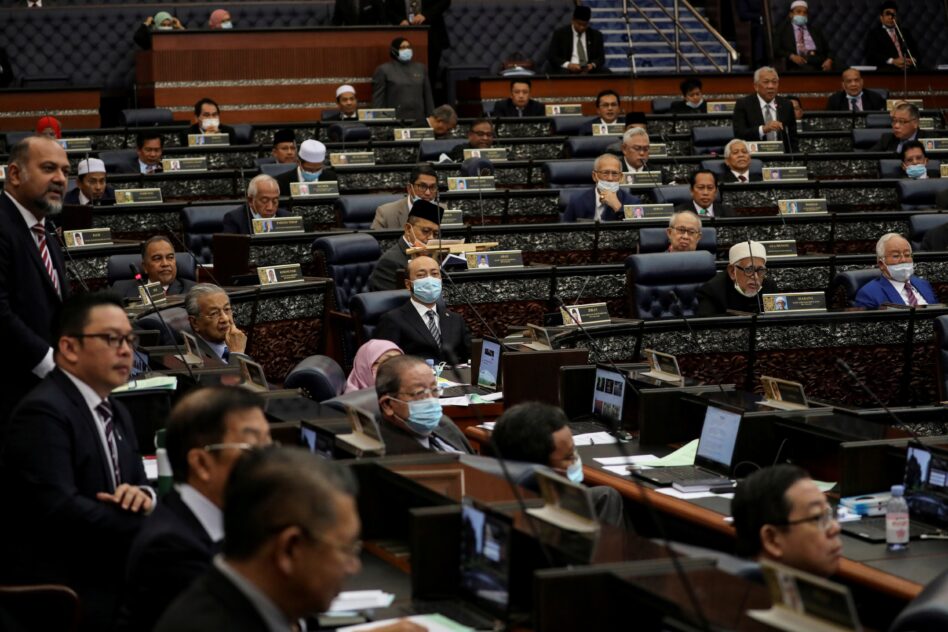


FOR centuries, the Malay society was built on kesetiaan: loyalty to rulers, chieftains and later political leaders.
In the feudal courts, obedience to the raja was not only a duty but a moral virtue. A subject’s worth was measured by his willingness to submit, not by his independent contribution to the kingdom’s progress.
Inherited through generations, this cultural trait became embedded in the Malay psyche –loyalty first, ability second.
This feudal instinct remains alive in modern Malay politics: In PAS, the doctrine of wala’ (obedience to God, national leaders, etc) ensures loyalty to the top is near-sacred.
Questioning decisions is seen as weakness of faith, not as a duty to improve governance. In UMNO, decades of patronage entrenched a culture where everyone “pays homage” to the president and the warlords.

‘Blind loyalty is a paralysis’
As such, positions and contracts are secured by loyalty, not competence. Despite being a younger party, the same habits are reproduced in Bersatu; leaders expect uncritical loyalty while followers cried for protection rather than meritocratic advancement.
In all three parties, the same DNA persists: leadership is not about ideas or vision but about gathering followers who submit without question.
This excessive loyalty without critical thinking is why foreign powers repeatedly took advantage of the Malays: Raffles acquired Riau/Singapore for a mere 3,000 Spanish dollars because local rulers could not unite or assert long-term vision.
The Portuguese and Dutch carved out the archipelago by exploiting divided loyalties among Malay sultans.
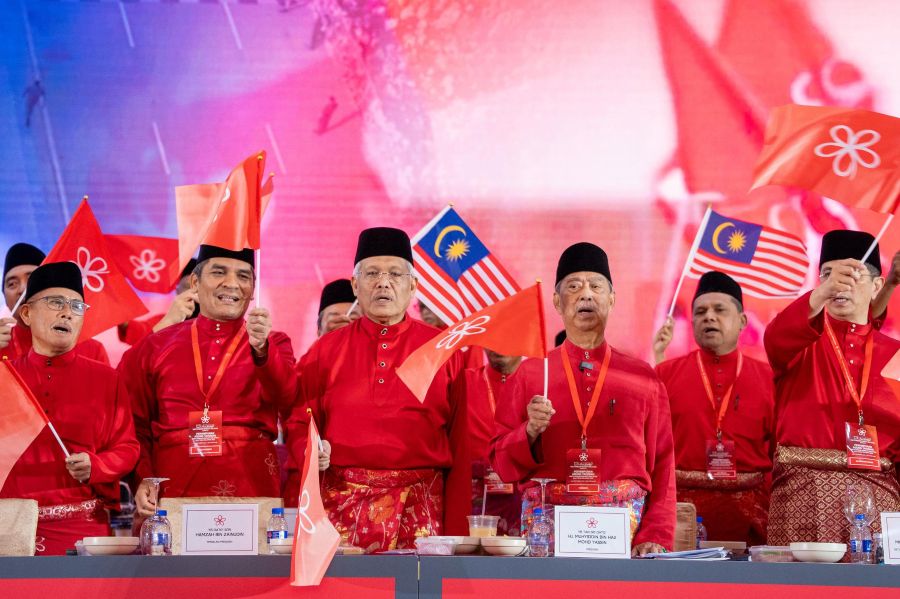
The Japanese marched through Malaya on bicycles – not tanks – because loyalty based leadership left the land unprepared for collective resistance.
The tragedy is not just military defeat; it is a pattern of being walked over because blind loyalty paralyses the mind and independent initiative.
‘Malays confuse obedience with stability’
Today, the same problem resurfaces. Government-linked companies (GLCs) remain bloated because leaders reward loyalty instead of merit.
Policy stagnates because politicians dare not question the top, fearing accusations of betrayal. Society remains vulnerable to cartels, monopolies and foreign manipulation because Malays confuse obedience with stability.

This is why Malays despite being the demographic majority still feel as though they do not “own” their own country in the fullest sense. Ownership without agency is hollow; loyalty without merit is bondage.
Loyalty is not inherently bad; it can unify communities. But when loyalty becomes all-consuming, Malays risk repeating the same historical mistakes: being custodians while others seize the real levers of wealth and power.
Stability bought through obedience is temporary; progress requires courage, critical thought and meritocracy.
Will this cultural cycle breaks? I don’t think so; Malays will never rise beyond being followers in their own land. – Sept 9, 2025
Former de-facto law minister Datuk Zaid Ibrahim is an opposition-slant UMNO member. This view first appeared on X under the title “Loyalty Without Merit: The Malay Dilemma”.
The views expressed are solely of the author and do not necessarily reflect those of Focus Malaysia.