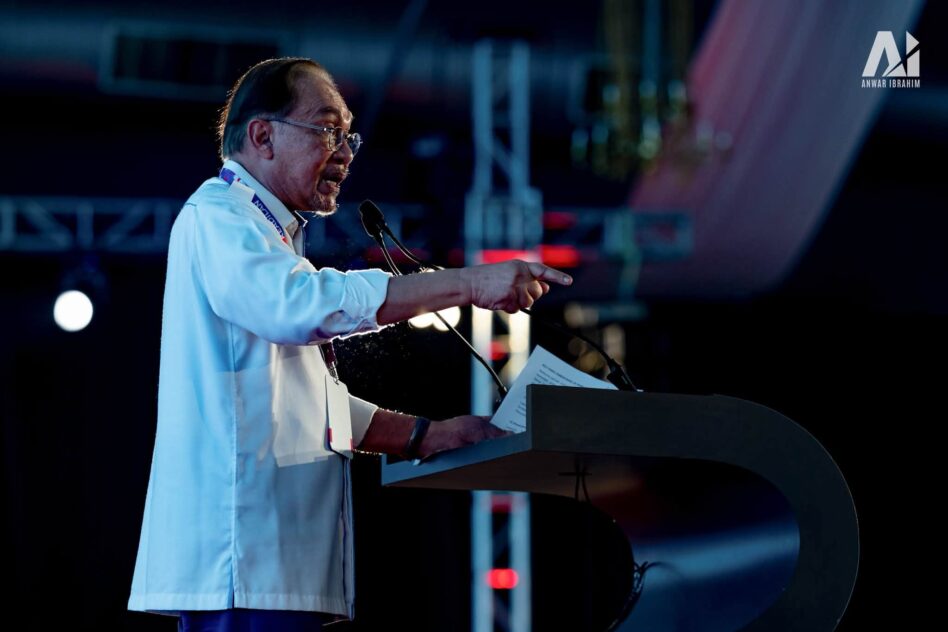


EVER since Prime Minister Datuk Seri Anwar Ibrahim gave the local authorities the greenlight to demolish purportedly illegal temples, the matter has ignited public debate.
How will this directive from the most powerful man in the land be carried out? It will most probably be executed to the letter because an order from the Prime Minister’s Office can be (mis) interpreted as having the weight of law.
There could be hundreds of such temples allegedly erected in the country without proper authorisation and most of them happened to be Hindu temples.
The government has the right to order the demolition of such houses of worship sitting on private or state land. And now the local authorities – municipal and city councils – are given the carte blanche to implement this executive directive.
Beware of temper flaring
But the local governments must proceed with extreme caution on this very sensitive matter because religion must be treated with the utmost respect and reverence.
So, how can the authorities go about enforcing what is effectively seen as the rule of law? There are two ways of tackling this thorny issue.
One method is to tear down the temples or shrines wherever they are found either under the trees or on private or state property. The other is to settle it amicably through legal channels.
The first approach might not whip up a storm of protest if shrines put up under the trees or temples built haphazardly all over the places are demolished.
But if a temple built 100 years ago is still standing strong with all its elaborate carving of deities intact is slated for demolition because it occupies a piece of land it does not own, then things can turn ugly.

Picture this: the demolition squad arrives at the scene but sees thousands of Hindu devotees milling around the temple site. Undeterred and unfazed, the crew moves in with their bulldozers and sledgehammers and starts knocking down the walls.
Upon seeing this destruction in progress, temperature in the swelling crowd might soar to boiling point and there’s no knowing what will happen next.
This tense situation can be replayed all over the country wherever there are old solid temples built on an empty piece of land supposedly not according to law.
Faced with such a potentially explosive situation, the other safer route is to play by the book: let the court decide how the matter can be settled amicably.
Legal avenue is best solution
If the temples were built in recent times, then it would not be too intractable for the court to deliver its verdict. The rules were clearly laid down but the temples were constructed and operated outside the parameters of the law.
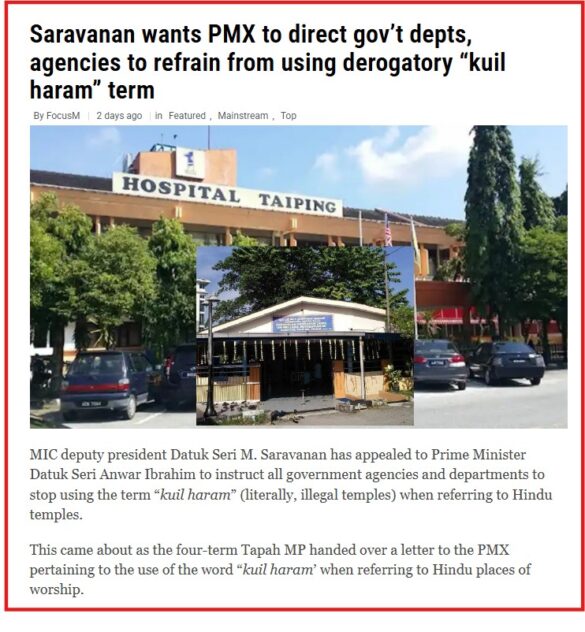
But justice must be tempered with understanding. Do not label the temple haram (illegal) because it carries the implication that all the devotees have committed an illegal act by simply standing in a house of worship that has not been given the stamp of legitimacy.
In most cases, the courts will be dealing with legacy issues since many of the old temples were built at a time when there were no appropriate laws to address the problem.
Now that there are laws in place, nobody can flout them or plead ignorance. If the temples were built five or 10 years ago on private or state land, the authorities can order their demolition.
Nevertheless, the local governments including the police must seek a court order first before discharging their duty. Serve the court notice on the temple management and, better still, give it sufficient time to evacuate the site.
For older temples that had been erected before the dawn of independence, let goodwill and good sense prevail.
Corporate social responsibility
Instead of seeking to tear down these sturdy structures, the authorities should issue a permit and let the building continue to be a permanent focal point of prayer for Hindu devotees
If these houses of worship were sited on land owned by a company, then the latter could help by sponsoring a temple in a suitable site.
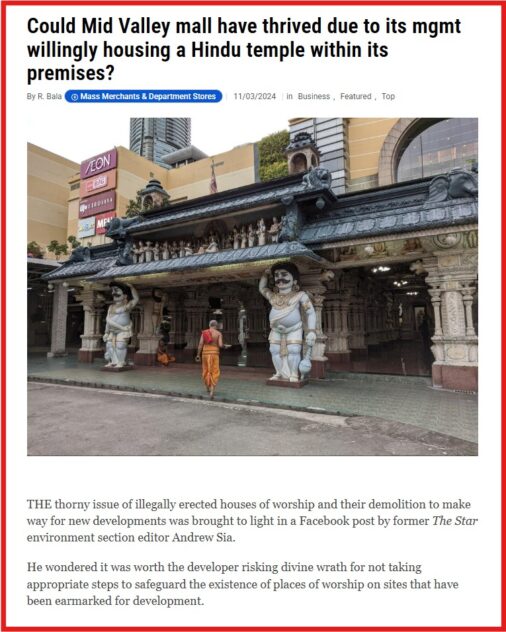
If it is a housing developer, it would be an act of corporate magnanimity if a piece of land is set aside for a small temple to meet the spiritual needs of the Hindu residents.
Hindus – like all the followers of other faiths – need a proper house of worship to offer prayers and chant their sacred hymns. Nobody should disrupt these solemn acts of piety. For that matter, let all religions flow through our broad land unhindered.
Perhaps, the authorities should consider approving applications from the Hindu community for a temple on a suitable site in the true spirit of religious tolerance and harmony.
This way, national unity can be further strengthened in the absence of religious strife and the wheel of life can turn uninterrupted for the good of all.
Still, danger lurks ahead. Some overheated hotheads might take the law into their own hands and start demolishing temples wherever they are found. These vigilantes are not doing the Madani leader any favour by their reckless action.
Unchecked, this provocative behaviour might trigger a backlash with other vigilantes being formed to defend their temples and repel the intruders. Any clash over a highly inflammable issue might spark a wider conflict that will not do anyone any good.
It is imperative that all parties, especially politicians, pull back from the brink and not aggravate an already fraught situation. Don’t play with fire – the holy fire of religion. – March 5, 2026
Phlip Rodrigues is a retired journalist.
The views expressed are solely of the author and do not necessarily reflect those of Focus Malaysia.
Main image credit: Arun Dorasamy/Facebook
dd