
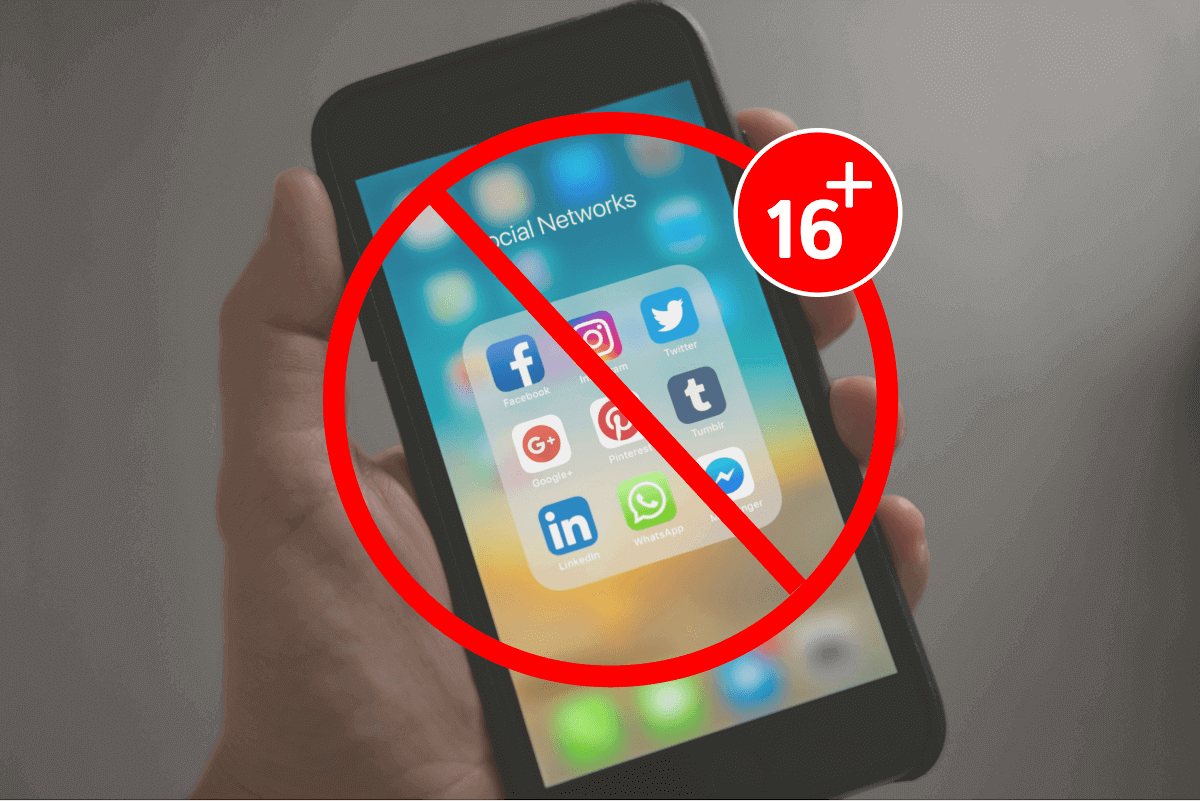
THE proposal to ban children under-16 from using social media has sparked heated debate among parents, educators and psychologists.
While the policy’s intention is clear – to protect young people from cyberbullying, exploitation and digital addiction – a number of Malaysians are of the view that a blanket ban may not be the most effective solution in an increasingly digital world.
For them, the real issue is not whether social media is good or bad but how adolescents should be prepared to navigate it responsibly.
Digital industry professional, Siti Sharifah Sharina Abdullah Sahani, believes that a complete ban may offer temporary relief but does not solve long-term challenges.
“Our children are growing up in a digital world. Social media is not just entertainment but also a platform for learning, communication and building self-confidence,” she contended.
View this post on Instagram
“If we ban it entirely until age 16, what happens afterward? They will still be exposed, only without prior experience or guidance.”
‘Blanket ban is overly simplistic’
Sharifah Sharina emphasises that gradual exposure with parental monitoring is a more practical approach. Digital literacy education should start early in schools, covering data privacy, online safety and recognising harmful content.
“Banning doesn’t mean full protection. Technology is unavoidable, so it’s better to teach children how to use it safely,” she added.
For mother of two, Syafiqah Rosli, a blanket ban appears overly simplistic and fails to reflect today’s educational realities.
“Many school assignments now require students to search for information and interact online. Social media also serves as a medium for group discussions and idea sharing. If we block it completely, are we limiting their learning opportunities?” she wondered.
View this post on Instagram
Syafiqah suggests a more balanced approach such as strengthening digital literacy modules in schools and enhancing platform accountability.
She points to debates in countries that have opted for platform regulation and online safety education instead of total bans.
“The core issue is safety and mental health which can be addressed through education, counselling and supervision – not merely age-based restrictions that are easily bypassed,” she added.
Evidence-based approaches
Meanwhile, Syazwan Zainal sees enforcement as the biggest hurdle. Without a robust age verification system, the ban may be effective only on paper.
“Today’s teens are tech-savvy. They know how to use VPNs (virtual private network), create new accounts or use someone else’s account. If the rules are too strict, it could push them into hidden usage without parental knowledge,” he warned.
Syazwan also expressed concern that overly rigid restrictions might widen the digital divide, especially for teenagers from lower-income families who rely on social media for additional learning opportunities and career exposure.
“We don’t want to protect them in a way that ultimately isolates them from the digital realities they will face as adults,” he stressed.
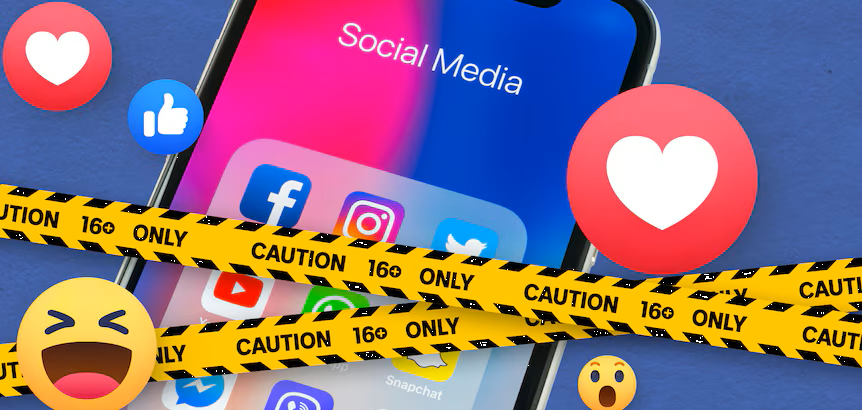
The debate is not unique to Malaysia. Several countries have explored stricter age limits on social media access.
For example, Australia has introduced proposals to restrict social media use for children under-16 but the policy has sparked similar concerns among educators and digital safety experts who argue that enforcement challenges and digital literacy gaps may limit its effectiveness.
While all three individuals agree that child safety is a priority, they argue that policy approaches should be more comprehensive and evidence-based.
This debate should not be seen in black-and-white terms. The question is not whether social media should be banned but whether young people are being equipped with the skills to manage digital risks responsibly and confidently.
In an era where technology is a daily part of life, many believe that education, parental engagement and platform accountability may provide a more sustainable solution than an outright ban. – March 9, 2026
Main image credit: KidsNanny