
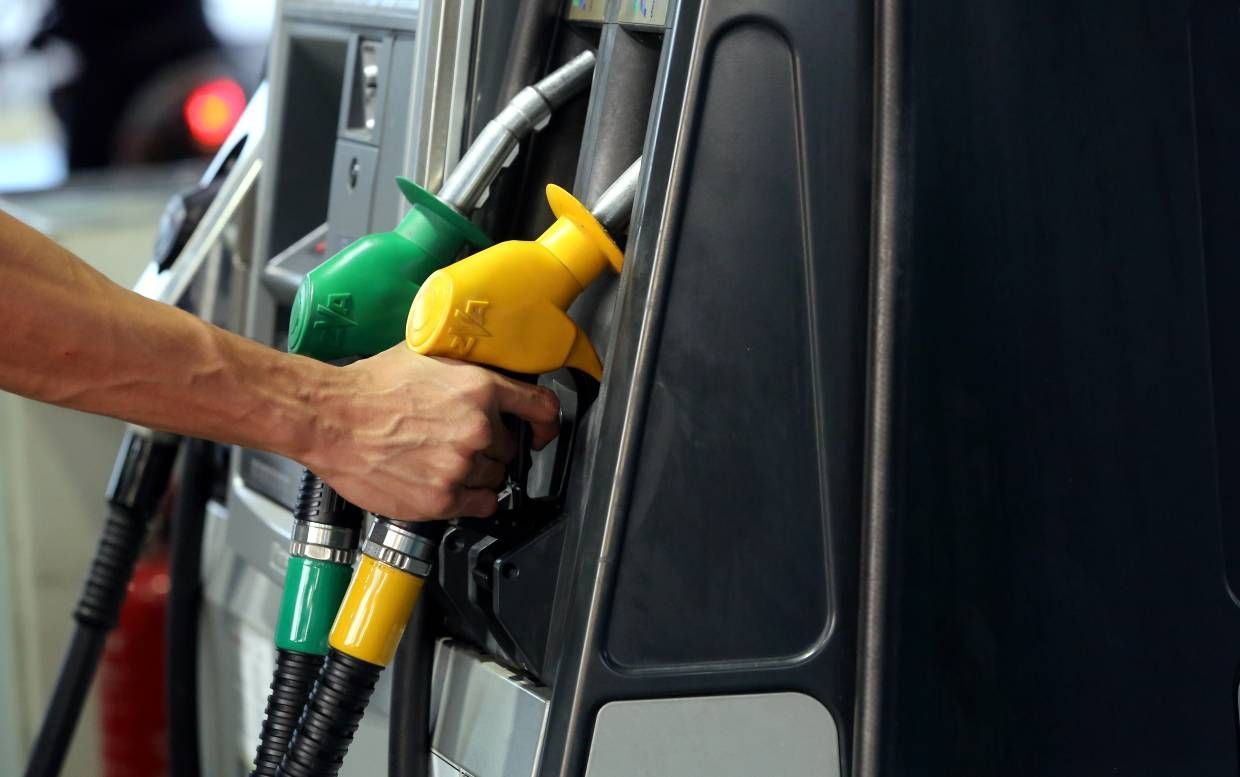
MCA has expressed support for the government’s crackdown on leakages and smuggling of subsidised RON95 petrol following recent enforcement cases in Johor and Penang where individuals were caught pumping petrol into containers without permits.
Its Public Policy and People’s Livelihood Research Advisory Committee chairperson Datuk Dr Monna Ong Siew Siew said such action is necessary to protect national resources and ensure subsidies reach those who truly need them.
However, she cautioned that enforcement alone is not enough—clear and accessible guidelines are equally critical, adding that petrol must be handled responsibly, given its highly flammable nature.
“Proper storage in approved containers is essential to prevent accidents such as fires or explosions. Safety must always come first in the handling and transportation of fuel,” she said.
At the same time, Ong, who is also the MCA Terengganu state liaison committee chairperson, stressed that the government must provide clearer direction on the rules governing the purchase of RON95 in 20-litre containers.
There are legitimate reasons why individuals or businesses may need to store fuel, such as for small machinery or emergency use. Yet, uncertainty remains over who qualifies for permits and how they can be obtained.
Among the key questions raised are who is eligible, what documents are required, whether limits or specific conditions apply, and how long permits remain valid.
Without clear answers, Ong warned that enforcement could become inconsistent and may inadvertently penalise ordinary consumers with genuine needs.
To address this, Ong urged the Domestic Trade and Cost of Living Ministry to provide straightforward, user-friendly guidance for the public.
This includes step-by-step instructions on applying for permits, details on where applications can be submitted, whether online options are available, and clear contact points for enquiries.
“Clear communication will help prevent confusion, reduce unintentional breaches, and ensure smoother implementation,” Ong emphasised.
Ultimately, she noted that effective policy must go beyond enforcement to include clarity, accessibility and fairness. By doing so, the government can better balance the need to safeguard fuel subsidies while supporting legitimate usage on the ground. – March 26, 2026
Main image: The Star