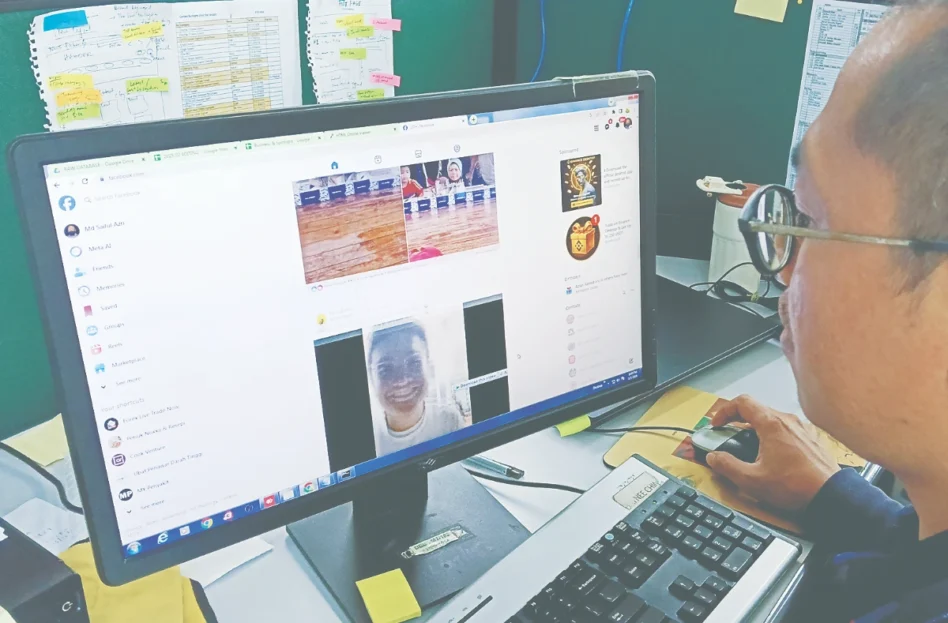


RESTRICTING social media access for users under 16 may not shield Malaysia’s youth from online harm; instead, it may simply drive them toward unregulated platforms with far fewer safeguards.
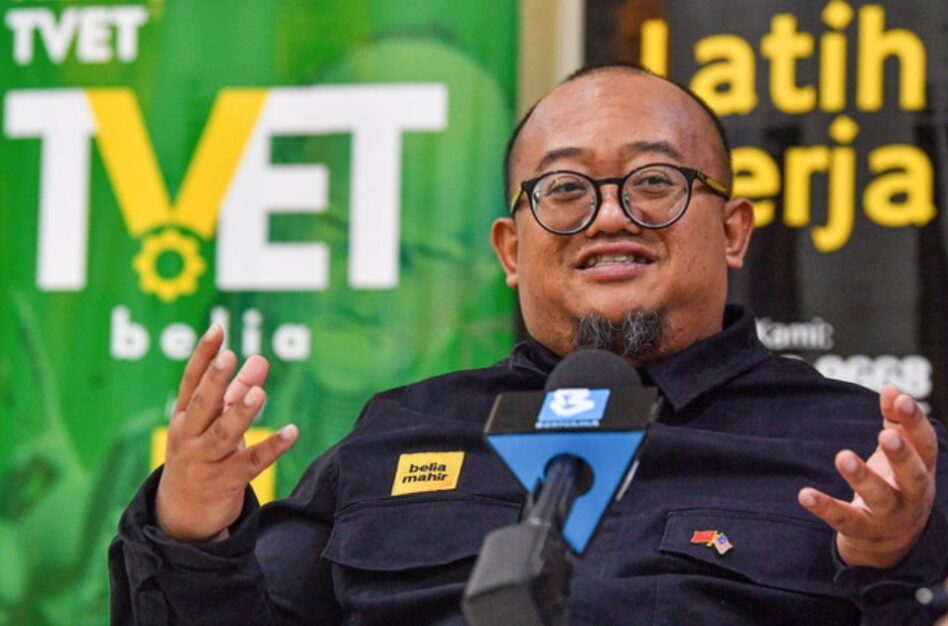
In essence, the debate surrounding a blanket ban misses a more uncomfortable truth: today’s teenagers will not go offline but “they will go elsewhere”, according to youth organisation Belia Mahir’s president Mohammad Rizan Hassan.
“When youths shift to unregulated platforms, the risks of exposure to extreme content, scams and exploitation become higher,” observed Rizan, noting that mainstream platforms at least operate under community guidelines and are subject to regulatory pressure.
A learning tool, not just an entertainment platform
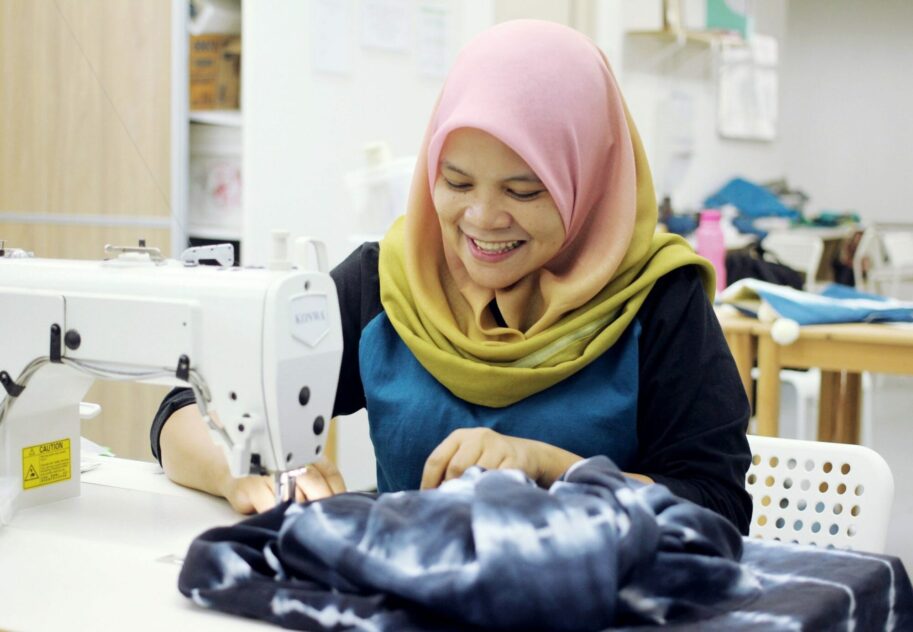
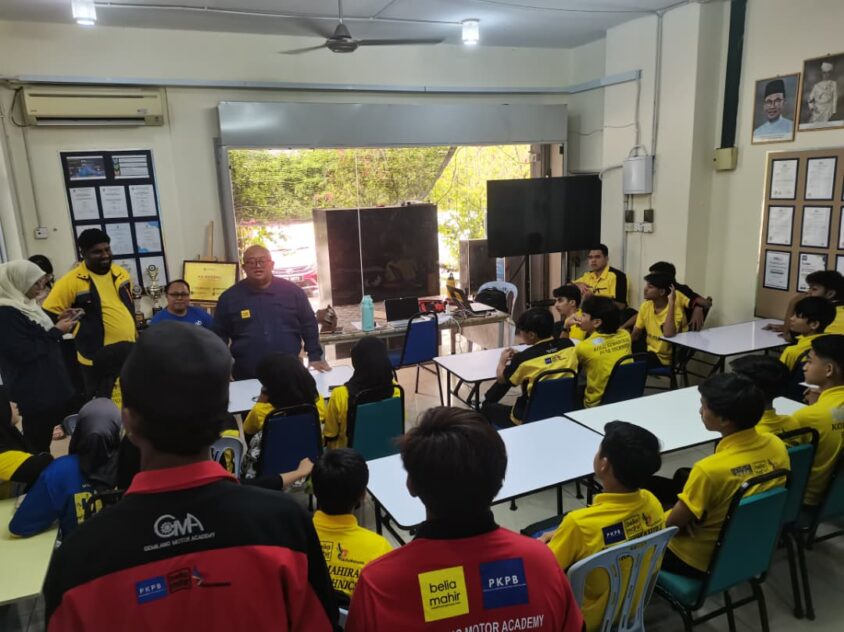
Rizan who has worked closely with pupils in technical and vocational education and training (TVET) programmes, contended that the framing of social media as purely a threat overlooks how deeply embedded it has become as a learning resource.
In TVET settings, pupils are already using these platforms to pick up technical skills, follow emerging industry trends and shape their career aspirations, often going well beyond what formal syllabi offer.
“Many pupils learn independently by searching for videos, experimenting, failing and improving. This actually builds an important quality in the future workforce, namely self-directed learning,” he postulated.
As such, cutting off this access would have real consequences for Malaysia’s ambition to build a competitive, tech-ready generation.
“If access to these platforms is restricted, we risk limiting exposure to technology and emerging industry trends, weakening the culture of self-directed learning and reducing youth competitiveness in the global digital economy,” opined Rizan.
Guided engagement, not prohibition
The evidence from more digitally mature nations farther points in a clear direction: the answer lies in building judgment, not walls.
Estonia which won the Global Future Fit Award at the 2025 World Governments Summit in Dubai for its innovative digital education programmes is widely held up as a model.
Rather than restricting youth access to digital platforms, Estonian students are encouraged to use digital tools from an early age with digital skills treated as a core part of the national curriculum, on par with literacy, mathematics and languages.
Launched in 2012, Estonia’s ProgeTiger programme aims to improve the technological literacy of both teachers and students by integrating programming, robotics and technology studies into schools from kindergarten level upward.
The emphasis is not on limiting access but on developing the critical thinking and digital competence to navigate it responsibly.
The result: Estonia has consistently topped the PISA education league table, demonstrating that a proactive, technology-forward approach to education need not come at the expense of student well-being.
Building digital wisdom, not digital walls
“Henceforth, the real challenge is not merely controlling access to technology but building the ability to make sound decisions within digital environments,” reckoned Rizan.
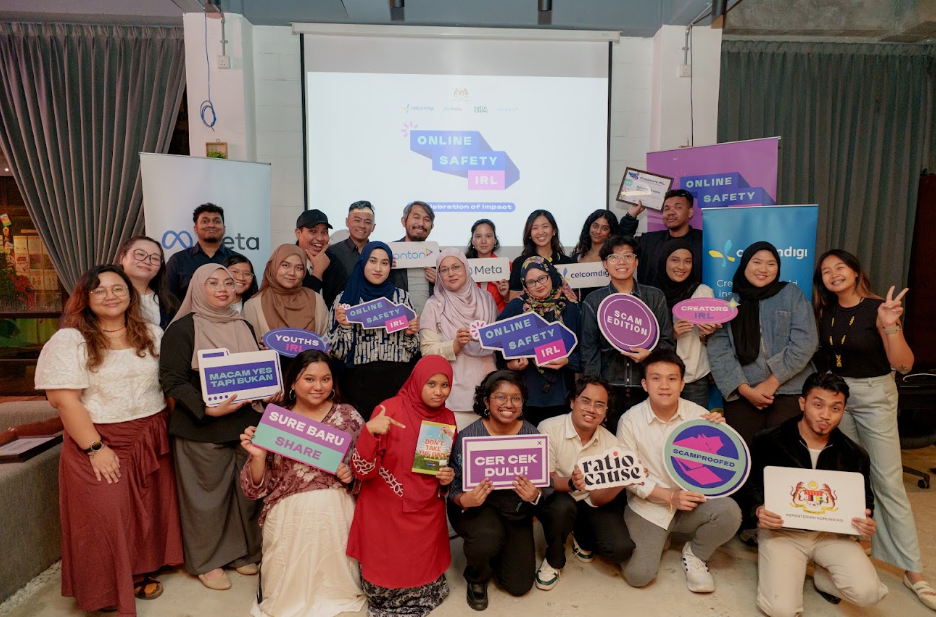
Stressing that parents, educators and training institutions all have a critical role to play, he called for a more practical, multi-stakeholder response – one that combines supervised access with active monitoring, digital literacy as a core competency in schools as well as structured collaboration between government, industry, educational institutions and families.
Towards this end, he urged policymakers to re-frame the question entirely.
“The real challenge is not to shield youths from technology but to ensure they are mature enough, wise enough and skilled enough to master it,” he reasoned.
“In today’s world, those who succeed are not those who are most protected but those who learn the fastest, dare to try and adapt the best.” – April 2, 2026
Image credit: Projek Belia Mahir; ABC News