
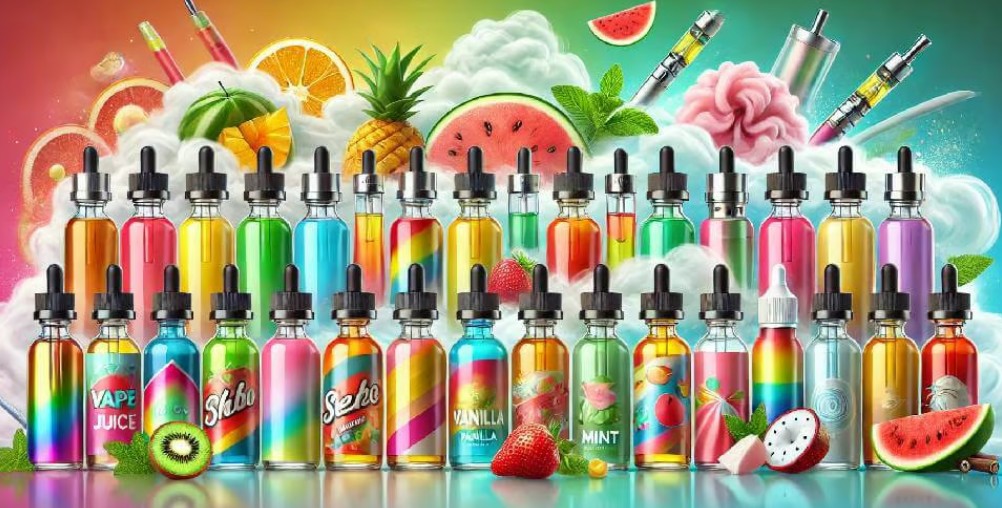
MALAYSIA’S local vape industry has warned that any abrupt move to ban 15ml vape products under the Control of Smoking Products for Public Health Act 2024 (Act 852) could cost the country more than RM600 mil in annual tax revenue while putting thousands of Malaysian jobs at risk.
Local vape companies have collectively invested tens of millions of ringgit since Act 852 was introduced, including product registration with the Health Malaysia Ministry (MOH), SIRIM certification, excise duty payments, establishment of local manufacturing facilities, laboratory testing, and compliance with safety and labelling standards.
“We’ve abided by the law and made substantial investments to ensure our products meet government standards,” lamented Malaysian E-Vaporisers and Tobacco Alternatives Association (MEVTA) president Mohamad Nizam Talib.
“Now, out of nowhere, there’re proposals to eliminate the 15ml product category without any reasonable transition period. This doesn’t’ just affect the industry but national revenue and the livelihoods of Malaysians.”

Turning to illicit market
Based on current estimates, there are approximately 1.5 million vape users in Malaysia with around 70% using liquid-based vape systems. Average consumption is estimated at roughly eight bottles per month.
At a tax rate of RM6 per 15ml bottle, the government is estimated to collect approximately RM50 mil in tax revenue each month or more than RM600 mil annually from this product category alone.
However, a hasty ban on 15ml products would not only risk crippling the legitimate local industry but could also fuel a surge in smuggling, accelerate black market growth, undermine regulatory control and open the door to untaxed and unregulated products flooding the market.
“Consumer demand does not simply disappear when legal products are taken off the shelf. Users will turn to the black market for unregulated and untaxed alternatives that fall entirely outside the government’s oversight,” projected Nizam.
The industry also raised concerns about the patchy enforcement of Act 852 by noting that online sales remain rampant, unregistered products are still readily available and that abuses of vape products containing prohibited substances, including synthetic drugs, is on the rise.
Misplaced action?
The real driver of vape abuses, the industry argued, is the illegal market and underground products that sit completely outside any regulatory framework – not the legitimate, registered products currently being targeted.
At the same time, the industry highlighted what it described as a glaring policy inconsistency: open system devices remain permitted, taxes continue to be collected and SIRIM certifications are still being approved yet the legally manufactured vape liquids designed for use with these very devices are now being proposed for elimination.
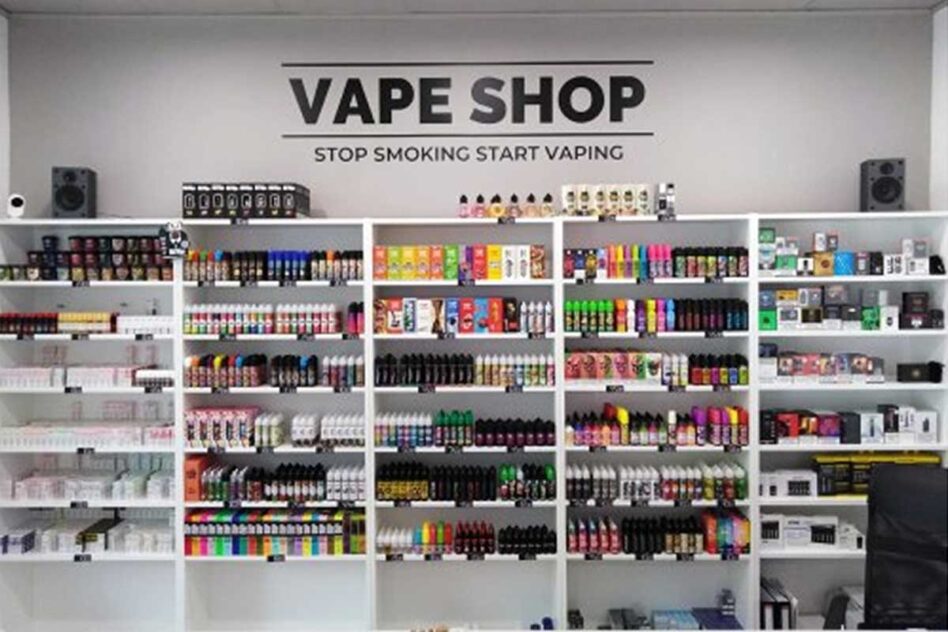
“If the devices are still legal, why are legitimate vape liquids being singled out for a ban?” queried Nizam.
“This sends deeply mixed signals to investors and the industry, particularly given the significant investments that have been made to meet all government requirements.”
Malaysia’s local vape industry is estimated to employ more than 8,000 workers in manufacturing and over 15,000 in retail with thousands more supporting jobs throughout the broader supply chain.
A significant portion of industry players are young entrepreneurs and Bumiputera business owners who have built their businesses through legal channels over the past few years. – May 14, 2026
Main image credit VapeNinja