
EVERY year on June 5, World Environment Day reminds us of the environmental challenges facing the planet. Climate change, biodiversity loss, pollution and resource depletion often dominate the conversation.
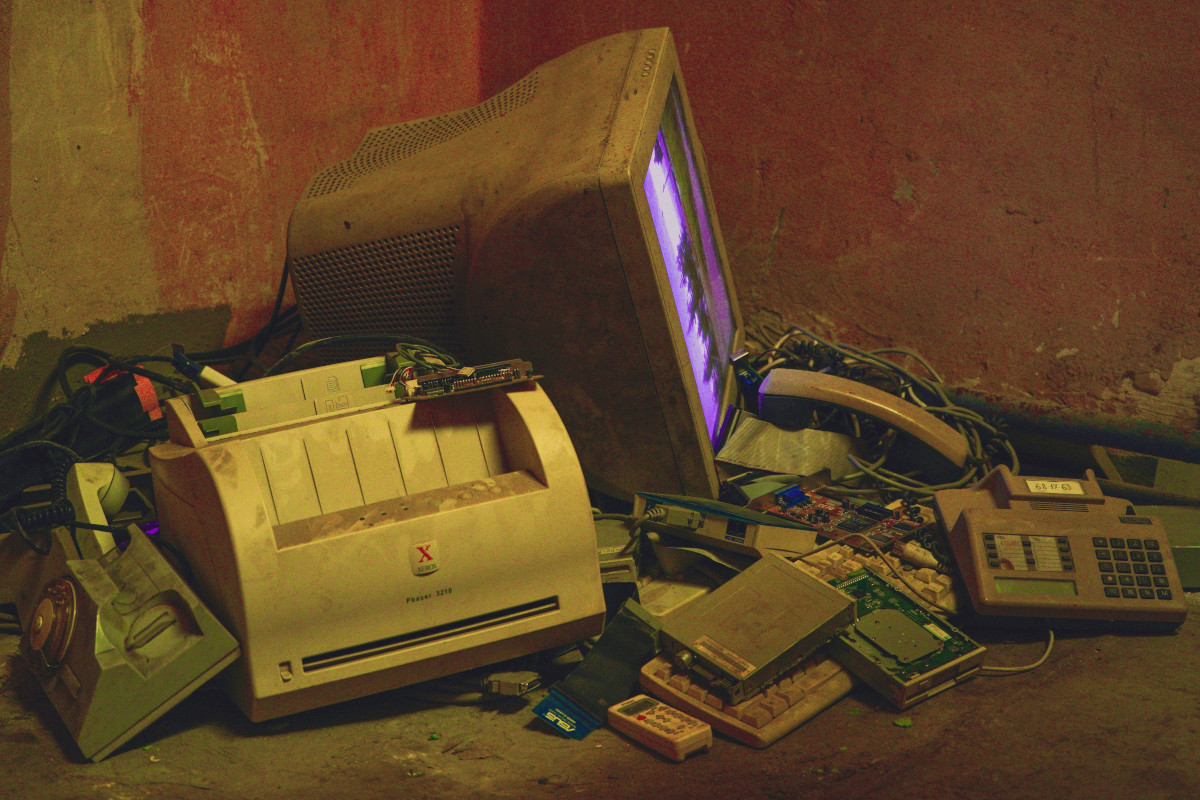
Yet one growing environmental threat receives far less attention despite its increasing impact on communities, public health and ecosystems: electronic waste, or e-waste.
In Malaysia, e-waste is no longer a future problem. It is a present reality.
From illegal container shipments arriving at ports to informal recycling operations that extract valuable materials through unsafe methods, Malaysia has increasingly found itself on the front line of the global e-waste trade.
While shipments are often declared as “recoverable materials” or recyclable goods, the reality is that many contain hazardous waste that poses significant environmental and health risks.
The consequences are serious. Heavy metals and toxic chemicals can contaminate soil and water sources, while unsafe recycling practices expose workers and nearby communities to harmful pollutants.
In some cases, valuable metals are recovered through open burning or crude extraction methods that release dangerous substances into the environment.
Despite ongoing enforcement efforts by the Department of Environment and other authorities, Malaysia continues to face challenges in curbing illegal imports and unlicensed processing activities. Enforcement remains necessary, but it cannot be the sole solution.
The deeper problem lies in how electronic products are designed, consumed and discarded.
Globally, e-waste is one of the fastest-growing waste streams. As societies become increasingly dependent on digital technologies, more devices are being purchased, upgraded and discarded at shorter intervals.
The United Nations estimates that global e-waste generation could continue rising sharply in the coming years, placing growing pressure on waste management systems worldwide.
Malaysia cannot simply arrest its way out of this problem.
A more sustainable solution begins upstream. Products entering the Malaysian market, whether imported or locally assembled, should be designed with repairability, durability and recyclability in mind.
Consumers should not be forced to replace entire devices because a battery cannot be removed or a single component cannot be repaired.
The principles of a circular economy require products to remain in use for as long as possible before their materials are recovered and reused. This reduces waste generation while conserving valuable resources.
At the same time, Malaysia should invest more aggressively in research and development to reduce reliance on hazardous materials commonly found in electronic products.
Safer and more sustainable alternatives to substances such as cadmium, beryllium and certain flame retardants should become a national research priority.
The country must also begin viewing e-waste as a resource rather than simply a disposal problem.
Around the world, “urban mining” has emerged as an important industry, allowing valuable metals and materials to be recovered from discarded electronics through safe and regulated processes.
Rather than allowing informal operators to work in unsafe conditions, Malaysia should support the formalisation of recycling activities through licensing, training and access to modern recovery technologies.
At the same time, stronger measures are needed to curb illegal imports. Customs authorities and environmental regulators should be equipped with better detection capabilities, including improved cargo screening, real-time tracking systems and stronger information-sharing mechanisms.
A transparent registry of licensed e-waste processors would also help improve oversight and public confidence.
Malaysia should not tackle this challenge alone. E-waste is a regional and global issue that requires cross-border cooperation.
ASEAN member states should explore closer collaboration on standards, enforcement and recycling infrastructure to prevent the region from becoming a destination for unwanted electronic waste from wealthier economies.
Encouragingly, Malaysia is moving towards a broader circular economy framework. However, policy ambitions must be matched by long-term investment, regulatory consistency and political commitment.
E-waste is not simply a waste-management issue. It is a public health issue, an environmental issue and increasingly an economic issue.
If Malaysia is serious about building a sustainable future, it must move beyond reacting to illegal shipments and begin redesigning the system itself.
Otherwise, we risk remaining a convenient dumping ground for the world’s discarded electronics while paying the environmental price for decades to come. ‒ June 5, 2026
The author is affiliated with the Tan Sri Omar Centre for STI Policy Studies at UCSI University and is an Adjunct Professor at the Ungku Aziz Centre for Development Studies, Universiti Malaya.
The views expressed are solely of the author and do not necessarily reflect those of Focus Malaysia.
Main image: Pexels/Anastasia Latunova