
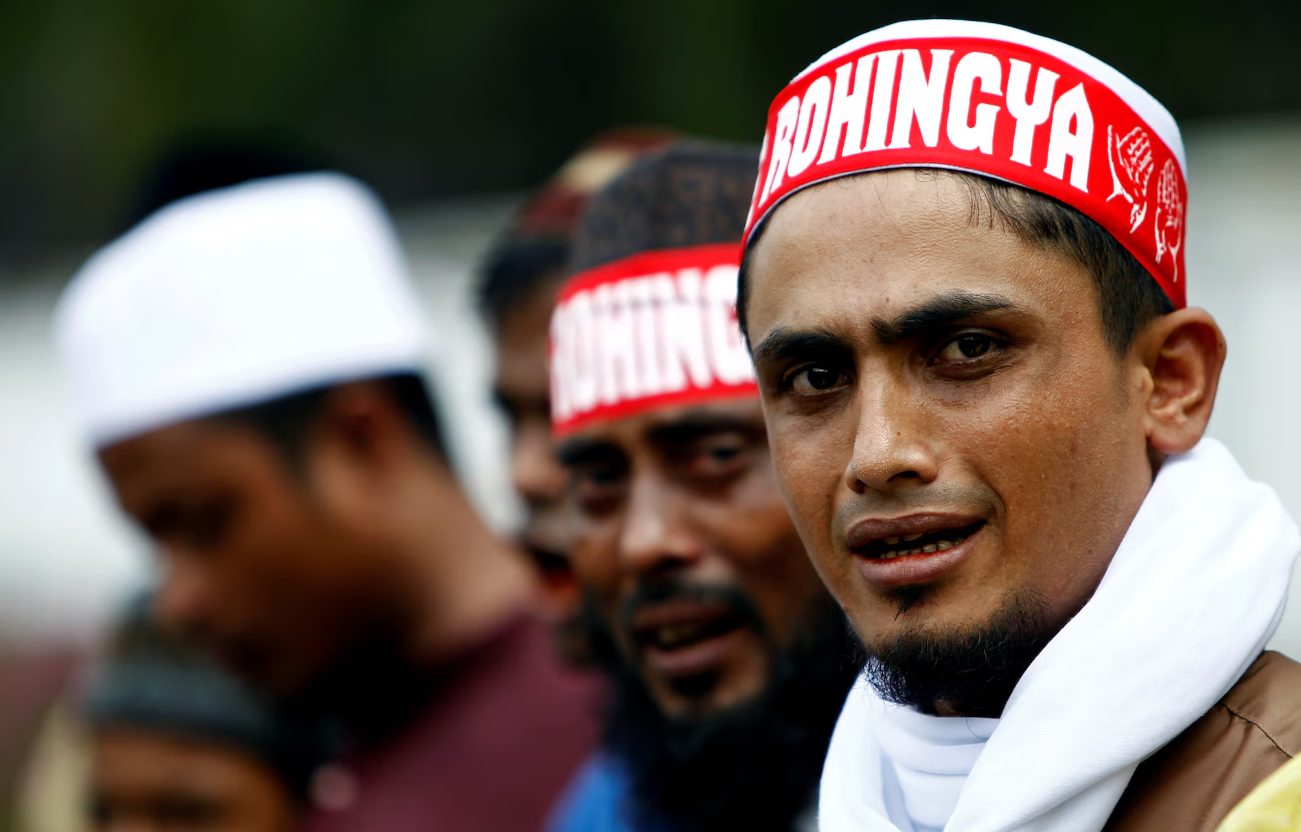
MALAYSIA did not create the Rohingya crisis. The roots of the issue lie in decades of conflict, persecution and statelessness in Myanmar. Yet Malaysia increasingly bears the social, economic and administrative consequences of a crisis that originated beyond its borders.
This is why Malaysia must stop treating the issue as a temporary problem requiring short-term responses.
Regardless of what UNHCR, non-governmental organisations or other countries do, Malaysia needs a comprehensive national policy that safeguards national interests while upholding humanitarian principles.
At present, Malaysia has mechanisms to manage refugees while they are here, but it lacks a broader long-term strategy focused on reducing dependency, strengthening accountability and preparing for eventual repatriation, resettlement or other durable solutions.
Refugees who are granted temporary protection should be allowed to participate in the formal economy through regulated employment arrangements.
This would enable them to contribute economically while reducing the risks associated with informal employment, exploitation and undocumented work.
One option would be to establish designated employment programmes in sectors facing genuine labour shortages.
Participation should be subject to registration, monitoring and periodic review to ensure compliance with Malaysian laws and regulations.
Malaysia could also explore a savings mechanism whereby a portion of a refugee’s earnings is placed in a protected account and released upon legal relocation, repatriation or third-country resettlement.
Such an approach could encourage financial self-sufficiency while supporting eventual transition out of Malaysia.
Public concerns about contribution and responsibility should also be addressed. Refugees who are able to work could be encouraged to participate in community-based programmes such as environmental clean-ups, flood mitigation efforts and public facility maintenance.
Such initiatives can help foster greater engagement with local communities while reinforcing the principle that protection carries responsibilities alongside rights.
Financing arrangements must also evolve. The costs associated with refugee management should not fall solely on Malaysian taxpayers.
International organisations, donor countries and humanitarian partners should play a greater role in sharing the financial burden, particularly when refugee populations remain in host countries for extended periods without meaningful progress towards repatriation or resettlement.
At the same time, Malaysia should strengthen its registration and verification systems to improve oversight and planning.
Regular updates on household composition, births, deaths and changes of residence would improve data accuracy and help policymakers make informed decisions.
Clear distinctions must also be maintained between refugees, asylum seekers, undocumented migrants and victims of trafficking. Effective policy depends on accurate classification, robust documentation and consistent enforcement.
Regionally, Malaysia should continue advocating for greater burden-sharing within ASEAN.
Host countries should not be expected to shoulder the responsibility alone. ASEAN member states can contribute through financial support, technical cooperation and coordinated efforts to address the root causes of displacement.
More importantly, ASEAN should use its collective diplomatic influence to encourage meaningful progress in Myanmar, including measures that would allow displaced Rohingya communities to return safely and voluntarily when conditions permit.
Ultimately, Malaysia does not need to choose between humanity and national interest. Both objectives can be pursued simultaneously through a clear, transparent and sustainable policy framework.
A long-term refugee policy should rest on four principles: temporary protection, economic contribution, accountability and eventual durable solutions. Malaysia can remain compassionate without becoming the permanent destination for a crisis it did not create.
The longer the country relies on ad hoc measures, the more difficult the challenge will become.
What is needed now is not another temporary response, but a coherent national strategy that provides certainty for refugees, clarity for policymakers and confidence for the Malaysian public. ‒ June 19, 2026
Ashraff Hussni is a Focus Malaysia viewer.
The views expressed are solely of the author and do not necessarily reflect those of Focus Malaysia.
Main image: Reuters