
WANITA MCA Selangor chairperson Tee Hooi Ling has called on the Selangor government to clarify a planning guideline requiring shopping malls to separate organic waste into “halal” and “non-halal” categories, saying the policy has raised questions among both the public and industry stakeholders.
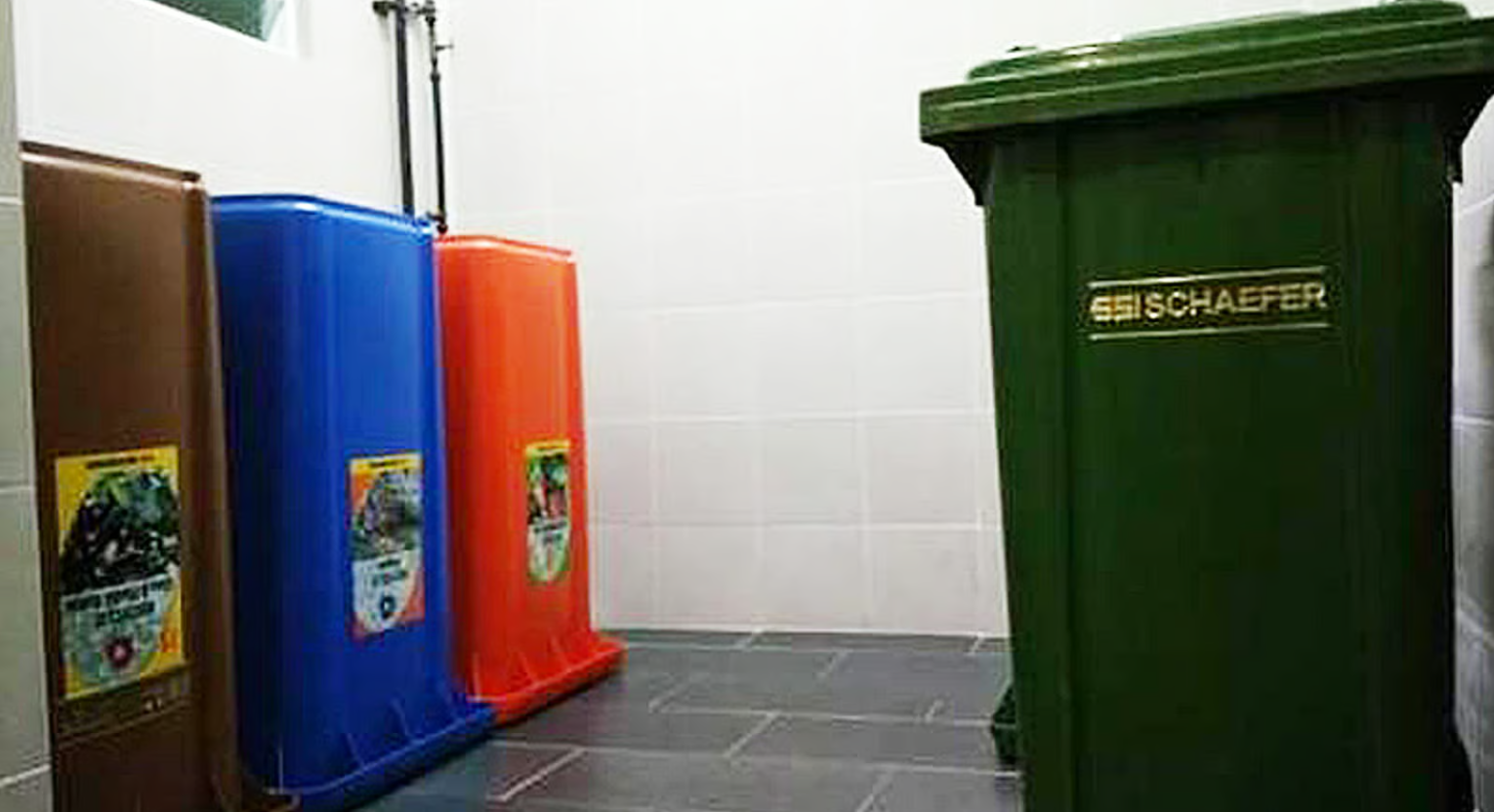
The issue stems from the Selangor State Planning Guidelines and Standards for Commercial Development 2025, which reportedly require waste collection areas in shopping malls to provide separate sections for halal organic waste, non-halal organic waste and recyclable materials.
The guideline has attracted public attention in recent days, with several lawmakers from the ruling coalition also reportedly seeking clarification on the rationale behind the requirement.
In a statement, Tee questioned the purpose and implementation of the policy, arguing that waste management should primarily be guided by environmental sustainability, recycling efficiency and public health considerations.
“What is the actual purpose of this policy? How are ‘halal’ and ‘non-halal’ waste to be defined, and how will such classifications be managed after collection?” she asked.
She also questioned whether shopping mall operators, waste management companies and other industry stakeholders had been consulted before the guideline was introduced.
Tee further raised concerns over the potential costs associated with implementing separate waste collection systems and whether such costs could eventually be passed on to consumers.
She said the state government should provide a clear explanation of the policy’s objectives and operational requirements to avoid confusion among businesses and the public.
The MCA leader also urged the Selangor government to focus on issues that directly affect residents, including flash floods, traffic congestion, waste management efficiency, ageing infrastructure and rising living costs.
According to Tee, planning guidelines that involve socially sensitive matters or impose additional compliance requirements should undergo thorough review and consultation before implementation.
She noted that the controversy follows earlier debates surrounding planning guidelines involving non-Muslim places of worship, adding that policymakers should be mindful of public concerns when introducing new regulations.
“The state government should disclose the basis and justification for the policy and conduct a comprehensive review of planning guidelines that have a direct impact on businesses and the public,” she stressed.
Tee added that residents expected the government to prioritise bread-and-butter issues and practical solutions to everyday challenges.
In response to the latest controversy, Selangor local government committee chairman Datuk Ng Suee Lim said the policy on halal and non-halal waste separation in Selangor is not new and has been implemented for over a decade.
He said on Sunday (June 21) that the provision refers to waste collection areas at supermarkets and hypermarkets, not the public garbage bins used by the people and that the practice has been implemented in relevant premises without causing issues to the respective operations or the people.
Ng, however, said the provision in the latest guideline has caused misinterpretation, confusion and questions related to the implementation on the ground.
He said the state would review several aspects of the implementation to ensure a more practical, clear and in line with current needs. ‒ June 23, 2026
Main image: Free Malaysia Today