
WANITA MCA has welcomed proposed amendments to the Sexual Offences Against Children Act 2017 (Act 792), describing them as a significant step towards strengthening Malaysia’s child protection framework while stressing that effective enforcement will be key to ensuring the law achieves its intended purpose.
The proposed amendments seek to expand the Act’s reach beyond Malaysian citizens to include permanent residents and individuals habitually residing in Malaysia.
They would also extend protection to Malaysian citizens, permanent residents and habitual residents who become victims of child sexual offences abroad, allowing such offences to be treated as if they were committed within Malaysia.
Wanita MCA secretary-general Chan Quin Er said the amendments address longstanding jurisdictional gaps that have enabled offenders to evade accountability by exploiting international borders.
“Jurisdictional loopholes have allowed offenders to escape prosecution simply by crossing borders. Closing these gaps is a necessary and welcome step in strengthening child protection,” she remarked.
However, Chan cautioned that legislative changes alone would not be sufficient without corresponding improvements to enforcement mechanisms and institutional capacity.
She said one key challenge involved the principle of dual criminality, where prosecution could become difficult if the offence in question is not recognised as a crime in the country where it was committed.
“Malaysia must develop clear legal mechanisms and strengthen international agreements to ensure these cases do not fall through the cracks,” she said.
Chan also highlighted the growing complexity of child sexual exploitation, noting that offences increasingly involve digital platforms, livestreamed abuse and AI-generated child sexual abuse material.
She said effective implementation would require stronger international cooperation, faster intelligence sharing, structured cross-border investigation protocols and personnel equipped with specialised cybercrime expertise.
At the domestic level, she called for stronger coordination among enforcement agencies and ministries, including clear leadership structures and adequate funding to support Malaysia’s expanded child protection responsibilities.
“Laws do not enforce themselves. The government must ensure the necessary resources, coordination and institutional support are in place,” she stressed.
Chan also urged policymakers not to overlook vulnerable children within Malaysia, particularly stateless, undocumented and refugee children who may remain outside existing legal protections.
“Expanding protection beyond our borders is important, but vulnerabilities affecting children within Malaysia must also be addressed,” she noted.
She added that legislation should be supported by a broader child protection ecosystem, including accessible reporting channels, survivor support services, public awareness initiatives and age-appropriate education programmes that help children recognise and report abuse.
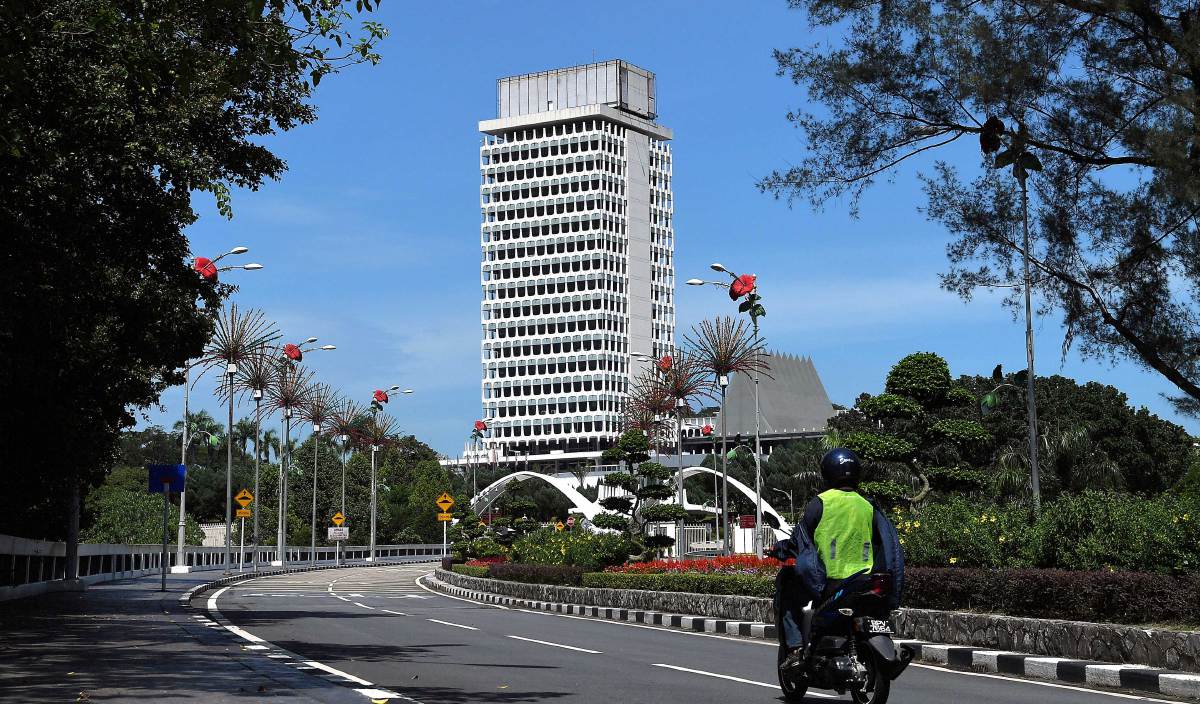
“Parliament should pass these amendments, but passing the law is only the first step. The real test will be whether the enforcement framework, resources and support systems are strong enough to protect children in practice,” she said. ‒ June 25, 2026
Main image: Harian Metro