
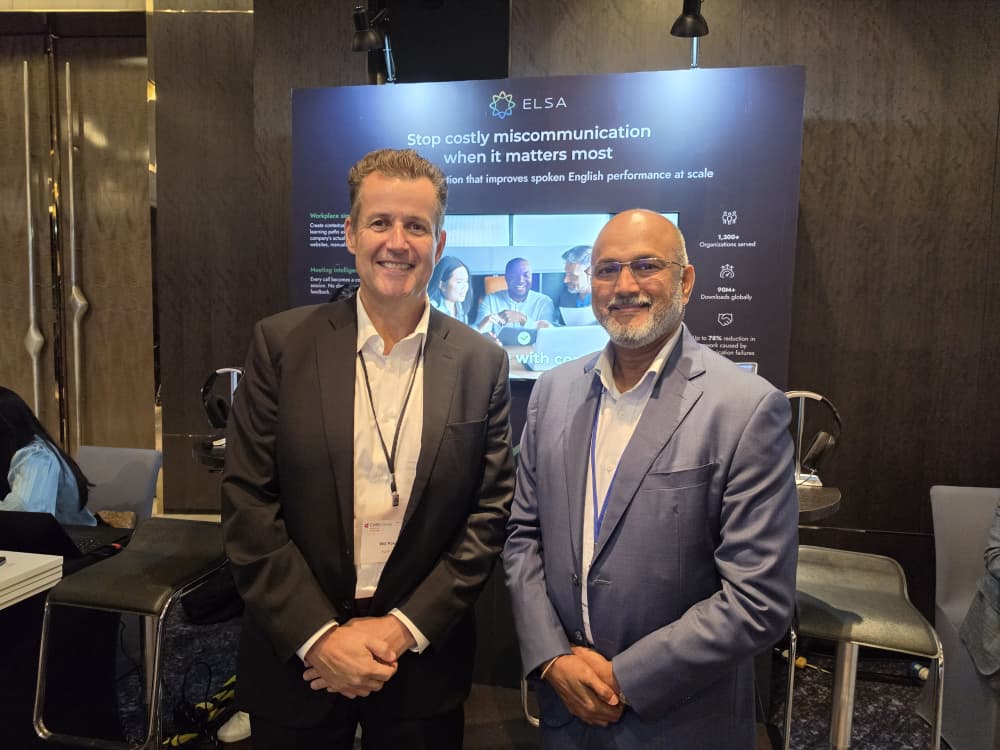
ELSA, the AI (artificial intelligence)-powered English communication solution with more than 90 million users globally, has made its Malaysian debut as organisations look beyond English proficiency to workplace communication performance.
San Francisco-based ELSA Corp which developed the platform said Malaysia is not a market with a language problem. The challenge lies in communication performance rather than language ability.
This sets Malaysia apart from regional markets such as Vietnam and Indonesia where organisations typically address English as a foundational language gap.
In Malaysia, employees already speak English but continue to struggle in high-pressure situations such as client presentations, negotiations and cross-border meetings.
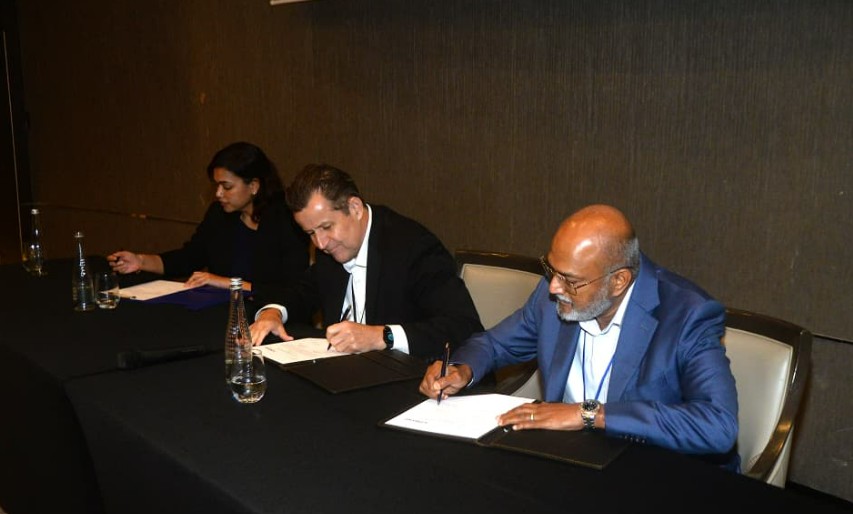
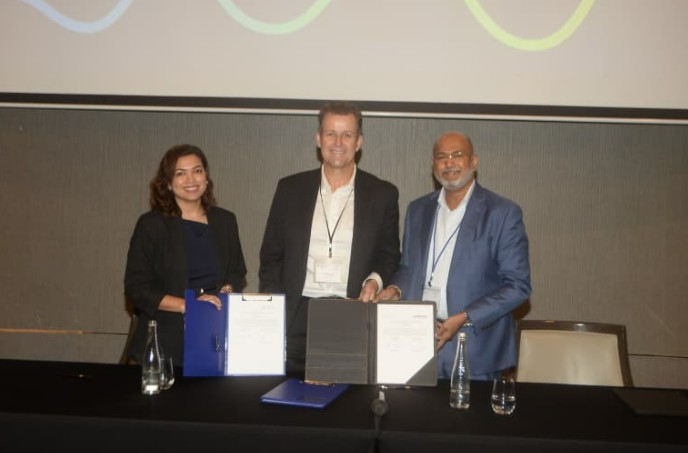
To address this, ELSA Corp has appointed K Pintar Sdn Bhd and CedarTech Training Sdn Bhd as its authorised partners in Malaysia, one of a handful of markets where the company operates through local partners rather than direct access.
The platform tailors the learning experience to each user, according to ELSA’S vice-president (revenue) Will Polese.
“The platform assesses each user’s native language and proficiency level before generating a personalised learning path. Users select an AI coach by gender and preferred accent – either American or British – with daily recommended sessions of approximately 15 minutes,” he revealed.
“Feedback on the platform goes down to the finest detail. A mispronounced sound is flagged immediately and the correct articulation is demonstrated.”
All learning content is aligned to TOEFL (Test of English as a Foreign Language), IELTS (International English Language Testing System) and Cambridge English standards.
Bridging communication gap
Organisations can also upload internal training materials onto the platform which converts them into e-learning modules.
These are supplemented by more than 8,000 industry-specific content modules covering aviation, hospitality, healthcare, manufacturing, TVET (technical and vocational education and training) education, financial services and many more industries.
ELSA Corp said the aviation sector illustrates the platform’s industry depth. Terminology for pilots, cabin crew and ground staff is already embedded in the system.
The company has since held discussions with aviation industry players on potential deployment. Singapore Airlines is among regional carriers that have already adopted the platform.
“Overall, in every sector, the goal is not just accurate English. It is the confidence to own every conversation,” quipped Polese.
Organisations using ELSA have reported up to a 78% reduction in re-work caused by communication failures with return on investment averaging around 400%.
An International Data Corp study commissioned by ELSA Corp found that 86% of organisations in the region reported increased revenue after adopting the platform.
Currently, ELSA Corp works with more than 1,300 organisations globally with deployments across Singapore, Indonesia, Vietnam and Thailand.
“Singapore serves as a relevant proof point for Malaysia. Both markets share high English proficiency levels and internationally connected business environment,” added Polese.
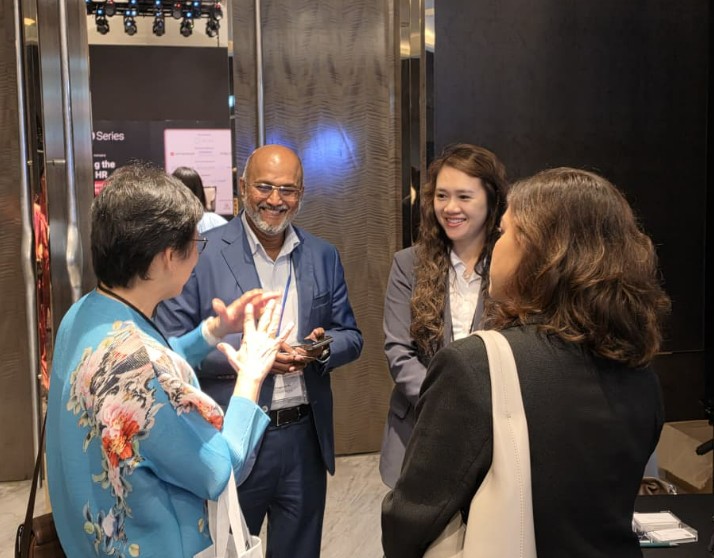
Meanwhile, K Pintar Sdn Bhd founder and CEO R.A. Thiagaraja said Malaysian organisations are losing ground not because their people cannot speak English but because they cannot perform in it when it counts.
“Every year, businesses here lose deals, lose clients and lose talent not because of a language gap but because of a performance gap,” he observed. “That’s exactly what we’re here to fix.”
As it is, the biggest hurdle remains convincing decision-makers that proficiency and performance are not the same thing.
“Organisations here are leaving money on the table every day because they mistake proficiency for performance,” he stressed. “Conventional language training carries completion rates of between 15% and 20% yet rarely moves the needle where it matters,”
The ELS platform operates on a subscription basis and is available on mobile and desktop devices. – June 25, 2026