
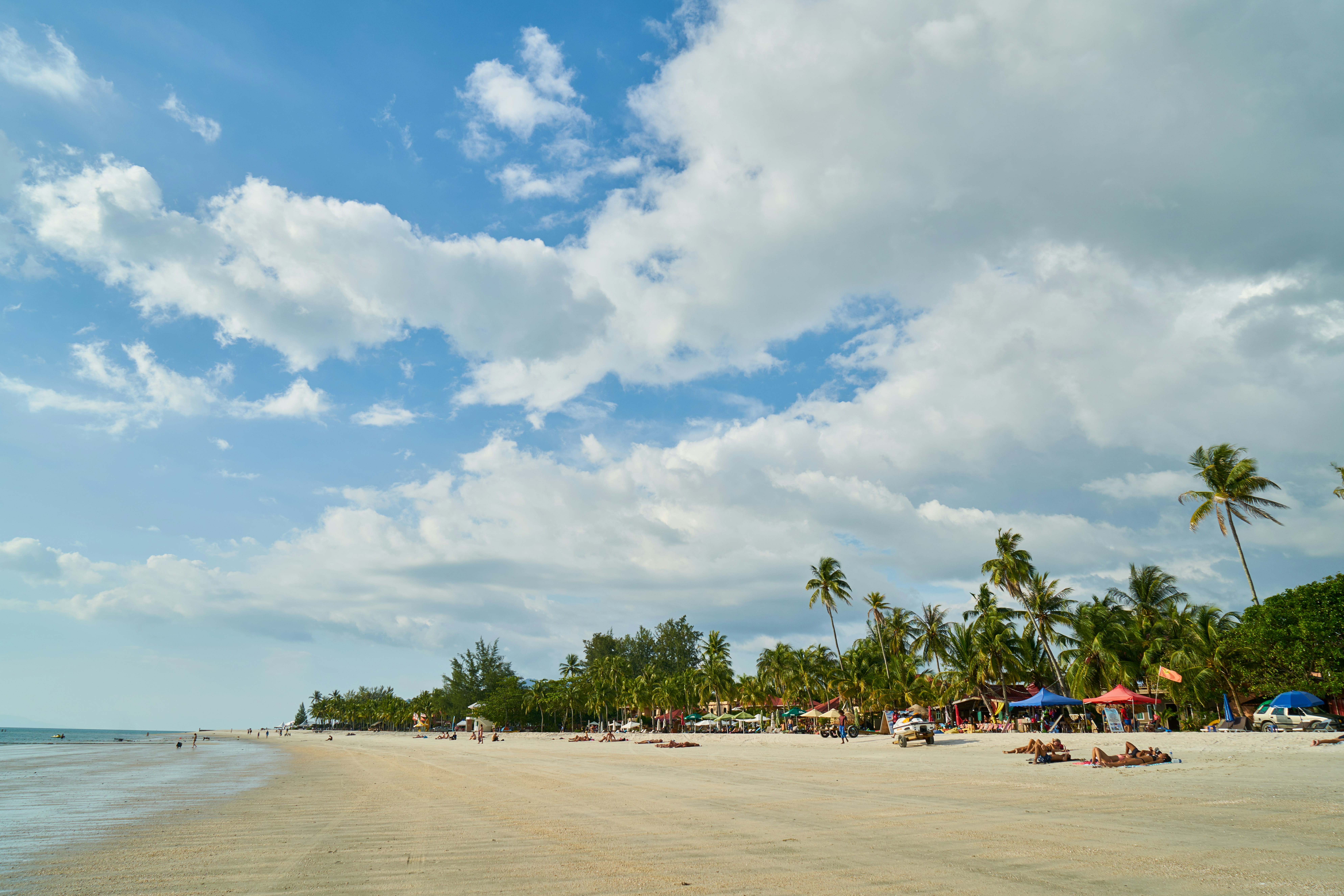
IN the 1990s and early 2000s, Langkawi was one of Malaysia’s greatest tourism success stories.
Massive investments in infrastructure, including a new airport terminal, marinas and golf courses, helped transform the “Island of Legends” into a premier destination that attracted millions of visitors each year.
Today, however, the picture is less encouraging. Visitor growth has slowed, hotel occupancy has softened and regional competitors such as Phuket, Bali and Da Nang have strengthened their positions.
Even domestic destinations such as Pulau Redang and Pulau Perhentian are increasingly attracting attention from travellers seeking distinctive experiences.
The question is simple: what went wrong?
The first problem is that Langkawi stopped evolving. While competing destinations continuously refreshed their tourism offerings, Langkawi remained heavily reliant on the same attractions that drove its success decades ago: beaches, duty-free shopping and scenic sightseeing.
Meanwhile, Phuket expanded into wellness tourism and luxury hospitality. Bali cultivated a thriving creative economy centred on culture, wellness and remote work. Langkawi, by comparison, struggled to define its next chapter.
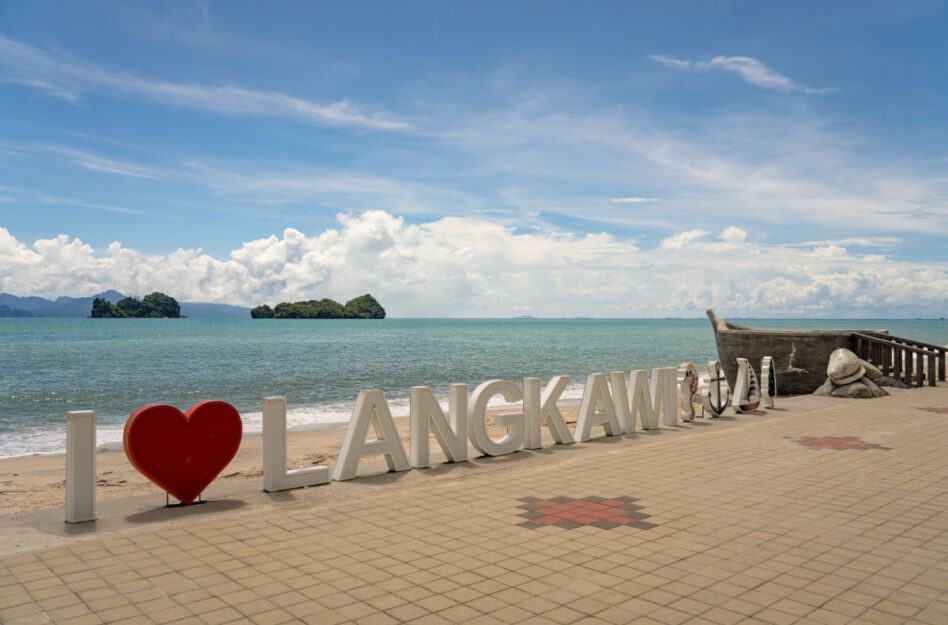
The island also became trapped between two markets. For years, it was promoted as an affordable luxury destination. While this attracted large visitor numbers, it also created an identity problem.
Langkawi was neither a budget backpacker destination nor an exclusive luxury retreat. As regional competitors upgraded their offerings, the island found itself caught in the middle.
A key policy mistake was the relentless pursuit of arrival numbers rather than visitor quality.
Subsidised flights, discounts and mass-market promotions succeeded in filling hotel rooms, but there was little focus on attracting higher-spending visitors such as corporate groups, long-stay retirees, wellness travellers or eco-tourists.
The island’s duty-free status, once a major draw, has also lost much of its appeal. Price advantages have narrowed over time, while retail offerings have remained largely unchanged.
Instead of evolving into a sophisticated shopping destination, many duty-free outlets now struggle to differentiate themselves from ordinary retail centres elsewhere.
Environmental management has been another area of concern. Langkawi’s UNESCO Global Geopark status should be one of its strongest competitive advantages.
Yet concerns over coastal development, waste management and environmental degradation have increasingly threatened the natural assets that made the island famous in the first place.
At the same time, visitors continue to encounter avoidable frustrations. Long airport queues, inconsistent transportation services, confusing signage, patchy internet connectivity and overcrowded attractions may seem like minor inconveniences individually, but collectively they affect the overall visitor experience.
The good news is that Langkawi’s decline is neither permanent nor irreversible.
The island still possesses extraordinary natural assets, unique geological heritage and a strategic location close to Thailand’s thriving tourism market. What is needed now is not another marketing campaign, but a clear shift in policy direction.
Langkawi should reposition itself as a world-class geotourism and sustainability destination.
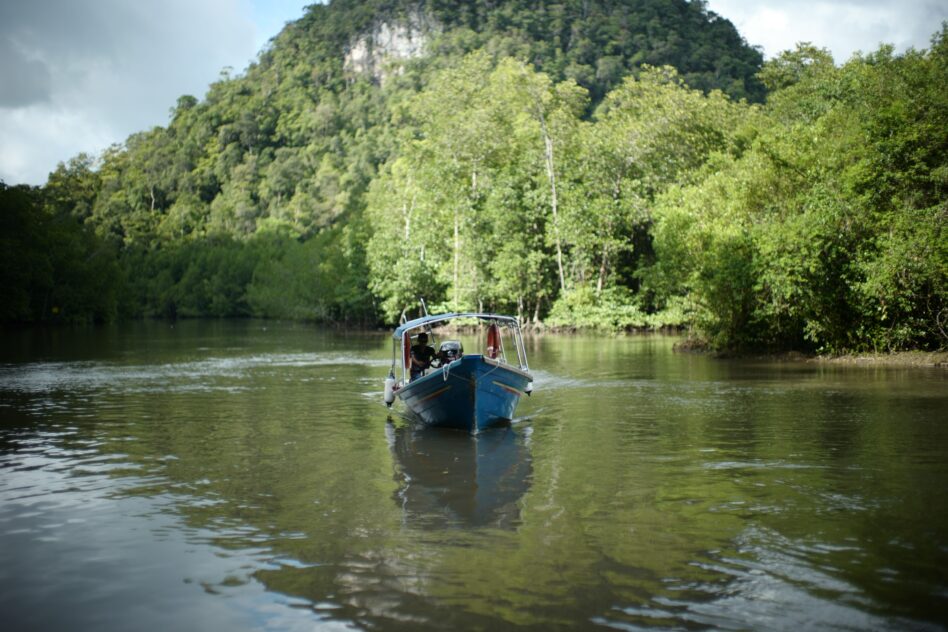
Its UNESCO status offers opportunities to develop guided geological trails, mangrove conservation programmes, citizen science initiatives, educational tourism and eco-adventures that cannot easily be replicated elsewhere.
Infrastructure improvements should also become a priority. Faster airport processing, better digital connectivity, improved public transport options and seamless cashless payment systems would significantly improve the visitor experience while supporting higher-value tourism.
Most importantly, policymakers must move away from measuring success purely by visitor numbers. The focus should instead be on attracting visitors who stay longer, spend more and contribute positively to the local economy and environment.
A quality-over-quantity approach would allow Langkawi to build a stronger tourism brand while protecting the very assets that attract visitors.
Langkawi did not lose its potential. It simply lost momentum.
The island’s breathtaking landscapes, rich legends and global recognition remain firmly intact. What is required now is the courage to move beyond outdated strategies and embrace a more sustainable, higher-value vision for tourism.
The wrong policies contributed to Langkawi’s decline. The right policies can restore its shine. The opportunity remains there. The question is whether we are prepared to seize it. ‒ July 2, 2026
The author is affiliated with the Tan Sri Omar Centre for STI Policy Studies at UCSI University and is an Adjunct Professor at the Ungku Aziz Centre for Development Studies, Universiti Malaya.
The views expressed are solely of the author and do not necessarily reflect those of Focus Malaysia.
Main image: Pexels/YSF Visuals