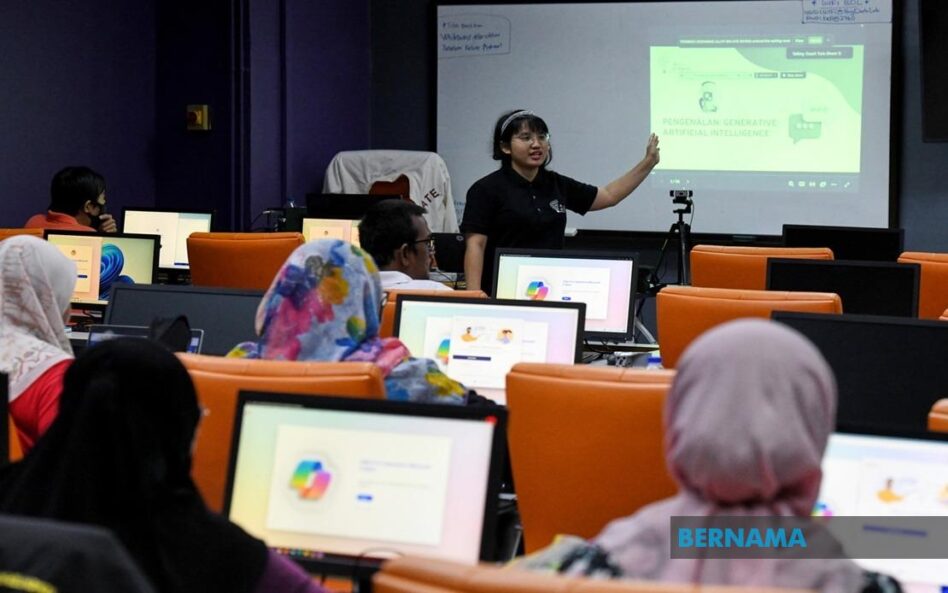

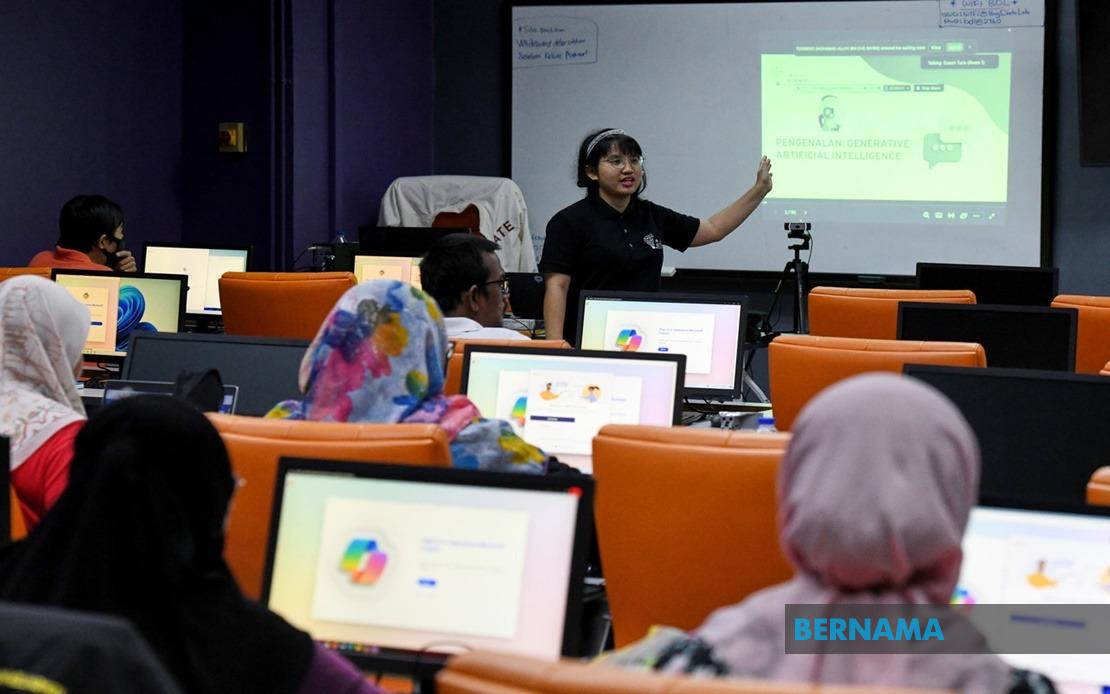
ARTIFICIAL intelligence is transforming the way we work, learn and live. From drafting reports and analysing data to writing computer code and assisting with medical diagnoses, AI is increasingly capable of performing tasks once associated with highly skilled professionals.
As these technologies become more widespread, Malaysia’s education system must prepare students not only for technological change but also for a future where distinctly human qualities become even more valuable.
For decades, educational success has been measured largely through examinations, grades and academic achievement.
While these remain important, employers today are increasingly seeking skills that machines cannot easily replicate, including communication, teamwork, adaptability, leadership and emotional intelligence.
Emotional intelligence refers to the ability to understand and manage one’s emotions while recognising and responding appropriately to the emotions of others. It influences how people collaborate, resolve conflicts, build trust and exercise leadership.
These skills are becoming increasingly important as workplaces become more diverse, interconnected and technology-driven.
Malaysia’s education system has traditionally emphasised academic performance, often leaving less room for the development of interpersonal and social skills.
As a result, some graduates enter the workforce with strong technical knowledge but struggle with communication, teamwork and problem-solving in real-world settings.
This challenge is particularly significant in a multicultural society such as Malaysia.
Our diversity is one of the country’s greatest strengths, but it also requires citizens who can appreciate different perspectives, communicate respectfully and work effectively across cultural, religious and social differences. Emotional intelligence plays an important role in fostering these qualities.
Developing emotional intelligence should therefore become a broader educational objective rather than a standalone subject.
Literature can help students understand different experiences and perspectives. History can encourage critical thinking and appreciation of complex social issues.
Sports and co-curricular activities can build resilience, teamwork and leadership. Community service can cultivate empathy and social responsibility.
Equally important is supporting teachers with the skills and resources needed to nurture these qualities.
Training in emotional coaching, conflict resolution and intercultural communication can help educators create learning environments that encourage both academic growth and personal development.
Parents also have an important role to play. Schools and families should work together to reinforce values such as empathy, respect, responsibility and constructive dialogue.
As AI becomes more integrated into everyday life, ethics education must also become part of the conversation.
Students should be encouraged to think critically about how technology is used and its broader impact on society. Understanding what technology can do is important, but understanding how it should be used is equally essential.
Employers have long highlighted concerns about graduates lacking communication skills, adaptability and teamwork despite possessing strong academic credentials.
Addressing these gaps requires a more balanced approach to education that values both intellectual and interpersonal development.
The rise of artificial intelligence does not diminish the importance of human skills. On the contrary, it makes them more important than ever.
Malaysia has spent decades building academic excellence. The next step is ensuring that students also develop the emotional intelligence, ethical awareness and interpersonal skills needed to thrive in an increasingly complex and technology-driven world.
In the age of AI, these human qualities may become our most valuable advantage. ‒ July 6, 2026
KT Maran is a Focus Malaysia viewer.
The views expressed are solely of the author and do not necessarily reflect those of Focus Malaysia.
Main image: Bernama