

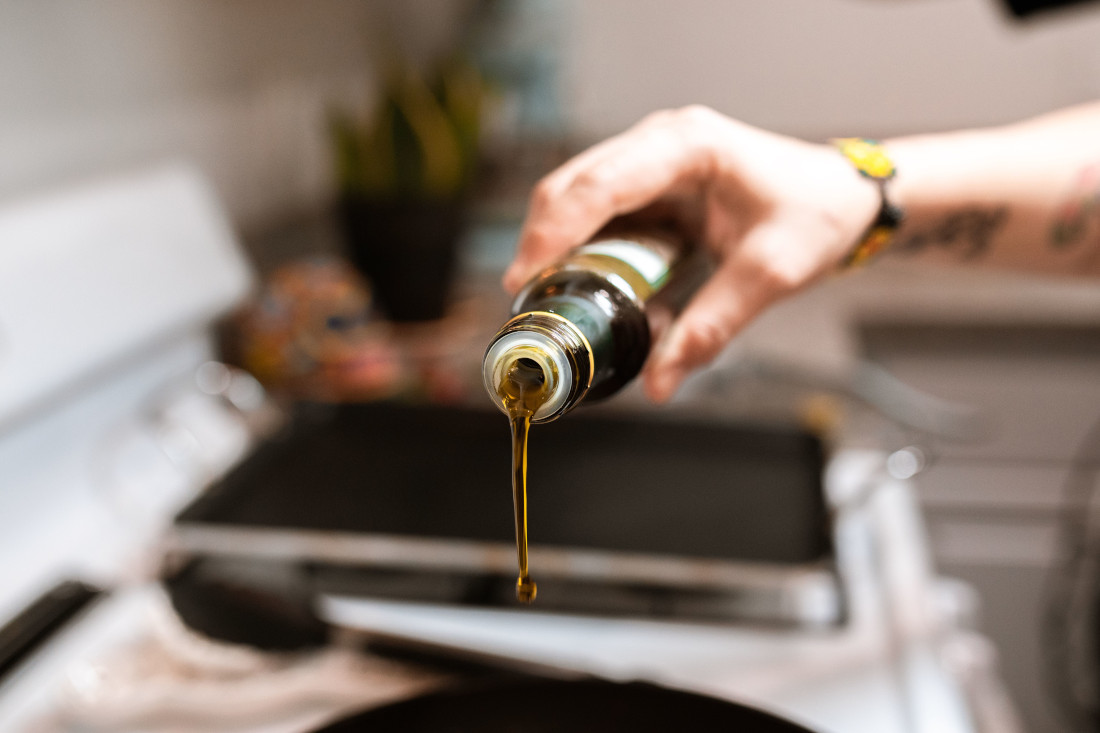
THE global edible oils market, worth hundreds of billions of dollars and still growing, is no longer a quiet commodity trade.
It has become a geopolitical chessboard, an environmental battleground and a test of which agribusiness giants can outmanoeuvre one another as the world’s appetite for cooking oil continues to grow.
Demand is rising, driven by population growth in Asia and Africa, expanding middle-class consumption and the reality that vegetable oils are now embedded in everything from fried chicken to biodiesel.
By 2030, many forecasts suggest demand could outstrip supply by millions of metric tonnes. So how are palm, soybean, canola, sunflower and emerging niche oils competing for market share? More importantly, what will determine the winner?
Palm oil remains the undisputed king. Nearly 60% of globally traded vegetable oil comes from oil palm, and for good reason. It is remarkably efficient, yielding three to four tonnes of oil per hectare compared with soybean’s 0.4 tonnes.
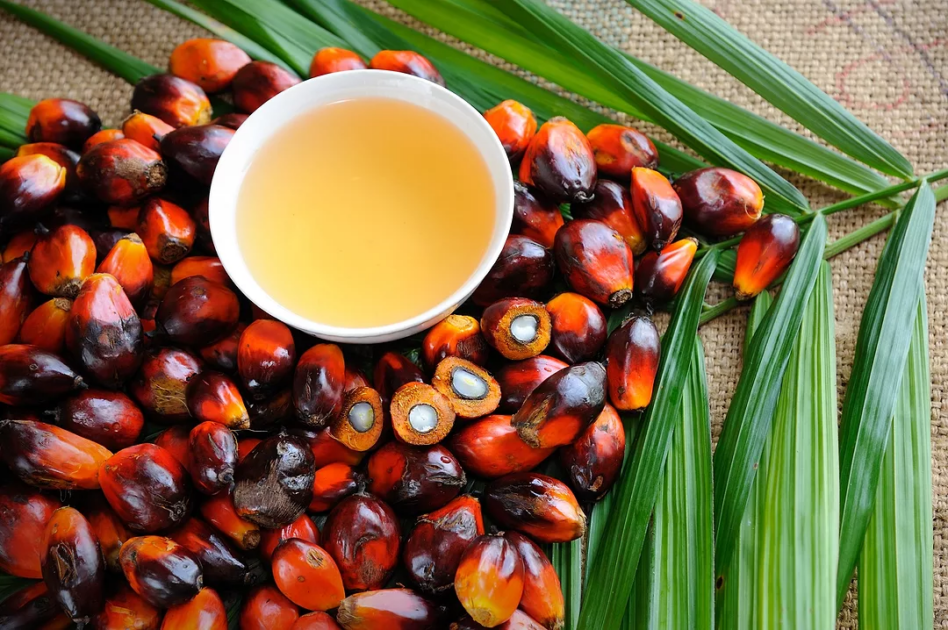
That productivity keeps prices low, making palm oil the preferred choice for processed foods, cosmetics and increasingly, biofuels.
Soybean oil ranks second, but its competitive advantage is unique. It is essentially a co-product of soybean meal production. Every tonne of soybean meal protein yields about 180kg of oil.
As global demand for meat rises, soybean crushing expands almost automatically, flooding the market with oil whether demand exists or not. This makes soybean oil an inevitable competitor, particularly in the Americas and China.
Yet soybean oil has its own challenges. Vast monoculture plantations in Brazil, Argentina and the United States (US) have made soy a symbol of deforestation, soil degradation and heavy pesticide use.
Unlike palm oil, soybean oil also requires hydrogenation for greater shelf stability, a process historically associated with trans fats.
Although high-oleic genetically modified varieties have addressed much of this concern, soybean oil’s long-term growth may depend as much on demand for animal feed as on cooking oil itself.
For now, however, it remains the preferred biodiesel feedstock in the US under renewable fuel policies.
Sunflower oil briefly became a geopolitical casualty when Russia invaded Ukraine in 2022. Almost half of global sunflower oil exports were disrupted, sending prices soaring and forcing major importers such as India to seek alternative supplies. The crisis also elevated Turkey’s role as an important supplier.
Premium oils such as olive and avocado continue to gain popularity among affluent, health-conscious consumers, but they will never feed the masses.
Olive oil’s recent price surge, driven by severe droughts in Spain and Italy, illustrates how vulnerable these premium products are to climate shocks.
Coconut oil, once hailed as a health food, has also lost momentum amid continuing debate over saturated fat. These niche oils compete on wellness and branding rather than volume, leaving the real contest to palm, soybean and sunflower.
Beyond yields and prices, government policy increasingly shapes the market. The European Union is phasing out food-based biofuels under its Renewable Energy Directive, while Indonesia continues expanding its palm-based biodiesel programme from B40 towards B50.
The US periodically adjusts soybean biodiesel mandates. Each policy shift diverts millions of tonnes of edible oil from kitchens to fuel tanks, influencing prices and global trade flows.
Consumers increasingly demand sustainable products, but many remain unwilling to pay higher prices. Certified sustainable palm oil costs more to produce, yet premiums remain limited.
Meanwhile, tighter European regulations are pushing Southeast Asian producers to expand into Africa and the Middle East, creating a more fragmented global market rather than a level playing field.
Climate change is adding another layer of uncertainty. Palm depends on consistent rainfall, soybean on predictable growing seasons, while sunflower and olive are particularly vulnerable to prolonged heatwaves.
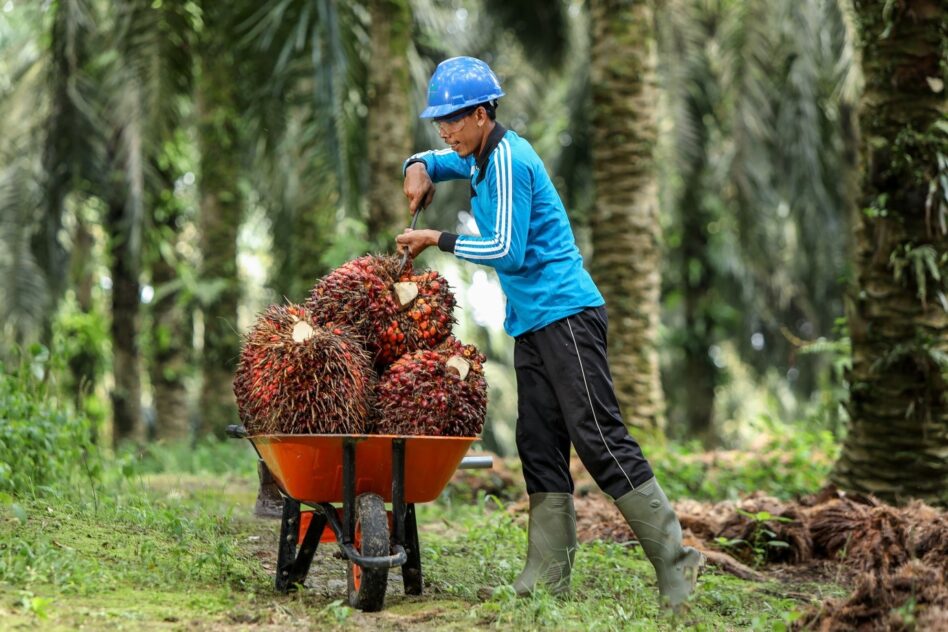
As El Niño and La Niña events become more intense, production swings are becoming more frequent. The competition is increasingly about resilience as much as productivity.
Consumer perceptions continue to evolve as well. For decades, saturated fats such as palm and coconut were widely criticised before attention shifted towards polyunsaturated oils such as soybean and sunflower, and later to monounsaturated oils such as canola and olive.
The next major shift, driven by growing scepticism towards ultra-processed foods, could reshape demand once again by favouring cold-pressed and minimally processed oils.
The reality is that the world cannot satisfy its growing demand for edible oil without palm oil. Its productivity remains unmatched.
Yet the industry’s reluctance to embrace greater transparency, whether through blockchain traceability, stronger certification or better inclusion of smallholders, continues to fuel concerns over deforestation and sustainability.
Soybean oil will continue to grow alongside rising global demand for animal protein. Sunflower oil will remain an important regional player but is unlikely to provide the scale or resilience needed to dominate global markets.
Ultimately, the real contest is not between palm, soybean and sunflower. It is between sustainability and short-term profit.
The battle for the world’s kitchen is about far more than market share. It is about whether we can feed eight billion people without cooking the planet. ‒ July 30, 2026
The author is affiliated with the Tan Sri Omar Centre for STI Policy Studies at UCSI University and is an Adjunct Professor at the Ungku Aziz Centre for Development Studies, Universiti Malaya.
The views expressed are solely of the author and do not necessarily reflect those of Focus Malaysia.
Main image: Pexels/RDNE