
THE world is shifting. For a long time, the global script was mostly written in the West – liberal democracy, human rights, the “rules-based order” — and most international events were read through that lens.
That era is fading as the Global South is rising, new power centres are emerging, and more countries are deciding they want to steer their own ships.
Whether we fully agree with this new direction or not, one thing is clear: no single bloc gets to dictate the global narrative anymore. Countries are now looking at crises through their own national interests, even as they still wrestle with universal principles like sovereignty and humanitarian law.
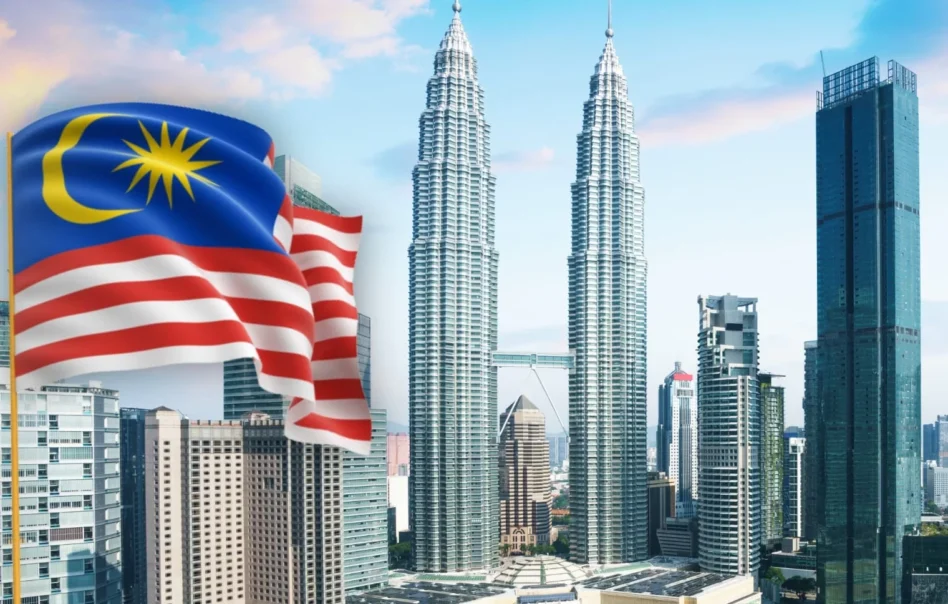
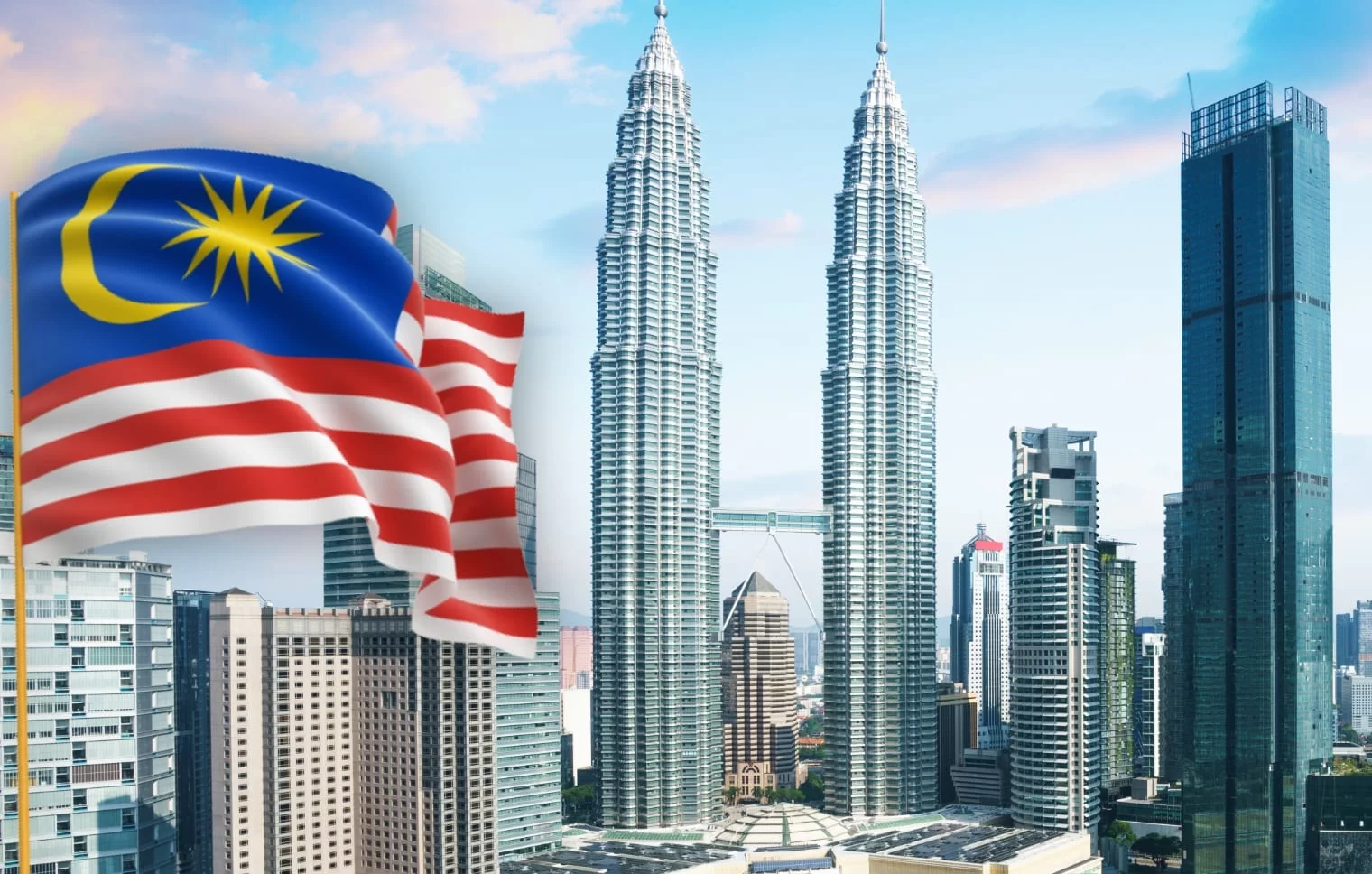
This is where Malaysia comes in. We have a real chance here, not just to watch, but to step up and be heard.
We’ve never been a military giant, and that’s okay. History proves that influence isn’t just about guns or gross domestic product. It’s about credibility. It’s about being consistent, diplomatic, and able to bring people together. Malaysia has quietly built that reputation for decades — friendly with major powers, yet never losing its own voice on the world stage.
We’re also in a unique spot, between East and West, the developed and developing worlds, the Islamic community and the broader global audience. That’s not just a nice tagline – it’s a strategic advantage, and very few countries can claim it.
Influence can’t be built on speeches alone. No one is going to take us seriously on the global stage if we’re dealing with corruption at home, shaky institutions, a struggling education system, or constant political drama.
Soft power has to start at home – that starts with getting our own house in order. That means doubling down on good governance, judicial independence, real innovation, economic competitiveness, and a society that’s united. These aren’t just “domestic issues”.
They’re the backbone of our foreign policy. When a country’s institutions are admired, its voice carries weight.
Malaysia can’t shape global discourse alone — but a united ASEAN, speaking clearly on regional security, maritime affairs, digital governance, and climate change, could become a pillar of the emerging order. Malaysia should invest more in making that collective voice carry further.
We can’t forget ASEAN as we alone, none of us can truly shape global discourse. But a united ASEAN, speaking strongly on regional security, maritime issues, digital governance, and climate change can become a cornerstone of the regional and global diplomacy.
Malaysia needs to invest more in making that collective voice louder and clearer.
Intellectual capital matters too. Influence today is built not only in government offices but also in universities, think tanks, media, and digital platforms. If we want to be taken seriously, we need to invest in research, policy scholarship, and public diplomacy. Ideas are currency now, and we need more of ours in circulation.
Consistency in supporting international law matters as much as the principle itself: credibility comes from applying the same standards to everyone, even when it’s inconvenient. People trust you when you’re principled, not just when you’re convenient.
Looking ahead, the countries that win tomorrow won’t just be the ones with the biggest aircraft carriers or economies. They’ll be the ones that people trust, the ones that can bring rivals to the table, facilitate dialogue, and offer real, practical solutions to global problems. Climate change, AI, cyber threats, food security, and health crises demand cooperation, not confrontation.
Malaysia’s greatest contribution may be showing that moderation, dialogue, and multilateralism still work in an increasingly divided world — championing inclusive diplomacy that balances national interest with global responsibility, rather than getting drawn into great-power rivalry.
This new landscape holds real uncertainty, but real opportunity too. Instead of just reacting to narratives others create, we should help shape them. Our voice may not be the loudest, but if it’s principled, consistent, and backed by real action, it can become one of the most respected.
In a world that’s desperate for trusted partners rather than dominant powers, Malaysia has every opportunity to become a nation whose influence far outpaces its size. The real question is whether we have the vision, the confidence, and the unity to seize it? — Aug 1, 2026
KT Maran is a Focus Malaysia viewer.
The views expressed are solely of the author and do not necessarily reflect those of Focus Malaysia.