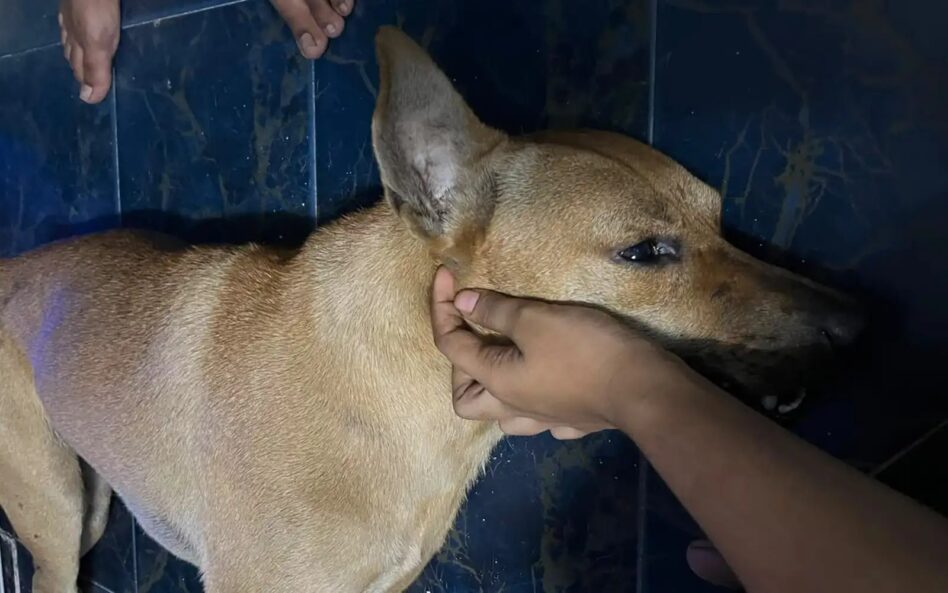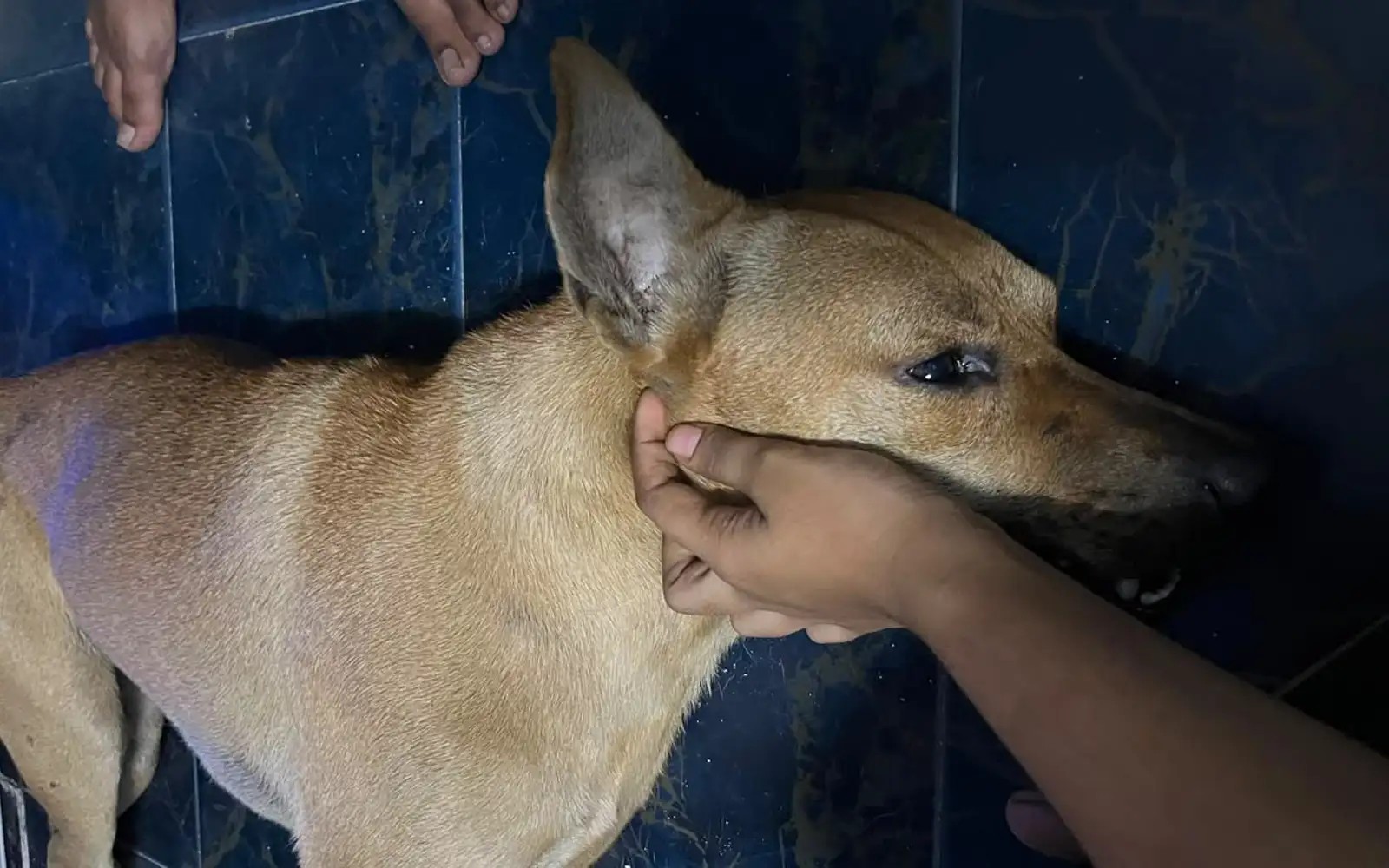
THE death of Rocky in Port Klang should disturb us. Not simply because a dog died, or because questions remain about the circumstances of his death, but because it forces us to confront a larger question: what does the way we treat the most vulnerable among us say about who we are?
The reported circumstances of Rocky’s death have rightly prompted calls for investigation, accountability and stronger enforcement of Malaysia’s animal welfare laws.
Those calls are necessary. But perhaps we also need to ask why, in 2026, our response to stray animals still so often centres on capture, removal and, in some cases, killing.
There are more humane and sustainable ways to manage stray populations.
Penang offers one example. Since 2018, the Penang Island City Council has worked with animal welfare organisations to implement a Trap-Neuter-Return (TNR) programme.
As of May this year, 8,484 dogs had been neutered under the programme, while the council has maintained a zero-kill policy. The aim is not simply to move the problem elsewhere, but to tackle its root cause: uncontrolled breeding.
This is not merely an animal lover’s sentimental preference. International veterinary guidance increasingly recognises that dog population management should be humane, comprehensive and sustainable.
The World Organisation for Animal Health (WOAH) identifies responsible ownership, vaccination and reproduction control as key elements of effective dog population management, while noting that mass culling is ineffective and may even be counterproductive.
None of this means ignoring genuine public health or safety concerns. Stray animals can pose risks, and local authorities have a responsibility to protect communities from dangerous animals, disease and uncontrolled populations.
But protecting people does not require abandoning compassion for animals. Humane population management and public safety are not mutually exclusive nor should we pretend the problem begins with the animals themselves.
Stray populations are, to a large extent, created by people. Animals are abandoned. Pets are allowed to breed unchecked. Owners fail to sterilise, vaccinate or properly contain them.
Communities sometimes feed stray animals without accompanying population management efforts. When the numbers eventually become difficult to manage, the animals are blamed for a problem that humans helped create.
There is, however, something even deeper at stake.
It is tempting to think that animal welfare is primarily about laws, penalties and enforcement. These things matter.
Malaysia already has the Animal Welfare Act 2015, and where necessary, it can be strengthened. Better enforcement and clearer procedures are equally important.
But no law can manufacture compassion.
At its heart, this is a question of conscience. How we treat those who are weaker than us, dependent on us and unable to speak for themselves reflects the kind of society we choose to be.
It is easy to show kindness to those who can return it. The real test lies in how we treat those who cannot.
If we become comfortable with cruelty simply because its victims are powerless, we risk becoming indifferent to suffering itself.
Once compassion begins to erode, it becomes easier to justify neglect, overlook pain or convince ourselves that certain lives matter less than others.
That is why animal welfare deserves to be more than a legal discussion. It asks us to reflect on our own capacity for empathy, compassion and humanity.
Rocky’s death should not become just another passing news story.
We should investigate what happened and hold accountable anyone who acted unlawfully or cruelly.
We should continue improving our animal welfare laws and reforming the way stray populations are managed. We should also learn from approaches such as TNR that seek lasting solutions without unnecessary suffering.
Above all, however, we need to recover something that legislation alone cannot provide: our conscience.
The measure of a society is not simply how efficiently it deals with what it considers a problem. It is how much humanity it retains while doing so.
Perhaps it is time we stopped asking only what we are legally permitted to do to animals, and started asking what our humanity requires of us.
That may be the truest measure of our own humanity. ‒ Aug 5, 2026
The author is a Senior Lecturer at the Faculty of Law, Universiti Malaya.
The views expressed are solely of the author and do not necessarily reflect those of Focus Malaysia.
Main image: FMT