
THE Court of Appeal has allowed Cuckoo International (MAL) Bhd’s appeal in a dispute over passive income payments, ruling that entitlement under its contractor scheme must be determined by the parties’ contractual agreements rather than broader legal or constitutional considerations.
A three-member bench comprising Datuk Seri Mohd Firuz Jaffril, Datuk Ismail Brahim and Dean Wayne Daly allowed the appeal in part and ordered Starmax Century Sdn Bhd and its sole director, Wong Tze Ming, to pay RM20,000 in costs.
The appellate court also set aside the High Court’s order requiring Cuckoo to render accounts for passive income claimed from March 2020 onwards.
In its judgment, the Court of Appeal held that the respondents’ entitlement to commissions and passive income was fundamentally a contractual matter governed by the contractor-agent agreements.
The court rejected the High Court’s approach of considering broader issues such as natural justice, unequal bargaining power, public policy and the constitutional right to livelihood, ruling instead that any entitlement must arise from the terms agreed between the parties.
The dispute stemmed from an internal investigation by Cuckoo, which uncovered irregular sales involving phantom accounts and transfers of sales within its contractor-agent network.
According to the company, Wong admitted to the misconduct and subsequently entered into a settlement agreement under which he paid RM535,313.80 in full and final settlement of the losses identified at the time.
Starmax and Wong later filed suit against Cuckoo, seeking, among other reliefs, repayment of the settlement sum, unpaid commissions and passive income.
Cuckoo denied the claims and counterclaimed for additional commissions and incentives it alleged had been wrongfully obtained.
Following a 14-day trial, the High Court dismissed the respondents’ claim to recover the RM535,313.80 settlement payment and also dismissed Cuckoo’s counterclaim.
It further ordered the company to refund RM1,000 in commission, pay Wong RM57,520.03 in February 2020 commissions and render accounts for passive income from March 2020 onwards.
In allowing Cuckoo’s appeal on the passive income issue, the Court of Appeal found that although the respondents had not physically signed the contractor-agent agreements, they had accepted and were bound by them through Cuckoo’s electronic contracting process and their subsequent conduct, including accepting commissions and other benefits under those agreements.
The court held that the respondents could not rely on the agreements to claim commissions and passive income while simultaneously disputing their validity and enforceability.
It further ruled that the High Court had erred by relying on issues that were neither pleaded nor argued by the parties, emphasising that courts must determine disputes based on the parties’ pleaded cases and cannot rewrite contractual terms.
The decision reinforces the principle that rights arising from commission-based and agency arrangements are governed by the terms of the relevant contracts rather than broader considerations outside the scope of the parties’ pleadings.
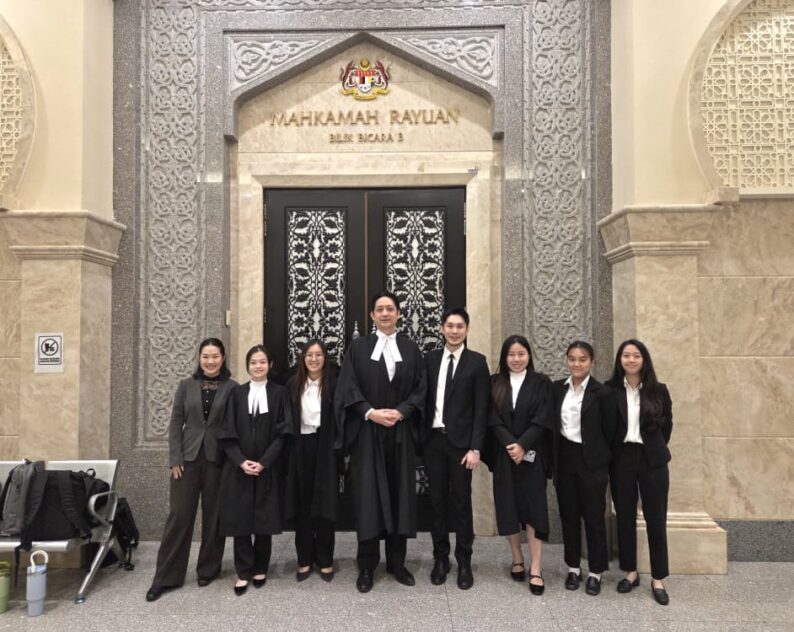
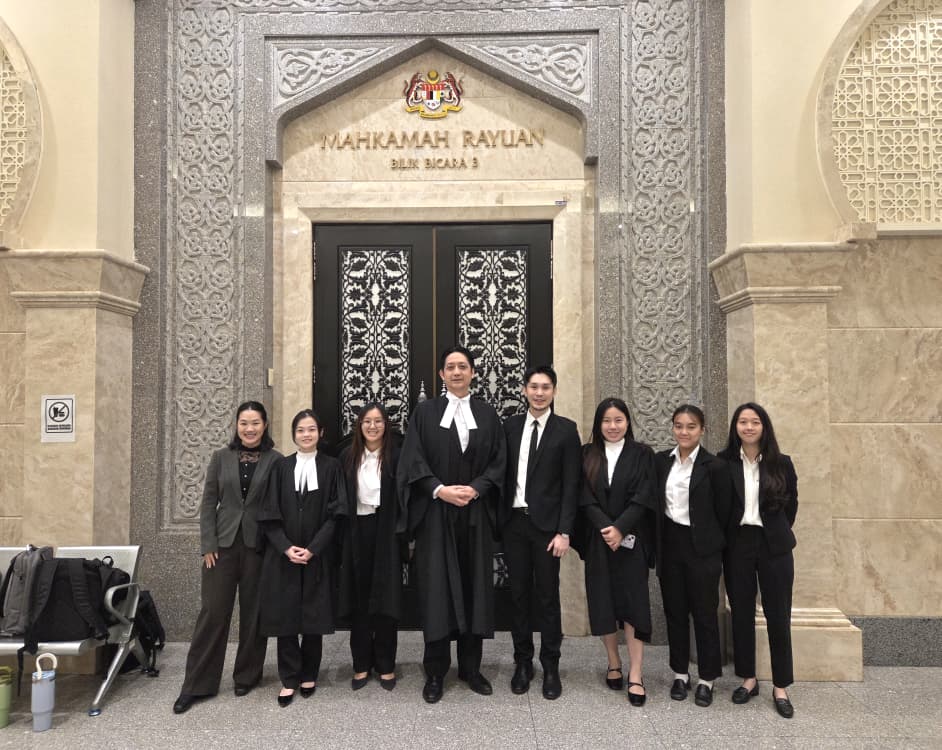
Cuckoo was represented by Leonard Yeoh, together with Pua Jun Wen, Sharon Teo and Stella Beh of Messrs Tay & Partners. Starmax and Wong were represented by Rishikessingam Rajakulasingam, Khisok Kumaar Sundram and Nur Azmina Izzati Aini Azman.
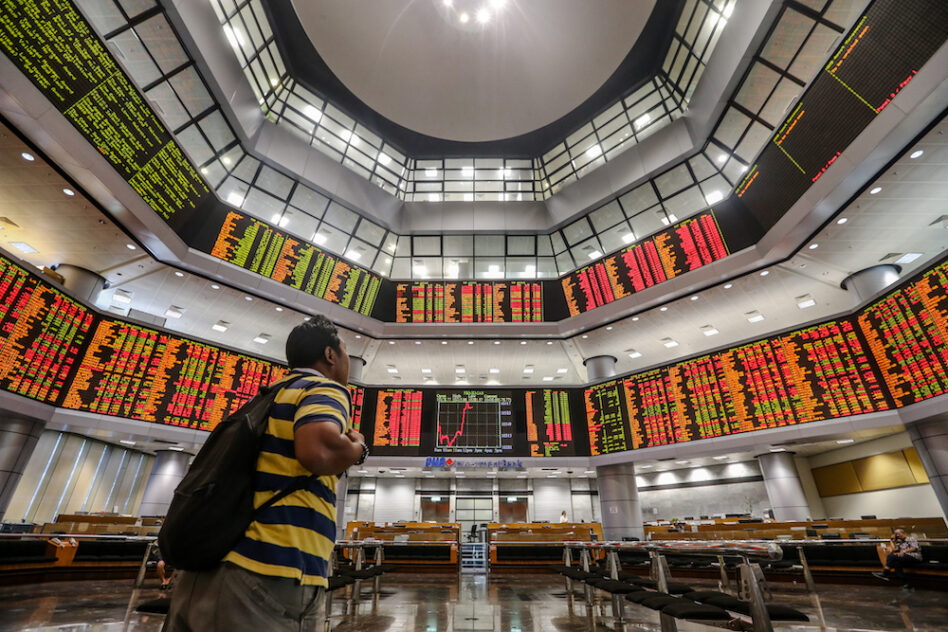
Cuckoo International, a Bursa Malaysia-listed company, operates through a nationwide network of more than 10,000 independent sales and service contractors and agents. ‒ Aug 7, 2026