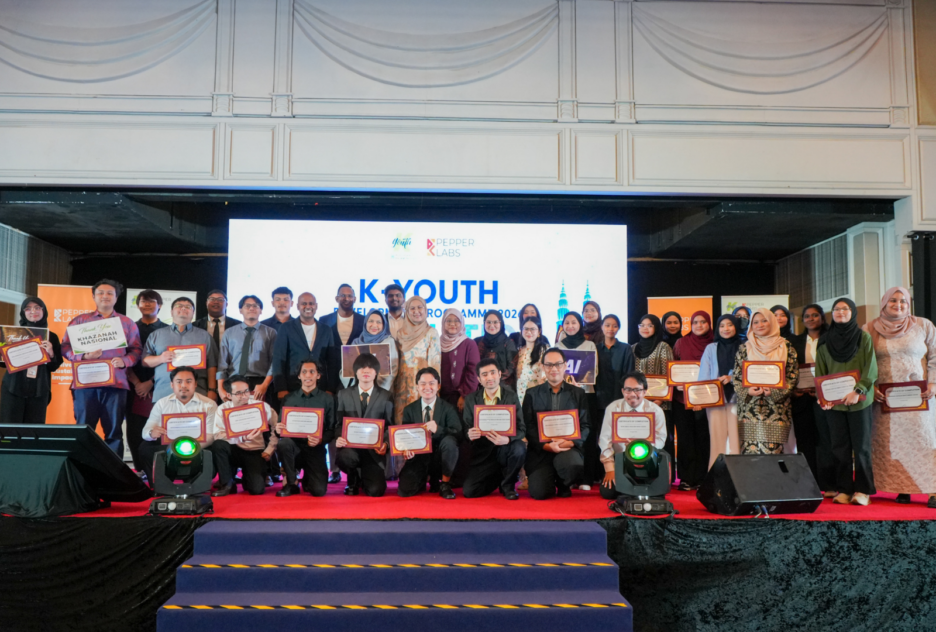

EVERY year, the MATTA Fair reminds us that Malaysians have a strong appetite to explore their own country, and Pahang sees this firsthand.
This year’s MATTA Fair Pahang was no exception, with strong visitor interest and encouraging demand for domestic travel packages, particularly for destinations and experiences within the state.
The response reinforces something I have long believed: interest in Pahang continues to grow. But a recurring question in conversations with travel agents, business operators and visitors is not whether they are interested. It is whether the journey is easy enough.
More than the usual stops
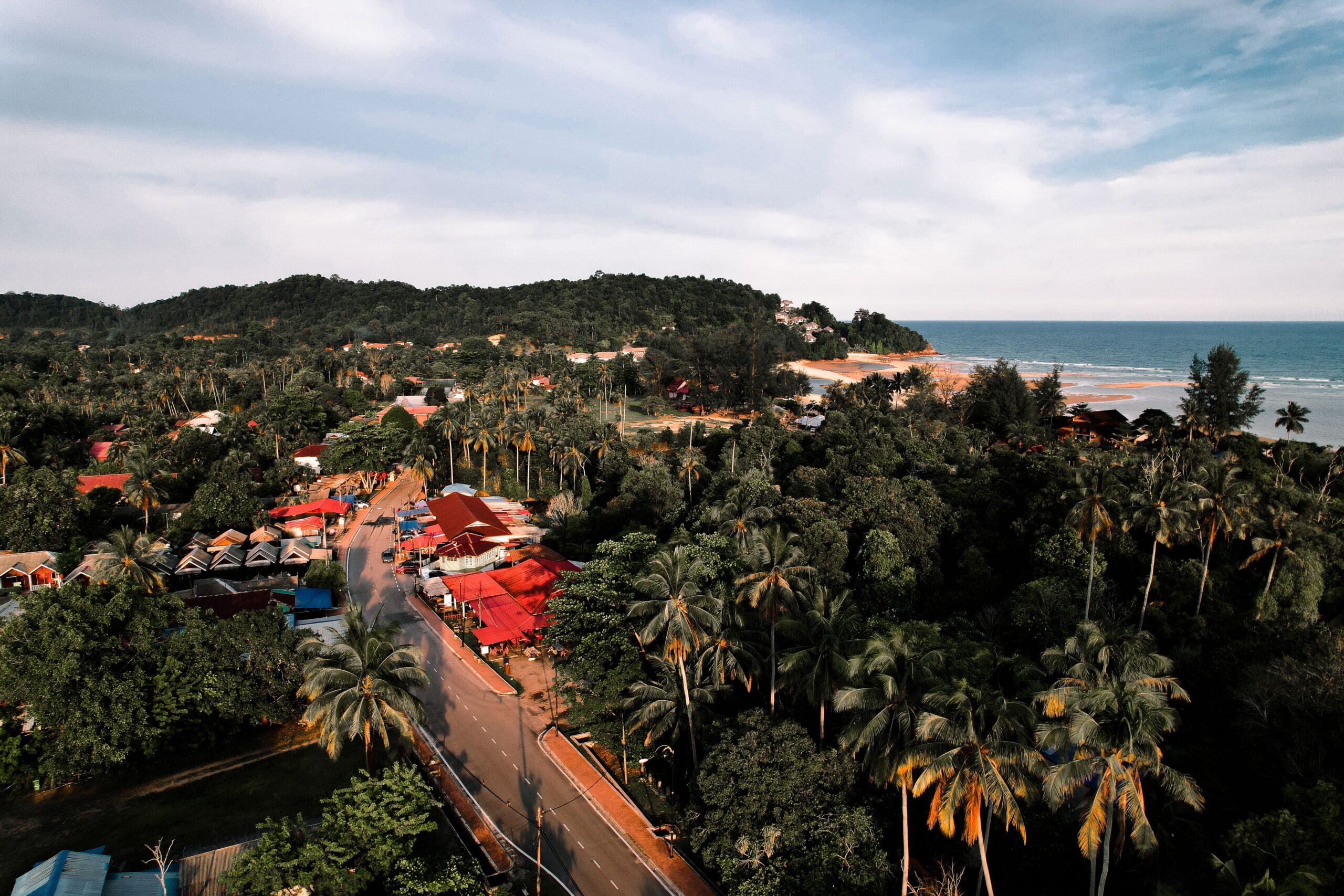
When someone says “Pahang”, most people immediately think of Cameron Highlands or Kuantan, and rightly so. The cool hill air and tea plantations of the former, and the beaches and coastal charm of the latter, have long been among the state’s best-known attractions.
But across Pahang, many more destinations have been waiting for their turn in the spotlight.
Take Temerloh, a riverside town along the Pahang River where homestay families continue to serve ikan patin.
Or Jerantut, a gateway to the rainforest trails of Taman Negara, one of the world’s oldest rainforests. Then there is Tasik Chini, where Orang Asli communities have developed ecotourism activities around the lake’s natural beauty and folklore.
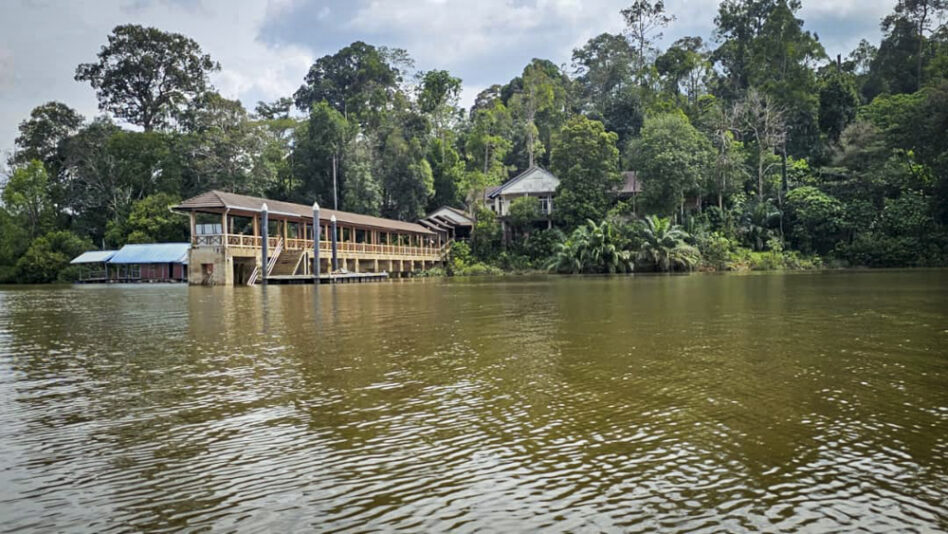
These are the kinds of destinations that stand to gain from Visit Malaysia Year 2026 and the state’s #PahangFirst campaign, which puts Pahang’s highlands, rainforest and coastline at the forefront.
Beyond tourism fairs and roadshows, MATTA Pahang is also pursuing partnerships and marketing initiatives, including collaborations with digital platforms such as MyTravelKaki, an online travel platform initiated by MATTA HQ.
With the state targeting 15 million visitors and around RM13.4 bil in tourism revenue this year, connectivity will also play an important role in turning interest into actual visits.
A convenience problem, not an interest problem
I have spoken to travel agents, and a familiar pattern keeps emerging: it is rarely that tourists are not curious about a destination.
Once travel time, cost and uncertainty are factored in, however, a lesser-known destination in Pahang can quietly slip down the list in favour of an easier and more predictable option.
This is a reminder of how heavily accessibility influences travel decisions, alongside factors such as safety, cost and the quality of the experience.
Our members see this directly.
Long travel times, limited transport options and inconsistent connectivity make it harder for agents to include lesser-known destinations in travel packages. When that happens, it is not just one attraction that misses out.
The homestay nearby, the local restaurant and the guide whose income depends on visitors coming through are affected too.
Visitors continue to concentrate in places they already know, while smaller communities with just as much to offer receive fewer opportunities to participate in the visitor economy.
What better connectivity could unlock
Improved accessibility could benefit far more than travellers. I can already see opportunities for agencies to develop more diverse itineraries, spread tourism spending more evenly across the state and give homestay operators, local restaurants and small businesses in lesser-visited communities a greater share of the visitor economy.
It could also encourage longer stays and more flexible travel, from weekend getaways to multi-stop itineraries.

This is why we are watching projects such as the East Coast Rail Link (ECRL) with real interest. Its connection through Pahang has the potential to make several destinations outside the state’s traditional tourist circuit more accessible to visitors.
Better connectivity could also make tourism promotions such as MATTA Fair Pahang more effective by helping turn initial interest into actual bookings.
Reliability is equally important. Access to timely journey information, including service updates and schedules, gives travellers greater confidence when planning their trips.
Modern passenger rail services can also make long-distance travel more convenient and inclusive, particularly for families, senior citizens and travellers with different mobility needs.
Features such as washrooms, food and beverage services, prayer facilities and wheelchair accessibility can make rail travel a more practical option for a wider range of visitors.
As Chairman of MATTA Pahang Chapter, I believe the future of tourism is not simply about attracting more visitors. It is about ensuring that more communities can share in that growth.
Pahang is already known for its highlands, rainforest and coastline. The next chapter should be about helping visitors discover the many other places and experiences across the state that are still waiting to be found.
MATTA Pahang stands ready to work with the government, Tourism Pahang and other stakeholders to build a more connected and sustainable tourism future for the entire state. ‒ Aug 11, 2026
Mohd Amirizuan Ahmad is the MATTA Pahang chapter chairman.
The views expressed are solely of the author and do not necessarily reflect those of Focus Malaysia.
Main image: Pexels/Pok Rie