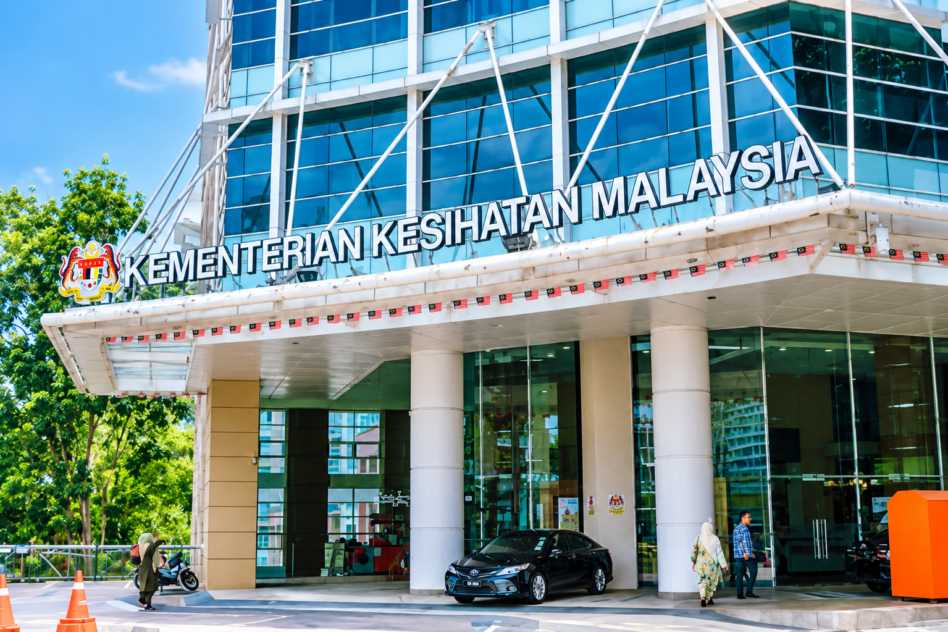

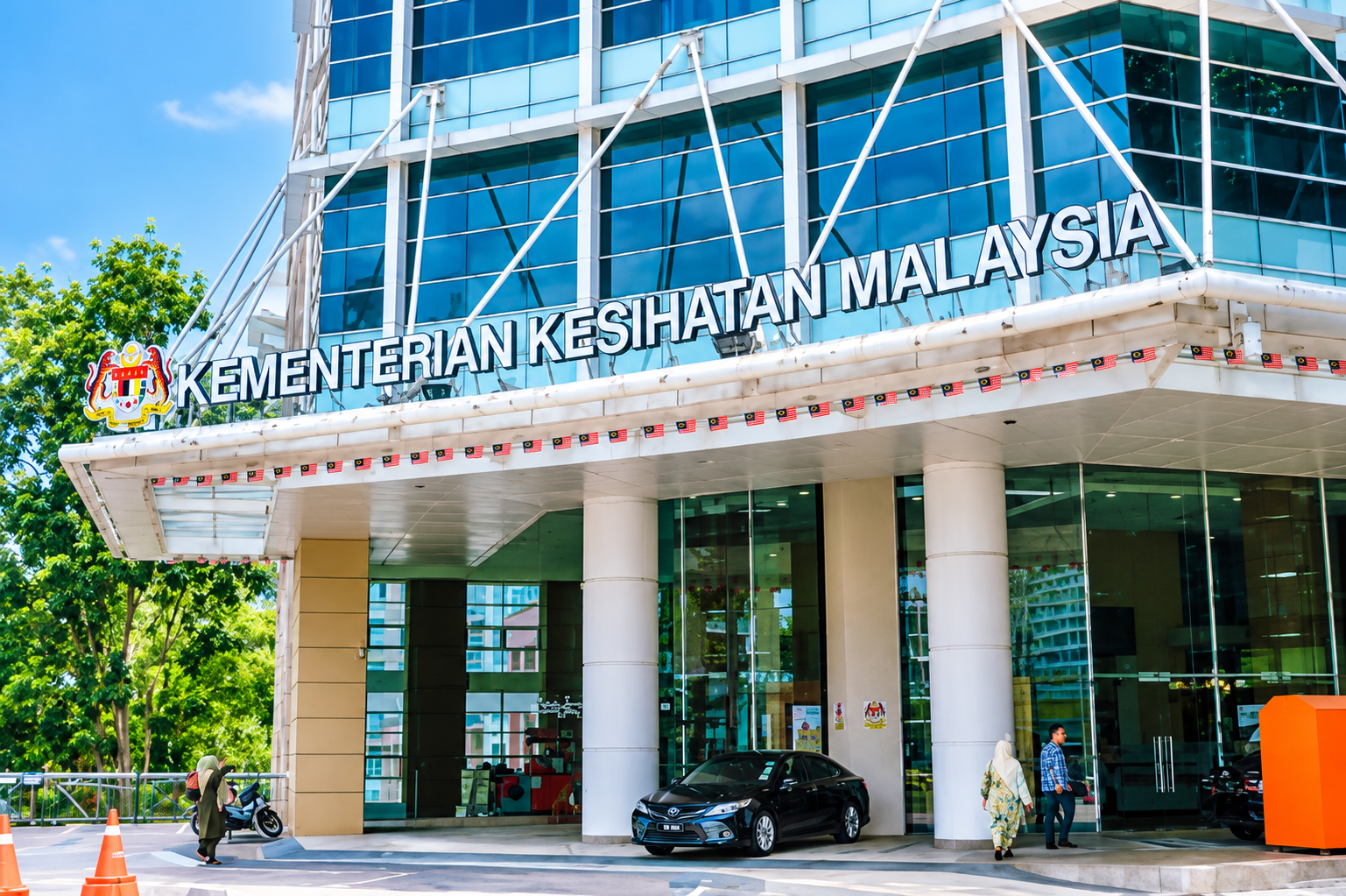
FOLLOWING the recent helicopter crash involving the Flying Doctor Service (FDS) in Miri, the Ministry of Health (KKM) has temporarily halted all FDS operations across Sarawak.
The suspension will allow authorities to carry out a comprehensive investigation into the incident while assessing the safety standards and operational procedures currently in place.
However, KKM stressed that medical services for communities in remote areas would continue despite the temporary suspension.
For emergency cases requiring medical evacuation, KKM will work closely with the Malaysian Fire and Rescue Department to ensure patients can still receive timely assistance.
The ministry is also looking into the use of Malaysian Armed Forces assets as an alternative logistical option where necessary.
At the same time, KKM said it would undertake a broader review of the FDS operational framework.
The review will cover areas including the service’s management, existing delivery contracts and potential alternative methods of reaching remote communities that could provide a safer and more reliable means of delivering healthcare.
The move is aimed at balancing the need to maintain access to medical care in isolated areas with the priority of ensuring the safety of patients and medical personnel.
Dr Sivanaesan Letchumanan, the new president of the Malaysian Medical Association (MMA) also expressed his deep sadness over the recent helicopter tragedy in Sarawak.

In his inaugural speech at MMA’s Annual Banquet held in Ipoh recently, he said that retaining doctors in the public sector was critical to ensuring continuity and quality of care, particularly as Malaysia faced increasing demands from an ageing population and the rising burden of non-communicable diseases (NCDs).
“Retaining our healthcare workers must therefore be viewed as an investment in the future of Malaysian healthcare, rather than simply a human resources issue,” he said.
Dr Sivanaesan has urged the Ministry of Health to tap into Malaysia’s extensive private general practitioner (GP) network to strengthen efforts to prevent, detect and manage non-communicable diseases (NCDs), including diabetes, hypertension and cardiovascular disease.
He pointed out that the country already has a sizeable healthcare network in the form of private GP clinics, but much of its potential remains untapped when it comes to NCD management.
“There are more than 11,000 private GPs nationwide, and this is a significant healthcare resource that remains under-utilised in managing NCDs,” he said.
According to him, the widespread availability of private GP clinics could also make healthcare more accessible, particularly for patients who require regular monitoring and follow-up.
“Private GPs are often located closer to patients’ homes, offering convenience and easier access for regular followup.
For many patients, going to a nearby private GP clinic can be a more practical option than spending hours travelling to and waiting at a public healthcare facility.
“We should make better use of this existing network and integrate private GPs more effectively into our overall strategy for NCD management,” he said.
Dr Sivanaesan also highlighted the absence of an integrated digital medical records system as one of the longstanding challenges preventing closer cooperation between public and private healthcare providers.
He said this could change with the Ministry of Health’s “One Person, One Record” initiative, which is expected to be introduced within the next few months.
Under the initiative, patients will be able to securely provide private healthcare providers with access to their verified digital medical records through time-limited, password-protected QR codes.
The implementation of the system has also been brought forward following the Ministry’s recent memorandum of understanding with the Malaysian Communications and Multimedia Commission.
The agreement has increased funding for digital health infrastructure from RM650 mil to RM1 bil, providing greater resources to support the rollout and integration of the digital health system.—Sept 13, 2026
Main image: Malay Mail