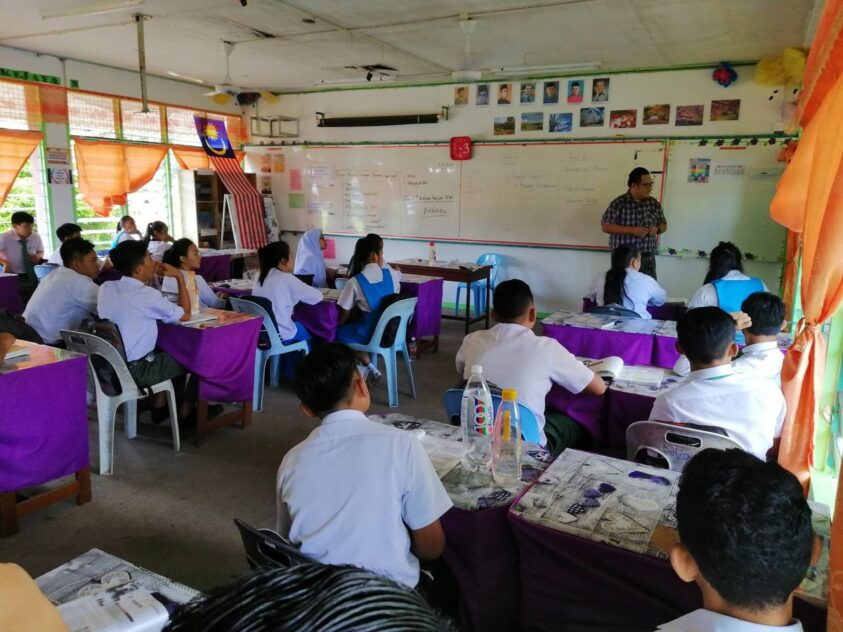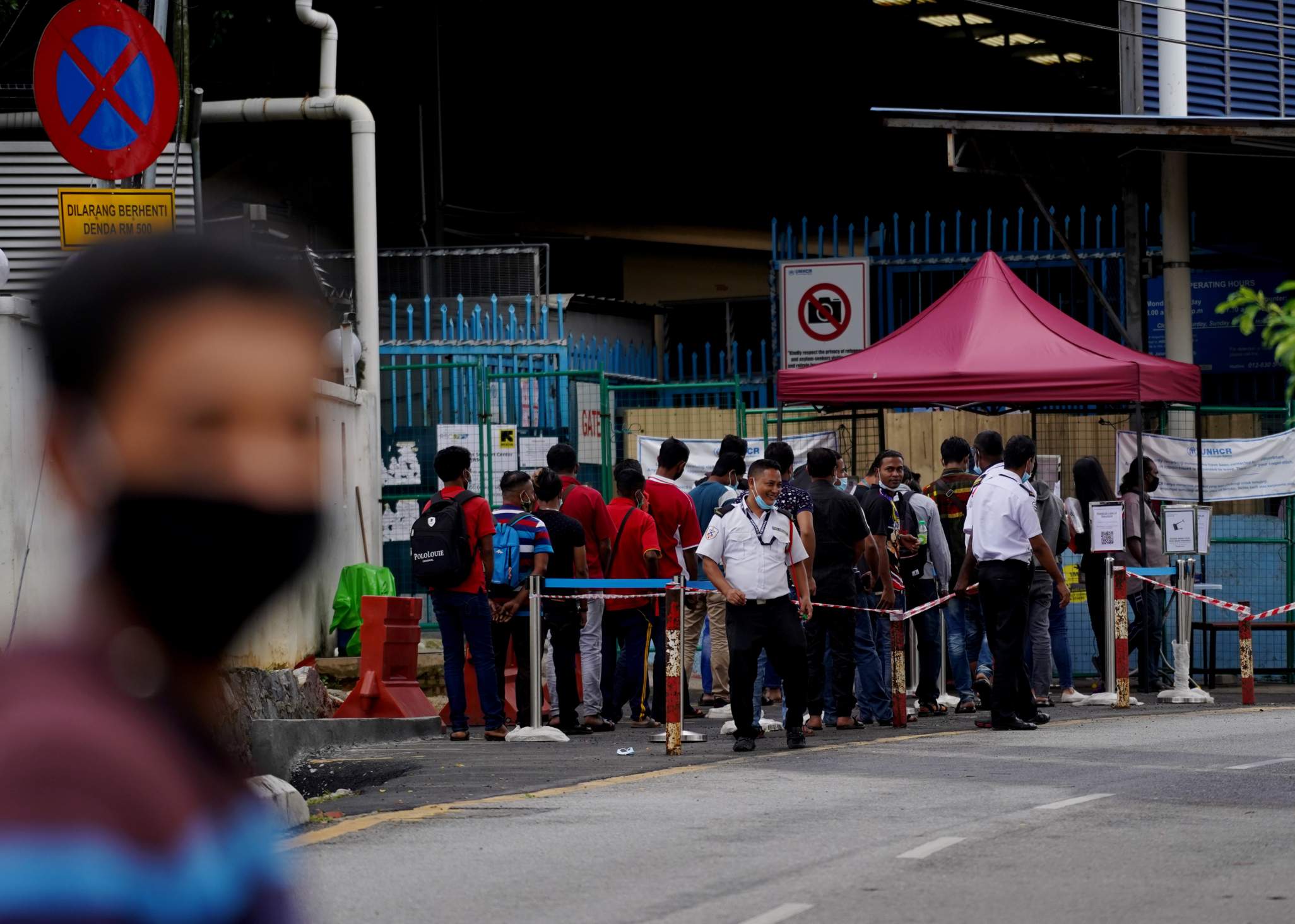
MALAYSIA has a refugee problem, but at its core, it has a refugee-law problem.
For decades, Malaysia has sheltered people fleeing war, persecution and political instability. Yet it remains outside the 1951 UN Refugee Convention and its 1967 Protocol, and it has never enacted a comprehensive law defining the status, rights and responsibilities of refugees and asylum seekers.
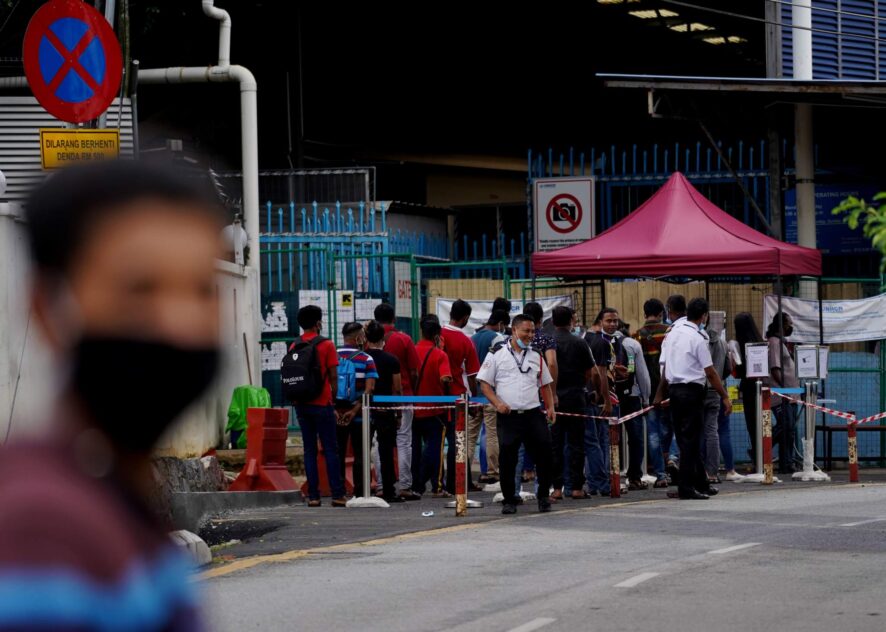
As of February 2026, UNHCR recorded about 215,600 refugees and asylum seekers in Malaysia, with more than 90% from Myanmar, including a large Rohingya population. Parliamentary figures later placed the total at 219,472 as of April.
These are not simply numbers. They are people already living among us, working where they can, raising children, renting homes and contributing, however informally, to the economy.
The real question is why Malaysia continues treating refugees primarily as an immigration problem when it has managed them as a long-term humanitarian, social and economic reality for decades.
Sovereignty is not the whole answer
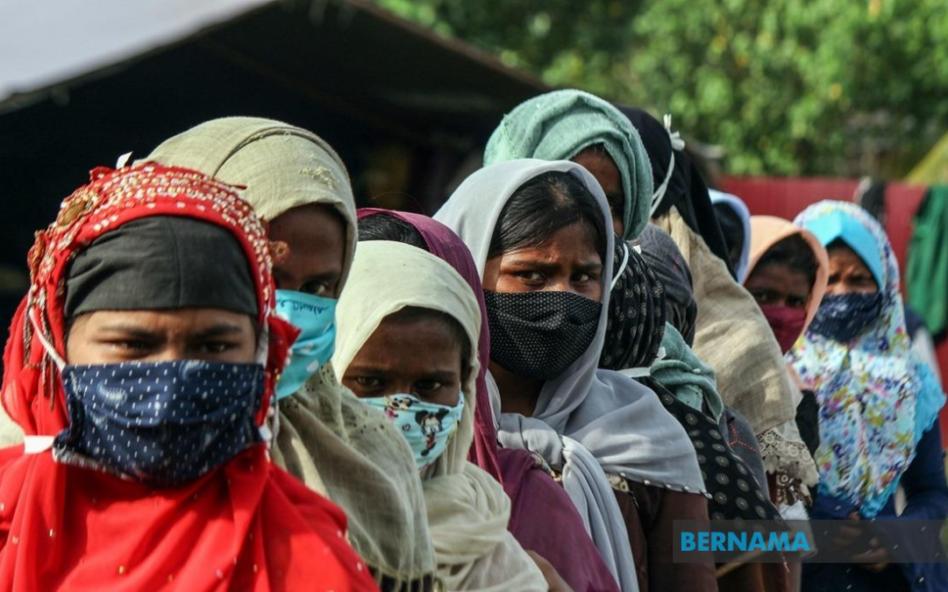
The strongest argument against joining the Refugee Convention is usually sovereignty.
Malaysia has every right to control its borders, conduct security screening and protect national security. But joining the Convention does not mean surrendering immigration policy to the United Nations.
The Convention establishes a framework for identifying genuine refugees while requiring them to obey the laws of their host country. Malaysia would still decide who enters, prosecute crimes, distinguish refugees from economic migrants and remove those who do not qualify.
In fact, a clear legal framework could strengthen sovereignty rather than weaken it.
Today, refugees recognised by UNHCR have no corresponding legal status under Malaysian law. That legal grey zone creates uncertainty for everyone.
Registration alone is not protection
Malaysia has begun introducing its own Refugee Registration Document (DPP), replacing the previous UNHCR registration system. The government says it will improve security, registration and refugee management.
That is a useful step, but registration alone is not protection.
A biometric database can identify a person, but it does not answer fundamental legal questions.
Can recognised refugees work legally? Can their children attend school? What happens if they are detained? How are decisions reviewed? Under what circumstances can someone be returned safely?
Those questions require legislation, not simply registration.
Let recognised refugees work legally
The current system creates an obvious contradiction.
A refugee prohibited from lawful employment still needs food, shelter and income. The result is predictable: many end up in the informal economy, where exploitation, underpayment and undocumented work become harder to monitor.
Malaysia should reverse that logic.
Recognised refugees should be allowed to work under controlled conditions, with employers registered, wages regulated, security screening maintained and exploitation punished.
This is not charity. It is practical governance.
A regulated worker is easier to monitor than someone forced underground.
More importantly, a legal framework would help distinguish four groups that are too often lumped together: genuine refugees, economic migrants, undocumented migrants and genuine security threats.
They should not all be treated the same.
The Rohingya dilemma
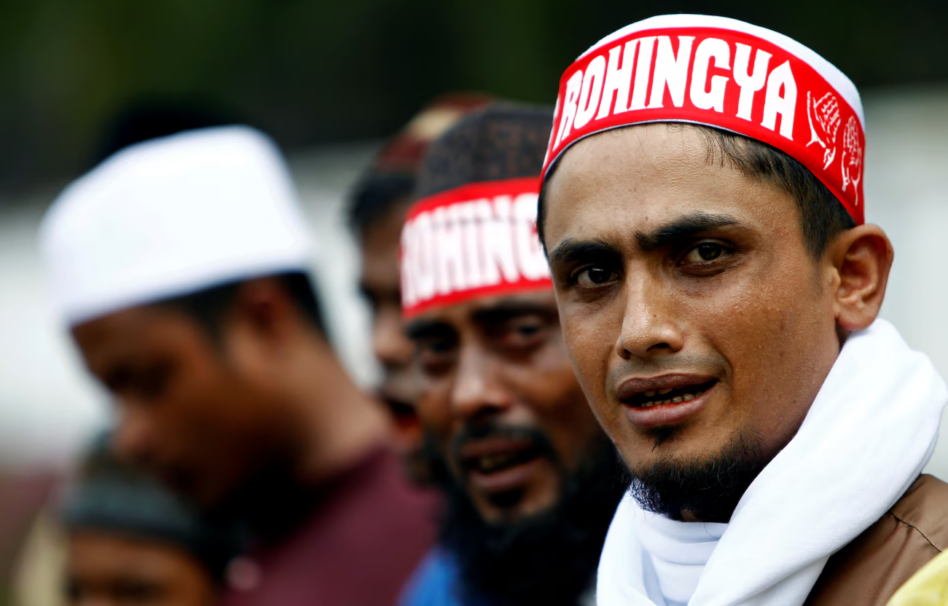
The Rohingya crisis illustrates why clearer rules matter.
Myanmar’s displacement crisis has lasted for years, and Malaysia cannot simply assume that everyone can safely return.
The principle of non-refoulement, which prohibits returning people to places where they face serious threats to life or freedom, sits at the heart of refugee protection.
UNHCR maintains that it forms part of customary international law, regardless of whether a country has formally joined the Convention.
If Malaysia is already expected to observe fundamental protection principles, establishing transparent domestic procedures becomes even more sensible.
From registration to recognition
Malaysia often speaks about moderation, compassion and the rule of law. The Rukun Negara itself reflects those values through belief in God, loyalty to King and country, the supremacy of the Constitution, the rule of law, and courtesy and morality.
The refugee question touches all five.
The answer is not unlimited acceptance. It is a principled system that determines who qualifies for protection, who does not, who may work, who can be returned safely and who should be resettled elsewhere.
A practical path forward would involve three steps.
First, enact a comprehensive Malaysian Refugee and Asylum Act. Second, establish an independent refugee status determination system that integrates immigration, security and humanitarian considerations.
Third, begin accession to the 1951 Convention and 1967 Protocol while negotiating international burden-sharing, funding and third-country resettlement.
The government is already bringing refugee registration under Malaysian control through the DPP while pursuing voluntary repatriation programmes involving Myanmar nationals.
At the same time, disagreements with UNHCR over whether conditions in Myanmar are safe enough for returns have highlighted the need for clearer legal processes.
Malaysia cannot solve the global refugee crisis. But it can decide how it governs the people already here.
The real choice is not between having refugees and having none. It is between allowing thousands to remain in a legal grey zone or building a transparent system grounded in Malaysian law, national security, economic reality and human dignity.
Malaysia can protect its borders without closing its conscience. ‒ Sept 14, 2026
KT Maran is a Focus Malaysia viewer.
The views expressed are solely of the author and do not necessarily reflect those of Focus Malaysia.
Main image: Utusan Malaysia