
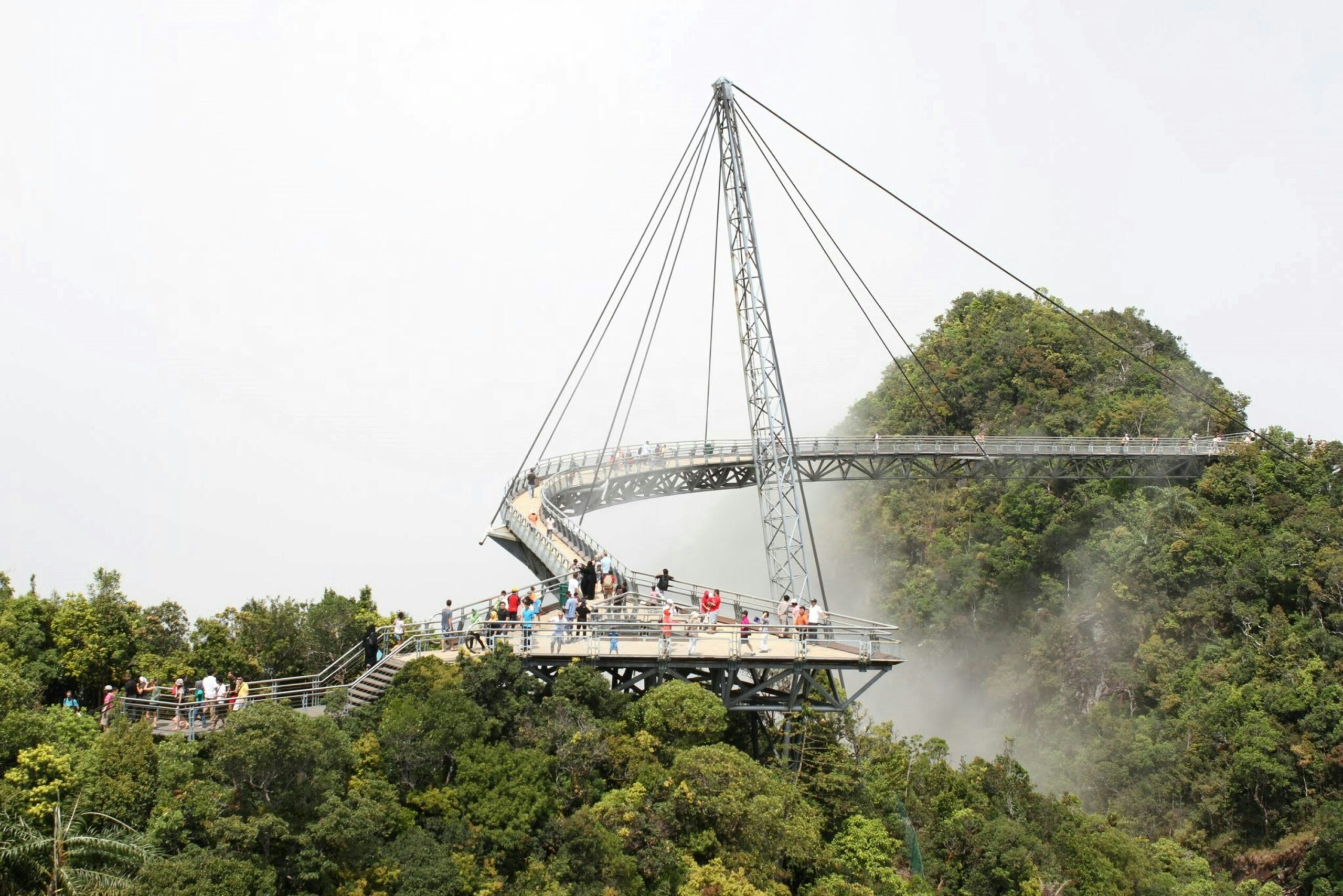
A VIDEO uploaded several months ago by a self-described “AI Inbound Tourism Strategist” asked: “What if Langkawi never became another Phuket or Bali?”
The provocative title misses the real issue.
Instead of debating whether Langkawi should become another Phuket or Bali, we should ask a more practical question: why is Langkawi attracting far fewer visitors, and what can be done to change that?
The video also warned about over-tourism. That concern feels premature. It is rather like worrying about how to spend imagined wealth before becoming wealthy. Langkawi’s challenge today is attracting more visitors, not managing excessive numbers.
Comparisons with Phuket or Bali are also unrealistic because every destination develops its own identity. A more useful comparison is Penang, which is only about 110km away but has built a far stronger tourism ecosystem.
The two islands share similar climates and comparable land areas. Langkawi’s main island covers about 320 sq km, while Penang Island spans about 295 sq km. Yet the similarities largely end there.
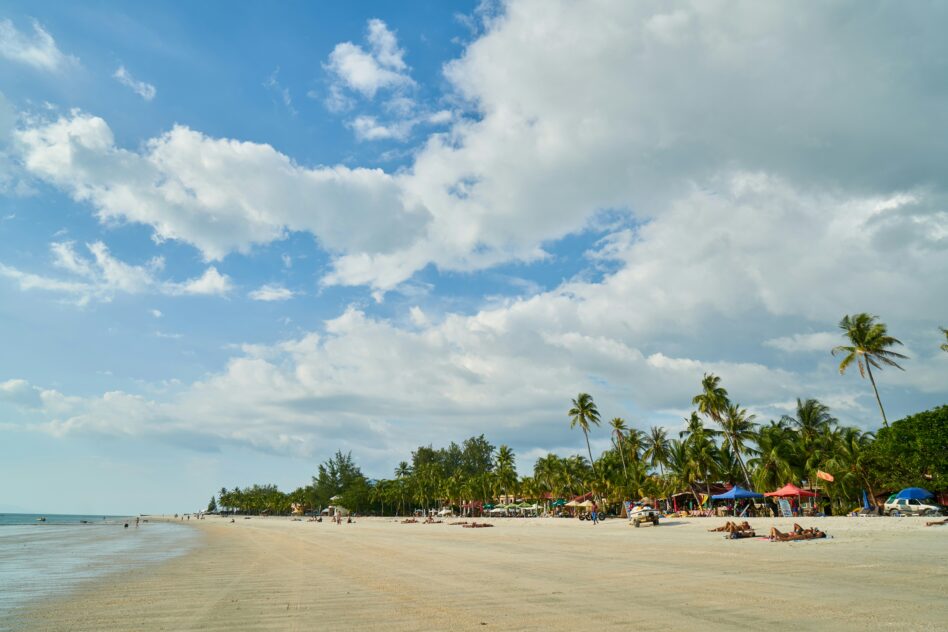
Fewer than 100,000 people live in Langkawi, compared with around 800,000 on Penang Island. More importantly, Penang has cultivated a distinctive mix of heritage, food, business activity and urban vibrancy that gives visitors many reasons to stay longer and return.
According to the Langkawi Development Authority (LADA), Langkawi recorded about 2.87 million domestic visitors and 341,000 foreign visitors in 2025.
Penang’s tourism numbers illustrate a different scale altogether. Official Tourism Malaysia figures show the state recorded 5.29 million domestic hotel guests and 3.47 million foreign hotel guests in 2025.
These figures do not include visitors staying in short-term rental accommodation or many day trippers, meaning overall visitor numbers are substantially higher.
Accessibility also shapes visitor behaviour.
Both islands are served by regular flights and ferry services. Penang, however, enjoys a major advantage through its two bridges linking the island to the mainland, despite periodic congestion during peak periods.
Langkawi remains heavily dependent on ferry capacity, which can become constrained during busy periods and uncomfortable when weather conditions deteriorate.
But infrastructure alone does not explain the difference.
The decisive factor is people.
The quality of human capital, hospitality and local attitudes often determines whether visitors recommend a destination, return for another trip or decide to invest their time and money elsewhere.
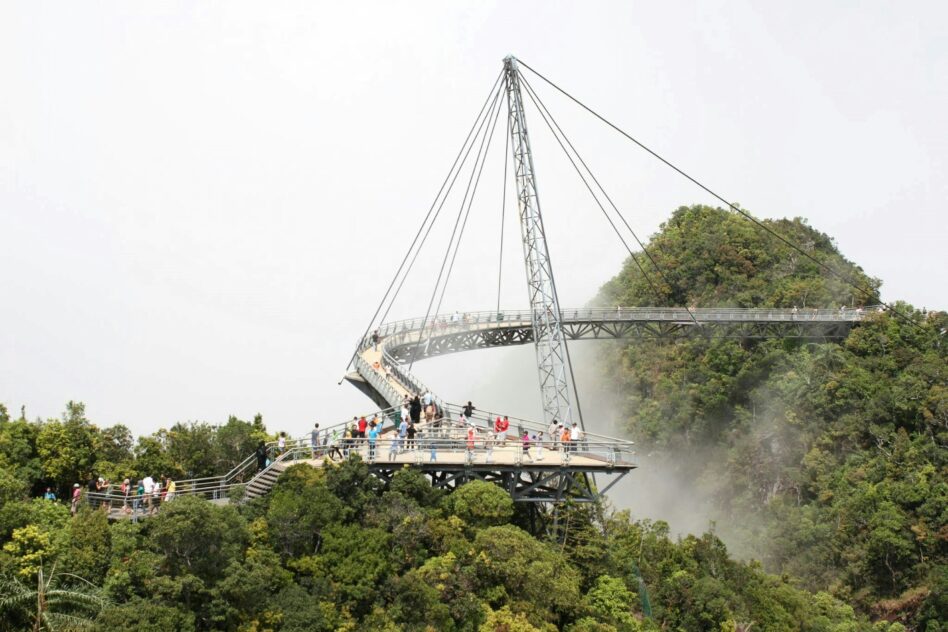
Langkawi possesses extraordinary natural assets: beaches, forests, geoparks and scenic landscapes that many destinations would envy.
Natural beauty, however, does not guarantee tourism success.
Singapore offers a useful reminder. Despite having few natural resources on its 730 sq km island, it attracts around 17 million international visitors annually because it consistently invests in service quality, connectivity, efficiency and visitor experience.
Langkawi does not need to become another Singapore, Phuket or Bali.
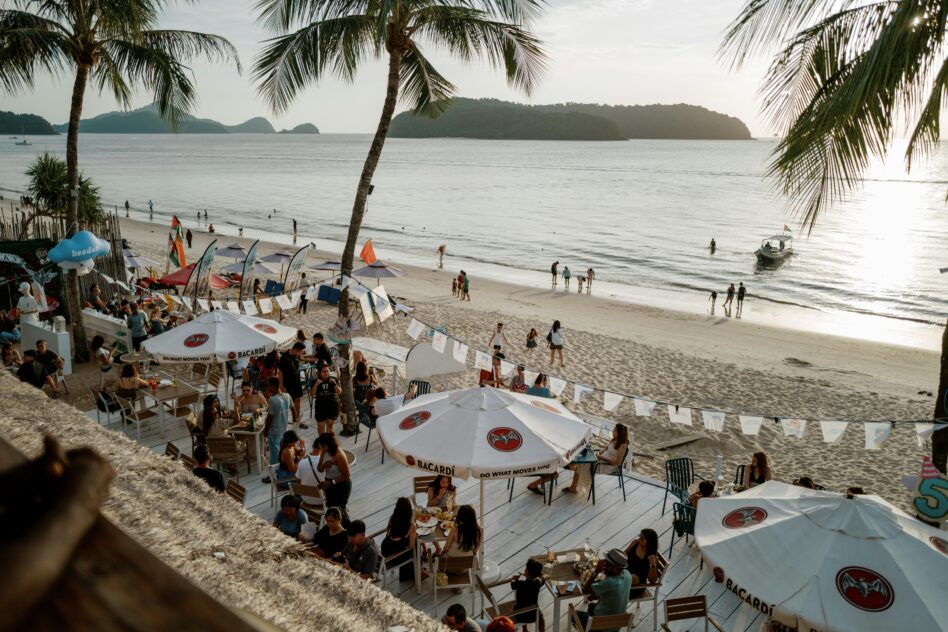
It does, however, need to become the best version of itself.
That requires a shift in mindset. Rather than justifying why Langkawi is different, policymakers, businesses and local communities should ask what makes visitors choose one destination over another.
The answers often lie in everyday experiences: warm hospitality, reliable transport, quality food, well-maintained attractions, helpful service, longer opening hours and an environment that encourages visitors to stay, spend and return.
Tourism is ultimately a people business.
Visitors may come because of beautiful beaches or dramatic landscapes, but they remember how they were treated.
The strongest destinations combine natural attractions with consistently positive experiences that encourage repeat visits and positive word-of-mouth.
If Langkawi can strengthen its hospitality culture, improve visitor convenience and adopt a more outward-looking tourism mindset, it can build a stronger and more resilient visitor economy.
The island already has the natural ingredients.
The next step is ensuring it has the human and institutional ingredients needed to compete with the region’s leading destinations. ‒ Sept 22, 2026
YS Chan is a tourism, transport and training consultant.
The views expressed are solely of the author and do not necessarily reflect those of Focus Malaysia.
Main image: Unsplash/Alakam Travel & Tourism