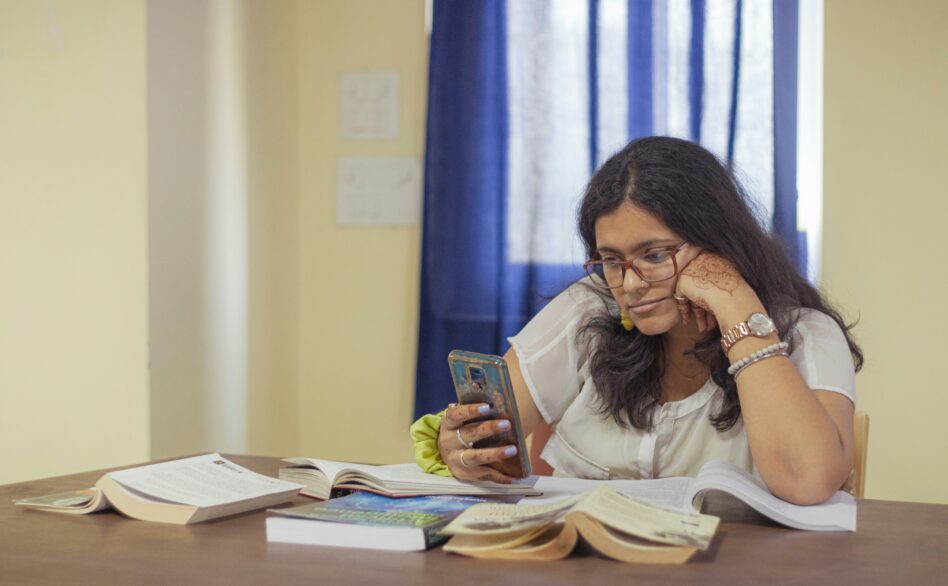

YOU have probably seen the infographic. It might have appeared on your feed between a cat video and a recipe reel: “Reels replace textbooks?”
The question is catchy, and it comes with a warning attributed to Indian journalist Palki Sharma Upadhyay: when short videos replace textbooks and algorithms become our children’s teachers, we risk raising a generation that lacks the knowledge to protect itself.
It is a serious concern, but we must distinguish a warning from an established fact. There is no solid evidence that reels have replaced textbooks across Malaysian schools.
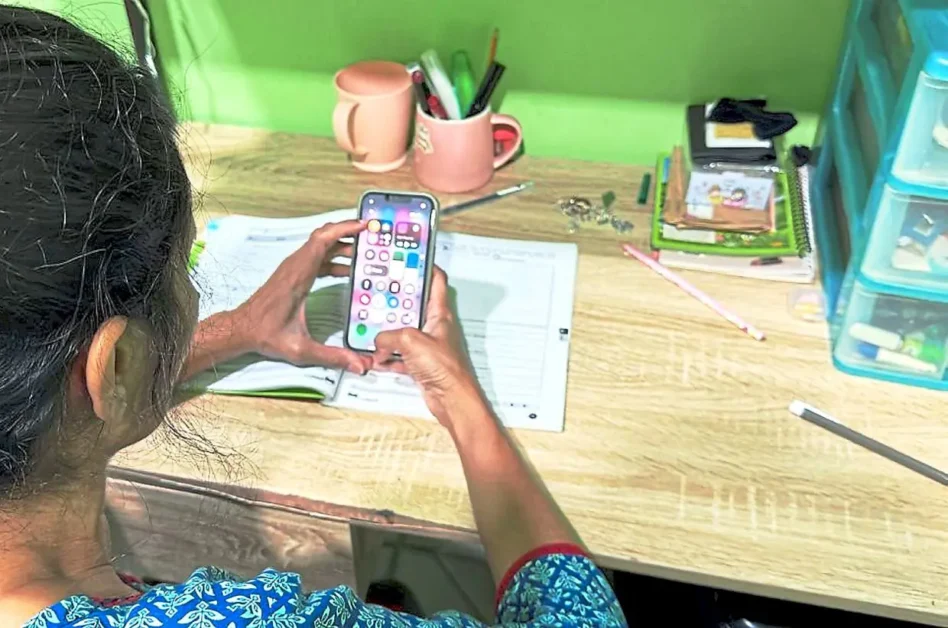
What is happening, however, is that short videos are competing for students’ attention and influencing where they seek information.
The more important question is whether our children can distinguish knowledge from entertainment, facts from falsehoods, and independent thinking from simply accepting what an algorithm serves them.
From reading deeply to scrolling endlessly
Textbooks encourage students to follow arguments, connect ideas, examine evidence and build understanding progressively. They demand concentration and patience, qualities that can be difficult to cultivate in an environment of constant digital stimulation.
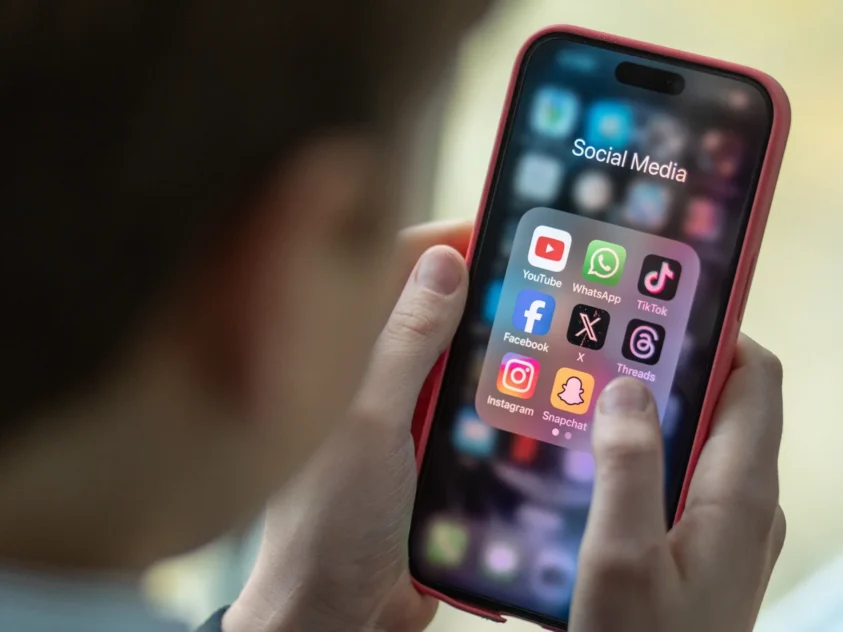
Reels, TikTok videos and YouTube Shorts deliver information in short, visually engaging bursts designed to capture attention quickly.
That is not necessarily a bad thing. A well-produced video can demonstrate a scientific experiment, explain a difficult mathematical concept or introduce students to unfamiliar cultures. For some learners, visual explanations can make complicated subjects more accessible.
But accessibility is not the same as understanding.
A student might watch a minute-long video about climate change and remember its striking images without understanding greenhouse gases, the scientific evidence or the relationship between human activity and rising global temperatures.
Similarly, a video about Malaysian history might provoke strong emotions while omitting historical context, competing interpretations or facts that complicate its narrative.
The danger arises when exposure to information is mistaken for knowledge. Watching hundreds of educational videos does not necessarily equip students to explain a subject, evaluate an argument or apply what they have learned.
When algorithms become invisible teachers
Social media recommendation systems select content based partly on what is likely to keep users engaged. Their objectives are not necessarily aligned with educational quality or balanced understanding.
A carefully researched explanation and a sensational, misleading claim can both attract attention. Popularity alone does not establish credibility.
UNESCO’s 2023 Global Education Monitoring Report, Technology in Education: A Tool on Whose Terms?, cautioned that technology should support education based on human interaction rather than replace it.
The report also highlighted concerns about distraction, privacy, safety and the limited robust evidence available on the educational value of some technologies.
Consider a Malaysian student researching racial relations. A balanced resource might explain the country’s multicultural history, constitutional framework, citizenship, affirmative action and competing public-policy arguments.
An engagement-driven feed, however, might repeatedly recommend inflammatory videos portraying one community as a threat to another. Repeated exposure could reinforce existing prejudices rather than encourage critical examination.
In a multiracial and multireligious country, such content can deepen suspicion and undermine social cohesion.
We should not exaggerate the national security implications. Watching reels does not make someone a security threat.
However, people who struggle to recognise manipulated information, coordinated disinformation or incitement may be more vulnerable to exploitation and social conflict.
What does the research tell us?
The evidence does not justify abandoning digital learning.
A 2025 study published in Education and Information Technologies examined explanatory videos in university physics courses. Researchers found improved quiz performance in a classroom experiment, but the benefit appeared for only one of four videos in an online replication.
The findings suggest that videos can support learning, but their effectiveness depends on the material and context.
Malaysian research has also identified potential benefits from digital learning. A 2018 study involving 723 research students at five local universities found that social media-based collaboration and engagement were associated with better reported learning performance.
However, the study examined collaborative learning among university research students, not whether short-form entertainment videos improve schoolchildren’s learning.
The distinction, therefore, is not between books and technology. It is between purposeful learning and passive consumption.
Videos can reinforce textbook lessons. Books provide depth and structure. Teachers can connect both to students’ lives, identify misunderstandings and encourage questions that neither medium can answer alone.
Malaysia must strengthen critical thinking
Our education challenge is not simply whether students use textbooks or smartphones. It is whether they learn to think independently.
First, digital literacy should be taught at every level. Students must learn to trace claims to their sources, compare independent reports, distinguish fact from opinion and recognise misleading headlines, manipulated videos and AI-generated content.
Second, teachers should encourage students to question what they watch. Who created this content? What evidence supports it? What has been left out? Can the claims be verified elsewhere?
Third, schools should combine textbooks, classroom discussions, experiments, documentaries and carefully selected digital resources. Printed books still matter, while technology should complement rather than thoughtlessly replace them.
Fourth, parents and educators should encourage healthier digital habits. Time online is not automatically time spent learning. Children also need reading, physical activity, face-to-face friendships and uninterrupted concentration.
Finally, technology companies must take greater responsibility for recommendation systems, particularly when children are involved. Transparency, age-appropriate safeguards and independent scrutiny deserve serious attention.
The classroom must produce thinkers, not followers
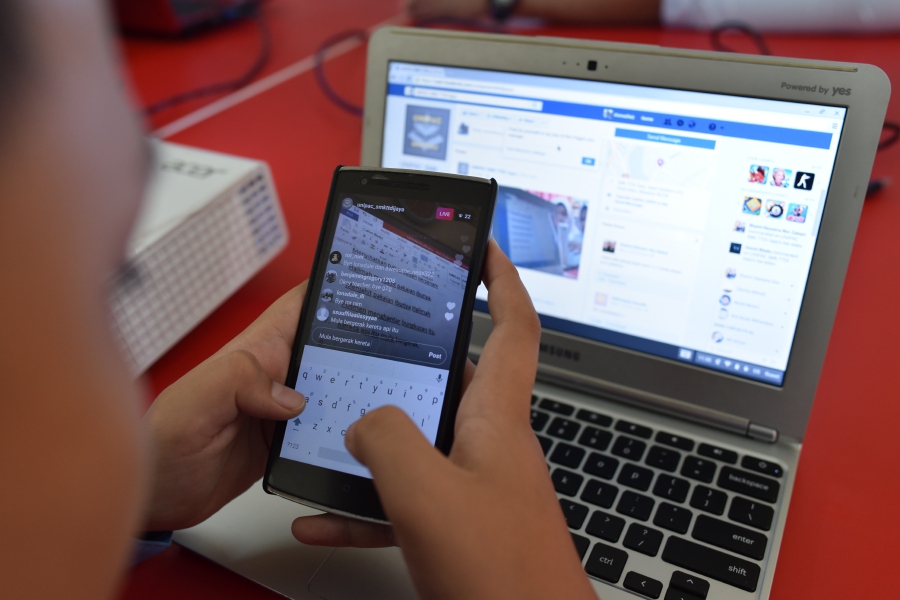
Malaysia’s future depends on citizens who can weigh evidence, tolerate disagreement, recognise manipulation and make decisions based on facts rather than feelings.
These skills matter for democratic participation, economic productivity and social cohesion.
A young person who accepts everything online is vulnerable to manipulation. But rejecting everything without examination is no better. The goal is reasoned judgement: an open mind guided by evidence.
We should also resist romanticising the past. Textbooks can be outdated, inaccurate or ideologically biased. Teachers can discourage questions, while digital creators can offer excellent explanations. Neither printed pages nor smartphone screens guarantee truth.
The answer is to teach students how to evaluate both.
Reels do not have to replace textbooks. But if our education system fails to cultivate curiosity, concentration and critical thinking, entertainment may fill the space that meaningful learning should occupy.
The question Malaysia must answer is not whether children should watch short videos. It is whether, after watching them, they are better equipped to understand the world or simply more inclined to keep scrolling. ‒ Oct 14, 2026
KT Maran is a Focus Malaysia reader.
The views expressed are solely of the author and do not necessarily reflect those of Focus Malaysia.
Main image: Unsplash/Sanket Mishra