
BELIAWANIS MCA national chairperson Ivone Low Yi Wen has called for stronger parental guidance and community support to prevent youth violence, warning that online trolling and the circulation of violent content could deepen the isolation of vulnerable young people.
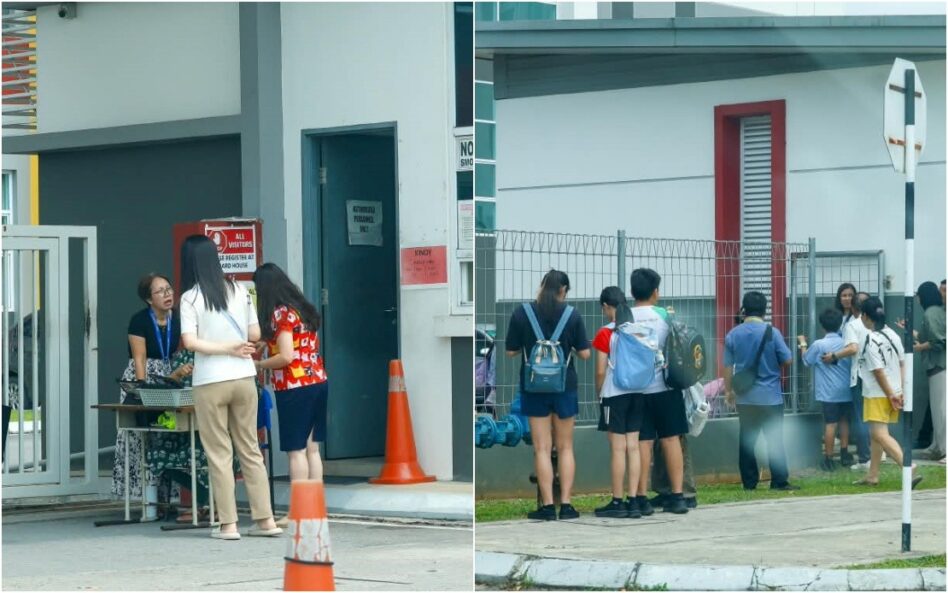
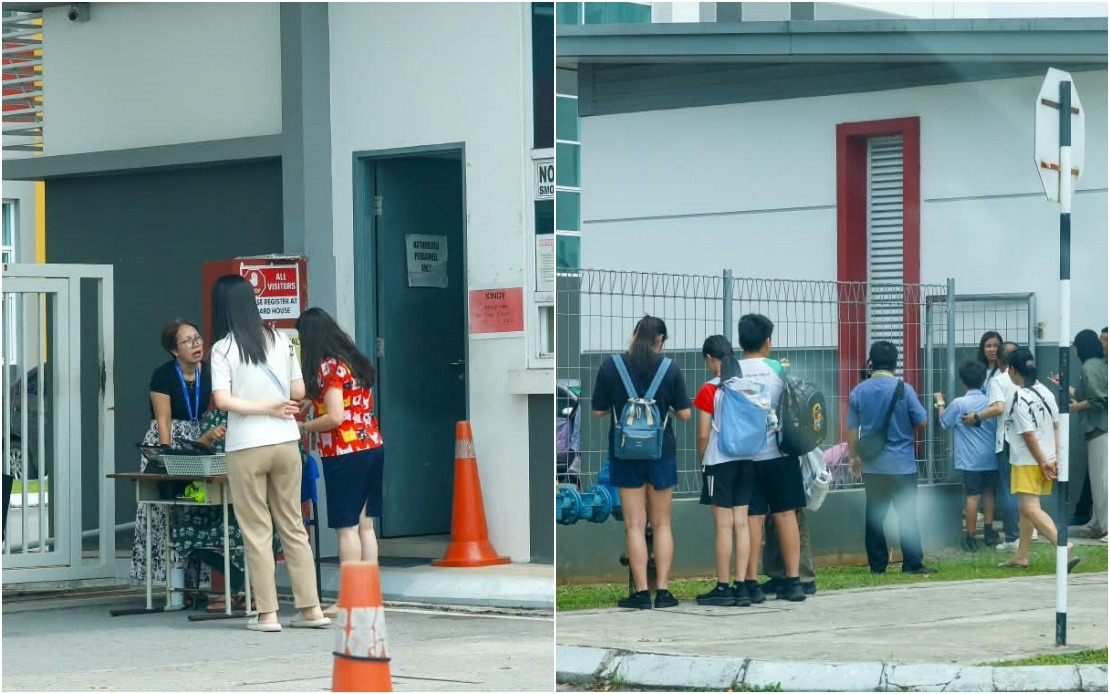
Her statement follows an incident at Tunku Putra-HELP International School in Kuching on Oct 21, in which a 16-year-old male student allegedly injured a female teacher with a sharp weapon.
Police confirmed that footage of the incident had circulated online, with the Malaysian Communications and Multimedia Commission subsequently removing a video posted on Facebook.
Police have urged the public not to spread unverified information while investigations continue.
“The recent school attack in Kuching is a sobering reminder that while accountability is essential to protect teachers and students, preventing similar incidents also requires us to recognise early warning signs and address the factors that may contribute to youth violence, including the influence of online environments,” she said.
She said allegations that the student had expressed loneliness, isolation and resentment online should not be dismissed, as such expressions could indicate that a young person was struggling and needed help.
When these signs were met with online trolling and public humiliation, Low warned, they risked deepening a young person’s isolation instead of addressing the underlying problems.
She also raised concern over reports of the attack being livestreamed and memes subsequently circulating online that mocked the student.
“This reflects a phenomenon known as memetic violence, in which real acts of violence are recorded, shared and turned into entertainment,” she said.
Low noted that whether perpetrators were glorified or ridiculed, turning violence into online content risked trivialising the harm inflicted on victims and their families.
She added that certain online subcultures had been associated with the glorification of school attackers, sometimes portraying them as celebrities or figures of fascination.
However, Low cautioned against drawing conclusions about the Kuching student’s motivations or suggesting that he had been influenced by any particular extremist ideology without evidence.
She said the potential impact of such online environments on vulnerable young people nevertheless deserved attention.
“Parents and families must guide children’s online activities, encourage open conversations and help them understand the real world consequences of what they encounter online,” she stressed.
“Schools and communities must also work together to identify concerning behaviour and ensure young people can access appropriate counselling and support.”
Low said preventing similar incidents required society to consider not only why a young person might attack a teacher, but also how online environments could allow violence to be livestreamed, shared and treated as a source of amusement.
She called for a collective response that balanced accountability with compassion, so that young people experiencing distress could receive help before their problems escalated into harm. ‒ Oct 22, 2026
Main image: Bernama