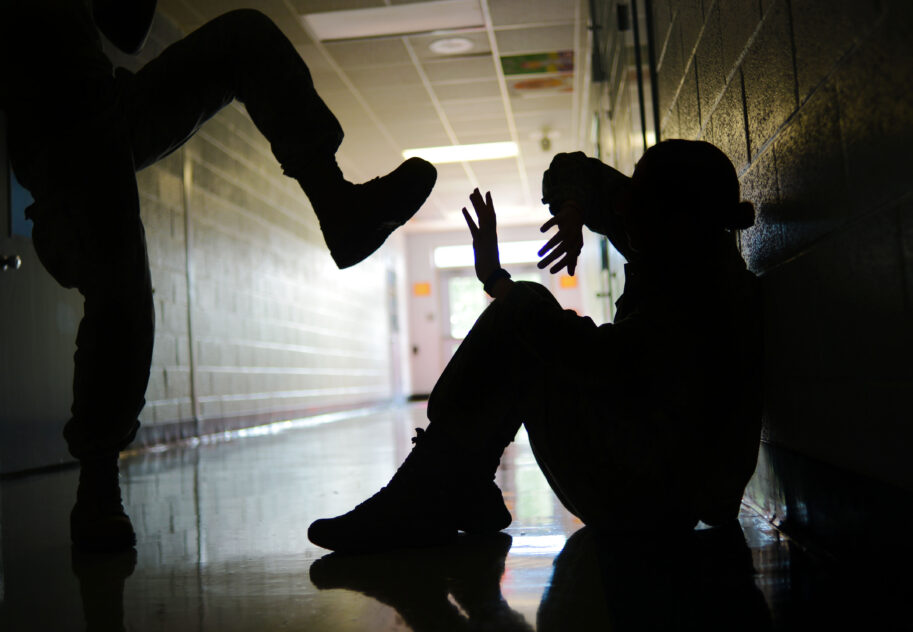


WHEN a child humiliates, threatens or assaults another, we condemn the perpetrator, counsel the victim and often attribute the incident to poor discipline or mental health.
But when bullying persists, we must ask a harder question: are we treating the symptoms while ignoring the attitudes and institutional failures that allow such behaviour to flourish?
Malaysia’s bullying figures demand attention. The Education Ministry recorded 6,528 cases in 2023 and 7,681 in 2024, before the figure fell to 2,889 in 2025.
Prime Minister Datuk Seri Anwar Ibrahim told the Dewan Rakyat on Oct 6 that 5,681 cases had been reported between January and August 2026. He warned that the actual number could be higher because some cases may go unreported to protect schools’ reputations.
The figures are not directly comparable because they cover different periods, and changes in reporting may affect the totals. Nevertheless, they demand more than another round of awareness campaigns.
Bullying cannot simply be explained as a mental health problem. A 2021 study involving 4,469 Malaysian public secondary school students found associations between bullying involvement and several individual, peer and school factors, including psychological distress and conflict with peers. However, its cross-sectional design cannot establish cause and effect.
Some children struggle with emotional regulation, while others learn aggression from their surroundings or use physical strength, popularity and social influence to dominate classmates.

Victims, meanwhile, may develop anxiety and other psychological difficulties because of their experiences. Counselling is essential where needed, but it cannot replace accountability, discipline and empathy.
We must also confront an uncomfortable question: can racial and religious superiority contribute to bullying in Malaysia?
Prejudice is not the explanation for every incident, but it should not be dismissed as a possible motive.
A 2023 systematic review by Maria Sapouna, Leyla de Amicis and Loris Vezzali examined 73 studies on bullying linked to race, ethnicity, citizenship and religion.
It found that negative stereotypes and discrimination in schools and communities were associated with greater risks of racist bullying victimisation among minority, immigrant and refugee young people.
The findings do not establish the prevalence of such bullying in Malaysia, but they underline why prejudice deserves attention.
There is a difference between disliking someone and believing that a person is inherently inferior because of race, religion or background. The latter creates a hierarchy of human worth, allowing exclusion and humiliation to be rationalised as justified.
In a multicultural country such as Malaysia, children may absorb these attitudes when adults disparage other ethnic communities, ridicule different religions or imply that certain groups deserve less respect.
Religious teachings lose their purpose when identity becomes an excuse for contempt. Patriotism rings hollow when national unity is preached while prejudice is tolerated.
The question is not whether any particular race or religion produces bullies. It is whether any ideology of superiority teaches people that others deserve less dignity.
Bullying also reflects how society understands power. Children observe how adults resolve disagreements. When they see powerful individuals humiliating opponents or escaping consequences, they may learn that dominance works better than dialogue.
At home, parents may reinforce aggression by excusing their children’s misconduct or blaming victims. At school, bullying can become entrenched when complaints are dismissed as ordinary childhood behaviour or disciplinary action is inconsistent.
Peer pressure compounds the problem: some students join in to gain popularity, while others remain silent out of fear.
Social media can intensify the harm. Humiliating videos, abusive messages and threats follow victims beyond school grounds, while online attention can reward perpetrators and prolong a victim’s humiliation.
Malaysia needs a comprehensive response. Schools must investigate complaints impartially, protect victims and witnesses, and impose proportionate consequences when misconduct is established.
Parents must reinforce empathy and responsibility, while students need confidential reporting channels and protection against retaliation.

Education authorities should monitor repeat offences, the quality of investigations and whether students feel safe reporting abuse. They must also distinguish a rise in recorded cases from a rise in actual incidents, since stronger reporting systems may initially produce higher totals.
Most importantly, moral education must move beyond memorising principles. Children need to practise respect for differences and understand that strength carries responsibility, not permission to dominate.
Malaysia often speaks of national unity, religious values and good citizenship. These ideals must be tested against everyday conduct.
Punishment without addressing the environment that rewards aggression will have limited impact. Counselling without confronting prejudice leaves another possible cause untouched. Preaching tolerance without enforcing rules sends contradictory messages.
The true measure of a civilised society is not how it treats the powerful, the popular or the majority, but how consistently it protects those who are vulnerable, different or unable to defend themselves.
Malaysia’s response to bullying must begin with that principle. Anything less risks treating visible symptoms while allowing intolerance, impunity and indifference to take deeper root. ‒ Oct 23, 2026
KT Maran is a Focus Malaysia reader.
The views expressed are solely of the author and do not necessarily reflect those of Focus Malaysia.
Main image: