
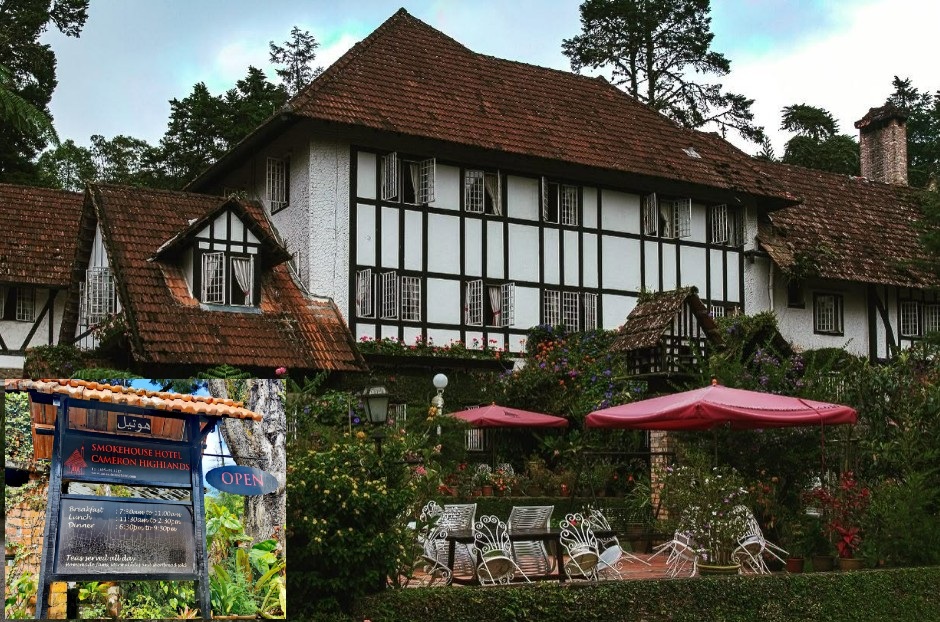
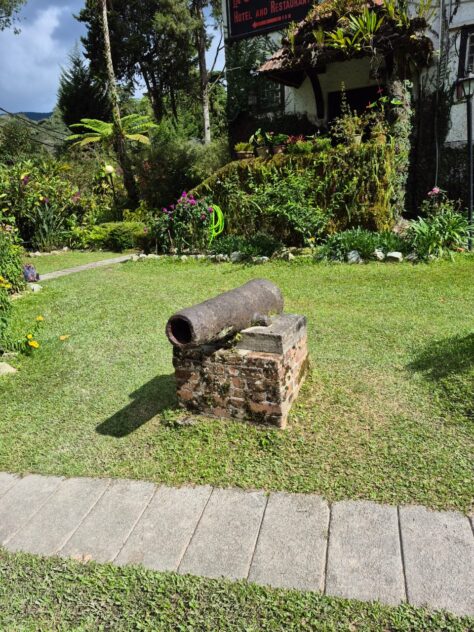
THERE is a rusty cannon on the ground of the Smokehouse Hotel and Restaurant at Tanah Rata in Cameron Highlands and it probably saw active service during the Second World War.
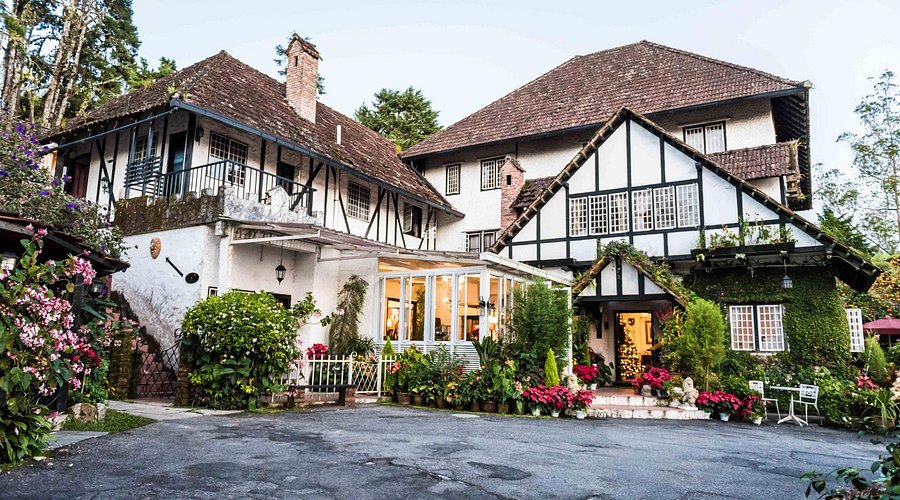
The Tudor-style, half-timbered hotel was built in 1937 to cater largely to British residents, most probably those who were serving in the army or in the colonial administration.
This 89-year-old building stood the test of time and today it still welcomes domestic and foreign tourists come to enjoy its rustic and charming surroundings.
What was it like when the Japanese Imperial Army invaded the then Malaya at the start of the world war in 1941?
According to some reports, as soon as the Japanese saw the hotel, they immediately evicted all the guests to accommodate their high-ranking officers.
A glimpse into yesteryear’s nostalgia
They probably treated the British guests – if there were any – as prisoners of war and had them transferred to an unknown detention centre.
Let’s imagine the scenario as the invaders approached the hotel. By then, the establishment was probably guarded by British soldiers with the lone cannon.
The battle must have been fierce but brief because the place was not bombed or razed. By then, British forces in Malaya had surrendered to Japan and the flag of the rising sun must have been unfurled from the top of the hotel.
For the exhausted troops, they must have celebrated their victory with the popping of champagne or any Japanese wine in an outburst of bacchanalian orgy.
The cowed population, numbering perhaps a few hundred local inhabitants, must have heard of the all-night revelry as they awaited the dawn of a new frightening era.
Besides being a place of relaxation and pleasure, the Smokehouse hotel could have been used as a military command centre for the imperial army.
From here the high-ranking officers could have meticulously planned their next move as they tightened their control over their newly won colony.
Perhaps, the hotel could have doubled up as an administrative centre as well where the locals had to obey whatever laws the new Asian master saw fit to introduce at their whims and fancies.
Did they turn Smokehouse into a chamber of torture? Given the ruthlessness of the Japanese soldiers, it would not be too far-fetched to imagine them tormenting their prisoners in rooms or underground cellars turned into death cells.
Did the soldiers round up villagers in the vicinity for interrogation? Were the victims buried in the surrounding areas in unmarked graves?
The truth may be buried in the ashes of history but what is incontrovertible is that in any war, there are bound to be horrific crimes committed against humanity.
Modern times appeal
Today, Smokehouse, left unscathed after Japan surrendered to the allied forces, is a retreat for holidaymakers seeking peace and respite from the bustle of city life.
Every now and then, buses would disgorge foreign tourists who came to get a feel of old England. For the elderly from UK, they probably were reliving memories of their time in Malaya either as soldiers or colonial officers.
For the aged Japanese visitors, some were probably part of the invasion force who had a whale of a time at Smokehouse. Very likely they knew which room they had stayed after the battle of Cameron Highlands.
You can stroll around the small garden replicating an “olde” English country scene or take a snapshot beside the retired cannon.
View this post on Instagram
How about a taste of British tradition? Then step into the restaurant and order your afternoon English tea served with the hotel’s famed scones eaten with clotted cream and jam.
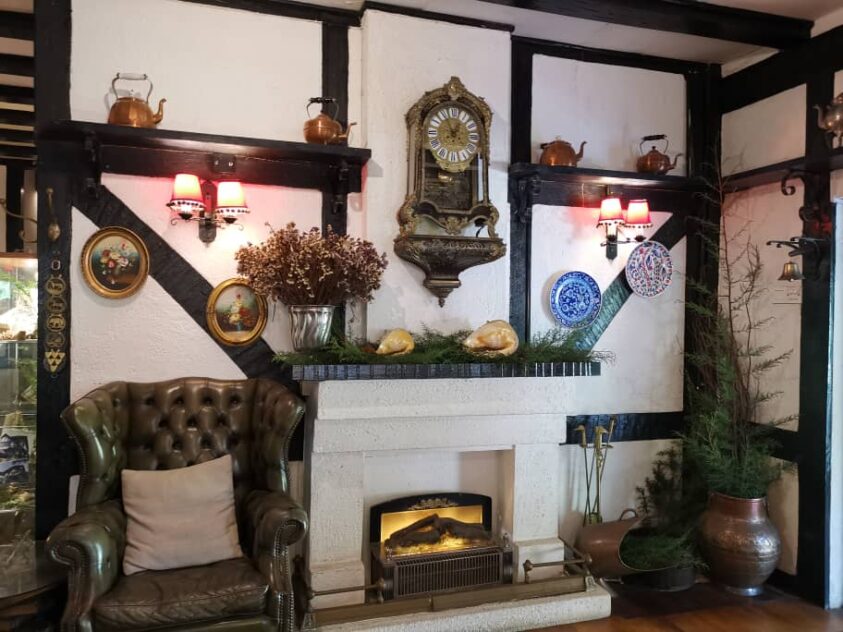
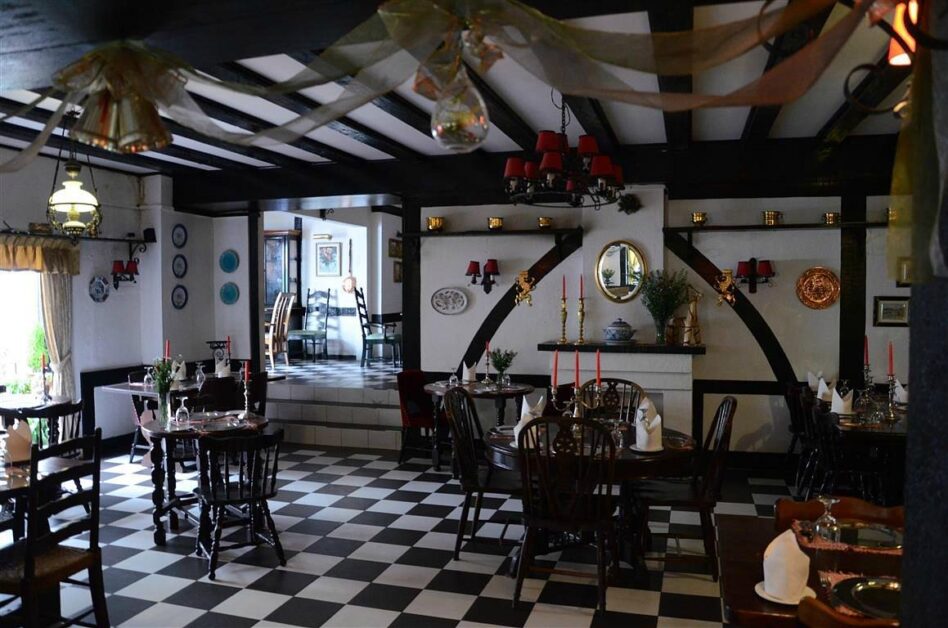
The interior decor has that homey feeling with its antiques, vintage clocks, oil paintings and wooden furniture.
Wonder what the Japanese occupiers had for their afternoon tea. Surely not the scones when they were fighting the British. Perhaps, they had powdered green tea and white rice which were usually part of their war-time ration.
Or for a change, they ate strawberries and drank BOH tea and consumed rice seized from nearby farms.
If you are an avid golfer, you can head to a nearby golf course whose gentle rolling slopes could have been the battlefield that saw the imperial army overwhelmed the outnumbered allies.
Staying overnight? After a tiring trip up the narrow, winding road you may want to unwind in one of the cottage-style rooms and enjoy the cool mountain breeze wafting through the open windows.
And if you imagine that you heard the plaintive cry of someone out there – a lost soul from the Japanese era, perhaps – just cover yourself with the blanket from head to toe. – Oct 24, 2026
Phlip Rodrigues is a retired journalist.
The views expressed are solely of the author and do not necessarily reflect those of Focus Malaysia.
Main image credit: Smokehouse Hotel Cameron Highlands/Facebook