


A STROKE does not always leave someone unconscious, paralysed or unable to speak. A person may remain awake, walking and talking while experiencing sudden numbness or weakness, particularly on one side of the body, difficulty finding words, loss of balance or changes in vision.
These symptoms may be mistaken for tiredness or stress, but even apparently mild symptoms require immediate medical attention. Delays can reduce access to time-sensitive treatment and increase the risk of lasting disability.
According to the Department of Statistics Malaysia (DOSM), stroke of unspecified ischaemic or haemorrhagic type accounted for 2.6% of medically certified deaths in 2024, making it the sixth leading cause of death in that category.
Dr Aaron Lai Kuo Huo, consultant emergency physician at Sunway Medical Centre, Sunway City (SMC), said people often underestimated stroke symptoms when they did not appear severe.
“Many people expect a stroke to look dramatic, but that is not always the case. When symptoms appear mild, many people choose to wait and see if they improve, but these delays can reduce the opportunity for timely assessment and treatment,” he pointed out.
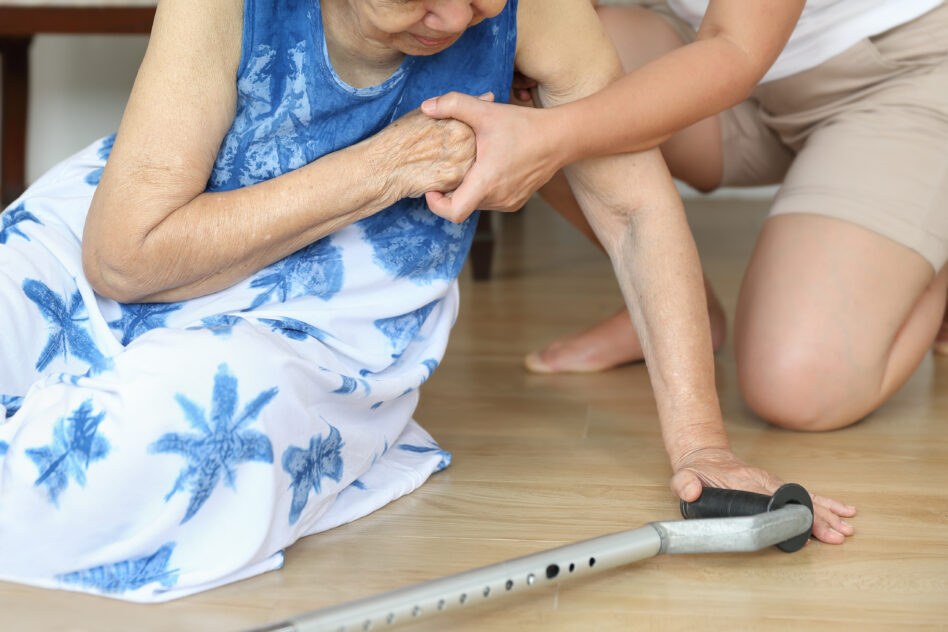
Symptoms that disappear after a few minutes could indicate a transient ischaemic attack (TIA), sometimes called a “mini-stroke”. A TIA is a warning sign that requires urgent medical assessment, even if the person appears to have recovered.
“Even if symptoms improve, urgent medical assessment is still needed,” Dr Lai added.
Recognise the signs and act quickly
The BE FAST acronym helps people recognise possible stroke symptoms: Balance problems, Eyes or sudden vision changes, Face drooping, Arms weakness or numbness, Speech difficulties and Time to seek emergency help.
Dr Lai stressed that a person did not need to experience all these symptoms before seeking help.
“Someone experiencing a stroke may still be able to walk or talk, which is why the condition is sometimes overlooked,” he explained.
“If stroke is suspected, families should call for an ambulance rather than drive the person to hospital themselves where possible. Emergency medical personnel can begin monitoring the patient on the way and alert the hospital to prepare for urgent treatment.”
While waiting for help, families should keep the person safe, follow the emergency dispatcher’s instructions and avoid giving food, drinks or medication unless advised by healthcare professionals.
They should also note when symptoms began or when the person was last known to be well, as this information can influence treatment decisions.
Recovery continues after hospital discharge
While public awareness often focuses on recognising stroke, Dr Lim Swee San, consultant neurosurgeon at SMC, said survivors and their families could underestimate the challenges that remain after discharge.
“Families often judge recovery based on whether someone can walk again. However, stroke can also affect speech, memory, concentration and emotional wellbeing. These difficulties may not always be visible, but they can have a major impact on daily life, work and independence,” he elaborated.
Rehabilitation is an integral part of stroke care. Assessment and planning should begin early, with therapy introduced when the treating team considers it medically safe and appropriate.
Recovery cannot be judged by the size of a stroke alone. The location of the brain injury also matters, as even a smaller stroke affecting an area responsible for a critical function can have a significant impact.

“Recovery is different for every survivor. Two people with a similar stroke may recover very differently. The challenges they face, the rehabilitation they require, and the time needed to recover can vary considerably from person to person,” Dr Lim said.
For some survivors, the goal may be to walk independently again. For others, it may be improving speech, returning to work, managing household responsibilities or resuming activities they enjoy.
“Success should not be measured by comparing one survivor’s recovery with another’s. Progress is best considered against the individual’s own goals and the level of independence they are able to achieve safely and meaningfully in their daily life,” Dr Lim said.
Recovery also involves reducing the risk of another stroke. Follow-up care, taking prescribed medication and managing risk factors such as high blood pressure, diabetes, high cholesterol and smoking remain important after discharge.
A reminder for every family
For Dr Lai and Dr Lim, stroke requires urgency when it strikes and patience during recovery.
Recognising symptoms early can help patients receive timely treatment, while appropriate rehabilitation and follow-up care can support their progress towards greater independence and a meaningful return to daily life. ‒ Oct 27, 2026
Main image: SMC