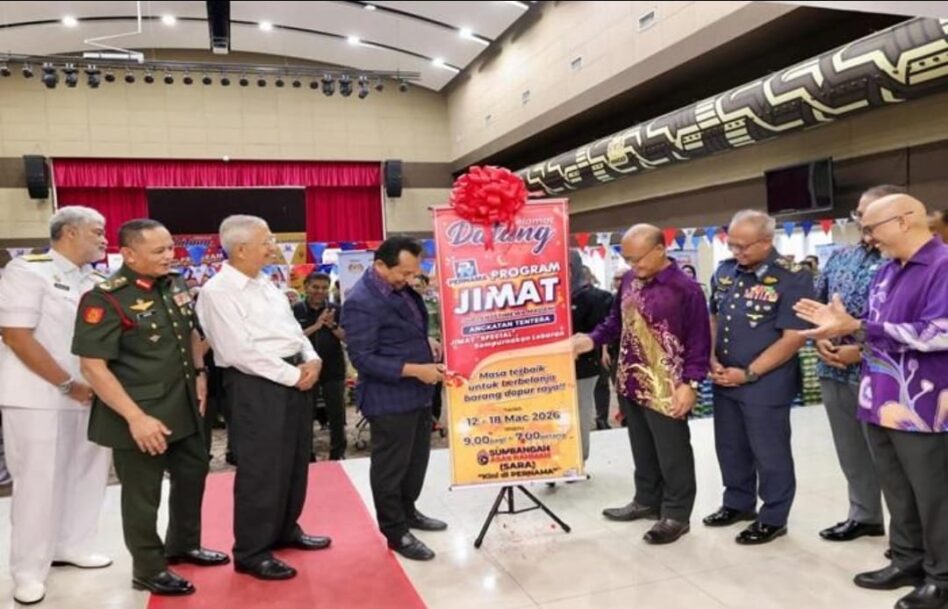

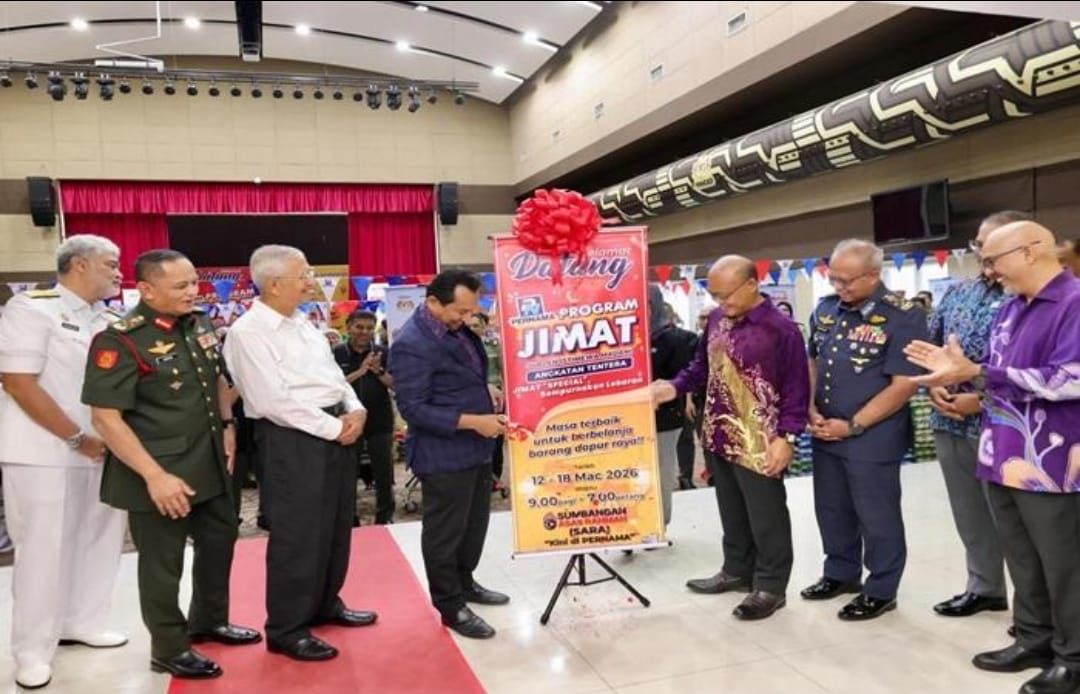
IT is puzzling to learn that the armed forces has decided to stop the sale of duty-free beer at outlets operated by its trading arm, Perbadanan Perwira Niaga Malaysia (PERNAMA), ending a practice that has been in place for more than six decades.
According to media reports, a manager at a PERNAMA outlet, speaking on condition of anonymity, said operators had recently received a directive from the office of the armed forces chief instructing them to cease sales once existing stocks were exhausted.
No reason was given for the decision.
The manager said PERNAMA, which operates about 80 outlets nationwide, had also been instructed not to place fresh orders, which are typically made every six months.
Under current regulations, non-Muslim servicemen and veterans may purchase up to two crates of beer monthly from PERNAMA, with each crate containing 48 cans or bottles.
An ex-serviceman, who also requested anonymity, said beer purchased from PERNAMA was typically about 60% cheaper than at regular retail outlets.
PERNAMA is wholly owned by the Armed Forces Fund Board, a statutory body under the Defence Ministry.
While the decision to stop beer sales has been made, one wonders what prompted the move to end a practice that has continued for more than six decades.
Have there been recent problems associated with the sale of beer that led to this decision? Was it influenced by religious considerations or an attempt to appease certain conservative groups?
Was the decision made through consensus, taking into consideration the rights of all Malaysians under the Federal Constitution?
Veterans have publicly called on the Defence Ministry to provide a clear explanation for the abrupt policy shift. A key point of contention is that the directive was reportedly issued without an official explanation, leaving affected individuals feeling sidelined.
The armed forces comprises people from different ethnic and religious communities, and their diversity should be respected. Decisions affecting them should therefore be made through consultation and consensus.
One of the major weaknesses in addressing alcohol-related issues in the country is the tendency to reduce the discussion to a simplistic divide between Muslims and non-Muslims.
Excessive alcohol consumption is a matter of public concern, with social and cultural implications in a diverse society.
Alcohol consumption among some non-Muslim communities is associated with celebrations, weddings, social gatherings and business activities. These cultural practices should not automatically be dismissed as social ills.
The Muslim community’s position on alcohol consumption is clear, as it is prohibited in Islam. Non-Muslims, meanwhile, have long understood the policies, regulations and laws governing alcohol distribution and consumption in the country.
They are also concerned about the harmful effects of excessive and unregulated alcohol consumption.
Issues of this nature should therefore be handled transparently through dialogue and consensus. This is essential to building a shared understanding of the implications of alcohol abuse in a multiracial and multireligious society.
While approaches to addressing alcohol-related social problems may differ between Muslim and non-Muslim communities, there is a general understanding that issues such as drink-driving and alcohol abuse are harmful and can affect family well-being, public safety and social harmony.
What is needed is dialogue between Muslims and non-Muslims on the dangers of alcohol abuse and how its distribution and consumption can be regulated without undermining the rights of non-Muslims to consume alcohol in moderation, including in accordance with their cultural practices.
Such dialogue, particularly in an interfaith setting, would encourage problem-solving instead of polemics. It would also help communities understand one another’s rights and concerns without allowing any group to dominate issues that require a common understanding.
The Association for Welfare, Community and Dialogue (ACID) therefore urges the authorities to find common ground on the issue of alcohol and avoid reducing it purely to a religious matter.
The rationale behind decisions affecting established practices should also be clearly explained.
Dialogue and consensus are progressive ways of addressing alcohol consumption and distribution in public spaces without creating unnecessary divisions between Muslims and non-Muslims. ‒ Nov 6, 2026
Ronald Benjamin is a human resources practitioner based in Ipoh. He is currently secretary of the Association for Community and Dialogue.
The views expressed are solely of the author and do not necessarily reflect those of Focus Malaysia.
Main image: Berita RTM