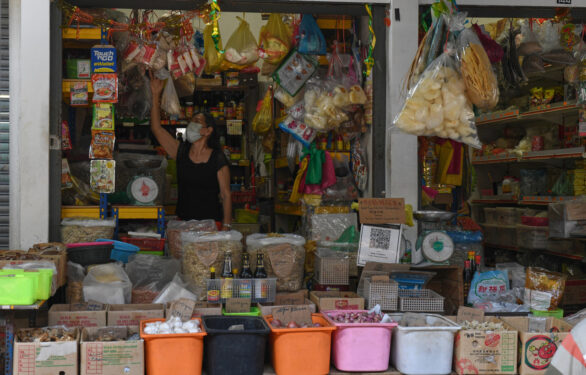

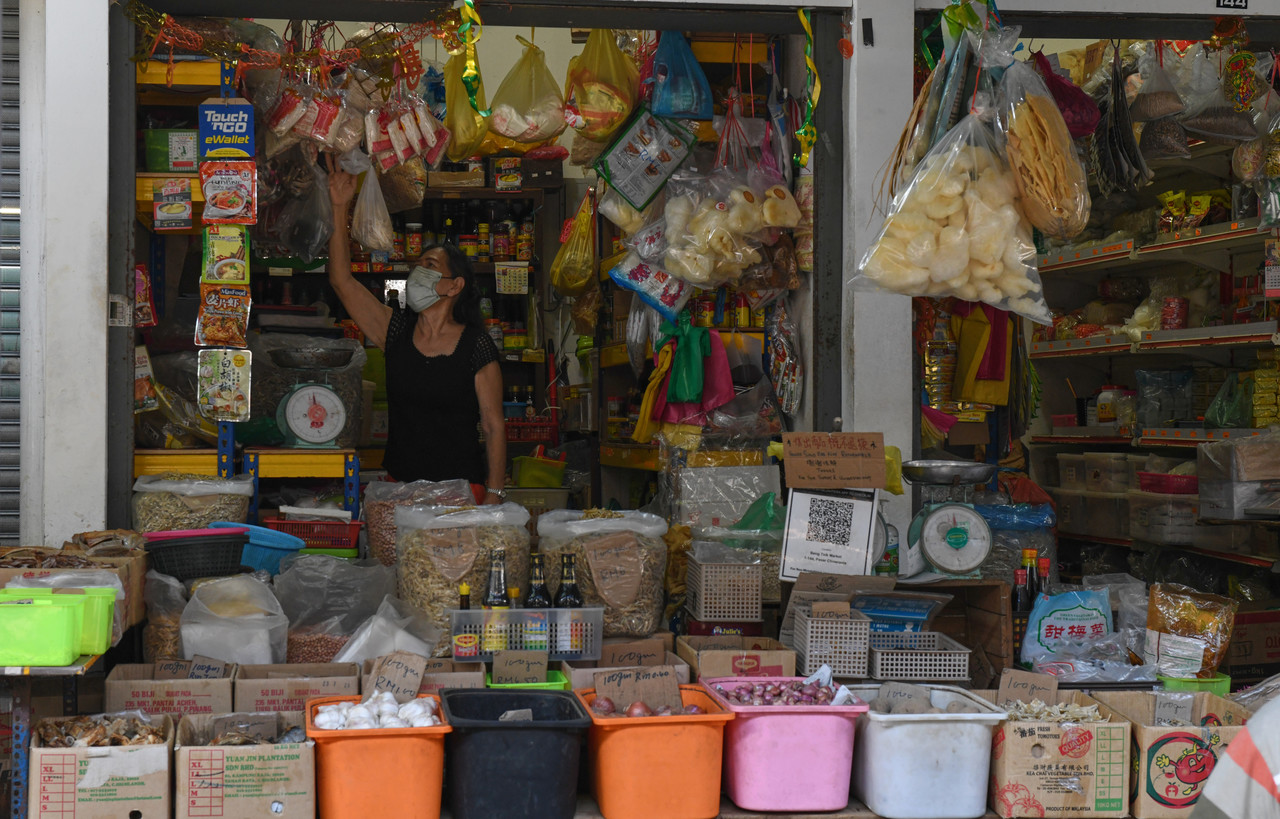
A SMALL business can be busy every day and still struggle to make ends meet. Customers arrive, orders keep coming and sales look encouraging.
Yet after paying suppliers, rent, utilities and other expenses, little may remain. The business is operating, but is it becoming stronger?
This question deserves attention following the tabling of Budget 2027 by Prime Minister Datuk Seri Anwar Ibrahim on Oct 9.
For micro and small entrepreneurs facing financial pressures, government assistance can provide much-needed support but beyond the amount allocated, a more important question is whether today’s assistance can help businesses remain sustainable tomorrow.
Budget 2027 provides RM6.6 bil in microfinancing and RM200 mil under the Sejahtera MADANI grant programme, which aims to help 40,000 recipients, particularly women, obtain equipment and training.
These measures recognise the financial and resource constraints that can prevent entrepreneurs from improving their operations.
For a food seller, better equipment could reduce wastage. For a tailor, an efficient sewing machine could increase production.For a neighbourhood retailer, additional working capital could help maintain inventory. Such improvements matter, particularly when limited resources restrict business development.
But does receiving more capital necessarily make a business financially stronger?
Consider a small restaurant that obtains financing to expand. Sales may increase, but so may operating expenses. Without proper pricing, cost management and cash-flow planning, the owner could end up working harder without earning significantly more.
This illustrates an important distinction: business growth and sustainability are related, but they are not identical. Higher revenue does not automatically translate into greater profitability, while years in operation do not necessarily guarantee financial resilience.
The challenge, therefore, is not simply helping entrepreneurs access financing, but ensuring they can convert it into lasting improvements.
Micro and small businesses also have different needs. A home-based entrepreneur may require basic equipment and practical guidance, while an established retailer may benefit more from inventory management, financial planning or access to new markets.
Assistance becomes more meaningful when it responds to these differences rather than assuming every business faces the same challenges.
Digitalisation offers another example. Technology can simplify transactions, improve inventory monitoring and support business decisions. However, adopting digital tools should not become an achievement in itself.
A retailer accepting digital payments may enjoy greater convenience, but without understanding daily expenses and profit margins, the business may remain financially vulnerable.
Technology creates value when it improves business performance, not merely when it is adopted.
The same principle applies to entrepreneurship training. Someone who has operated a business for 10 years may not need another introductory course on starting one.
Practical guidance on pricing, cash-flow management, cost control and preparing for unexpected disruptions could be more valuable.
This raises an important question for entrepreneurship policy. Financing approvals, equipment distribution and training participation indicate how widely programmes reach entrepreneurs.
But these measures alone cannot establish whether the businesses receiving assistance have become more sustainable.
A stronger assessment would examine what happens afterwards. Have profit margins improved? Are entrepreneurs managing their finances more effectively? Can their businesses withstand weaker demand or unexpected expenses? Are they becoming less dependent on repeated financial assistance?
These questions do not diminish the importance of government support. Rather, they help determine whether public resources are creating lasting economic value.

Sustainability should not, however, be confused with rapid expansion. Not every hawker dreams of opening multiple outlets, and not every home-based entrepreneur wants to build a large company.
For many, success means earning a stable income, supporting their families and operating without constant financial uncertainty.
One practical approach is to complement financing with needs-based mentoring, simple financial management tools and periodic business assessments.
Such support could help entrepreneurs identify operational weaknesses, make better decisions and build resilience beyond the initial assistance period.
Budget 2027 offers an opportunity to strengthen Malaysia’s micro and small enterprises. Its longer-term value should be measured not only by how much assistance is announced, but also by the improvements businesses achieve and sustain.
For the entrepreneur opening the shop tomorrow morning, financial assistance may provide welcome breathing space. But the greater achievement would be building a business where every unexpected expense no longer threatens another month of survival.
The real measure of entrepreneurship support is not simply how many businesses it helps keep open today, but how many become strong enough to face tomorrow with greater confidence. ‒ Nov 9, 2026
The author is a Research Fellow Post Doctorate at the Ungku Aziz Centre for Development Studies (UAC), Universiti Malaya.
The views expressed are solely of the author and do not necessarily reflect those of Focus Malaysia.
Main image: Bernama