
Letter to Editor
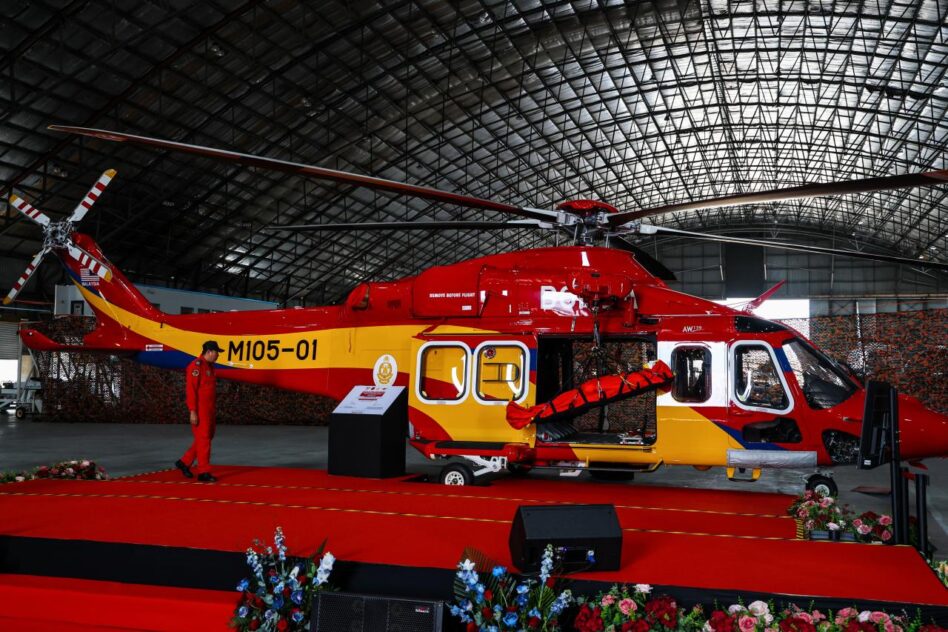
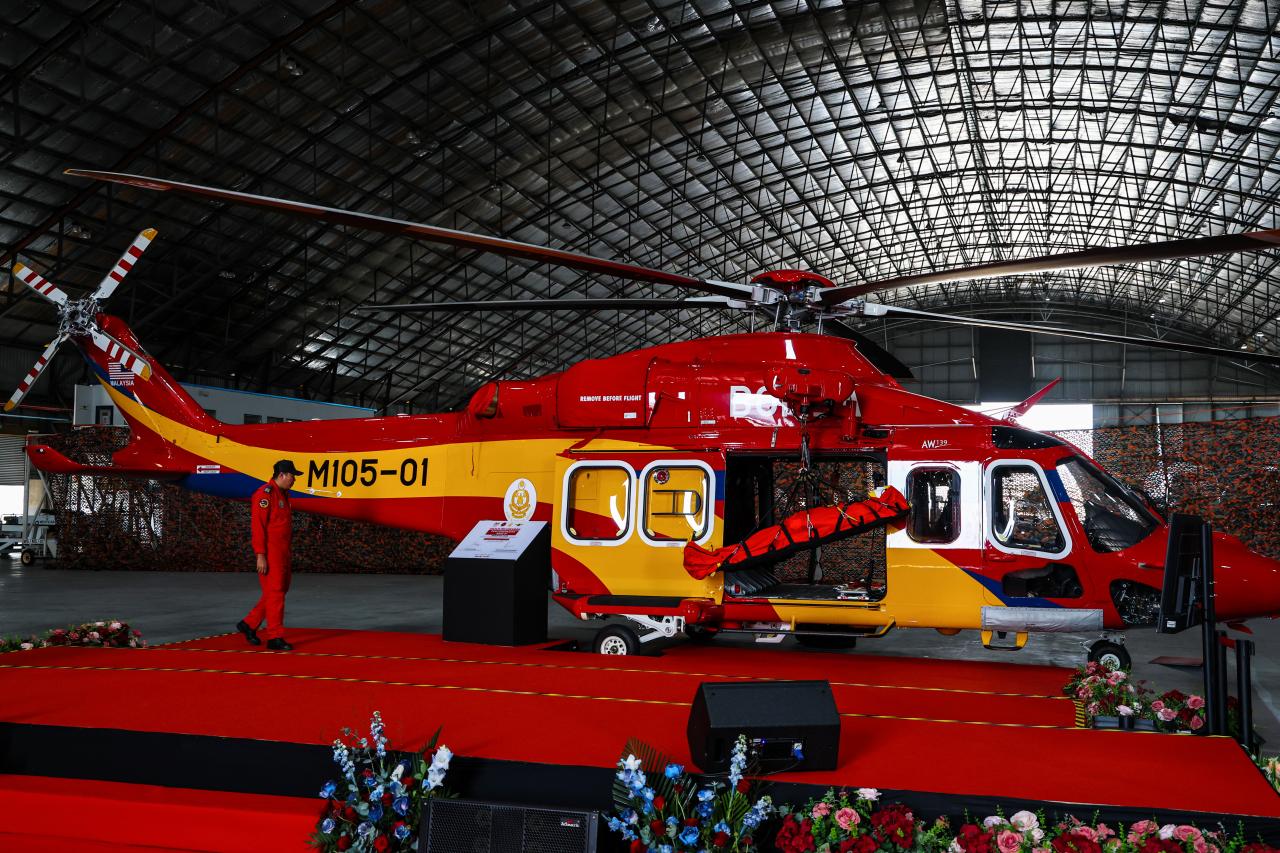
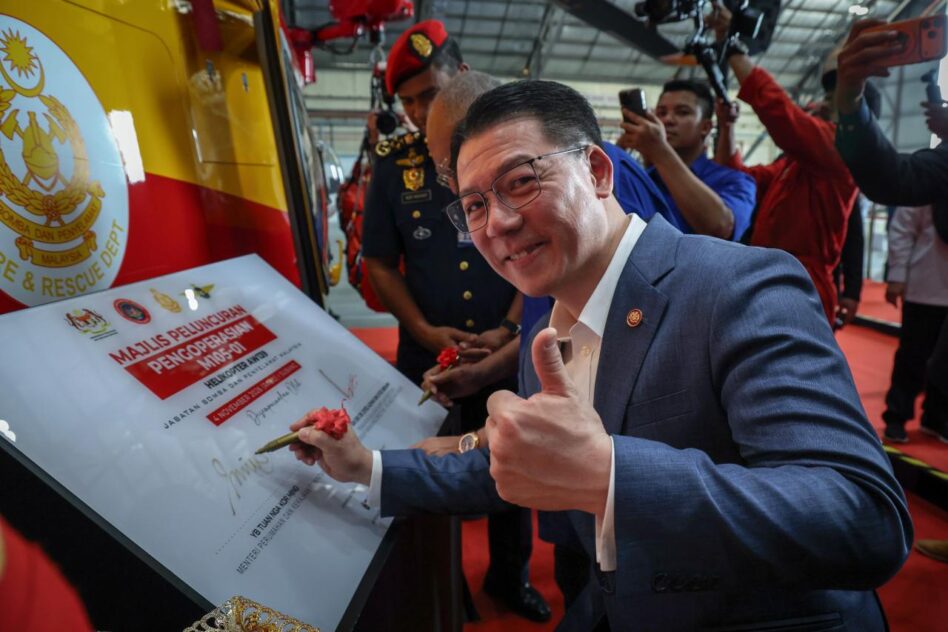
I DO not know whether to laugh or cry when reading the report, “Nga: Govt saves RM3b by leasing 28 helicopters including two AW139 units to JBPM” (Bernama, Nov 4).
Housing and Local Government Minister Nga Kor Ming said the government would save RM3 bil by leasing 28 helicopters for use by government agencies, including two AW139 helicopters for the Fire and Rescue Department (JBPM).
The reported contract value is RM16.546 bil. A parliamentary answer in November 2024 described the arrangement as an 18-year contract, although more recent reports refer to a 15-year leasing period.
The government should clarify the duration and explain how the claimed RM3 billion saving was calculated.
At first glance, the arithmetic invites an obvious question: how can a commitment exceeding RM16 bil be presented as a saving of RM3 bil?
But the comparison must be fair. The package reportedly includes maintenance, repairs and overhaul, spare parts, training, insurance and financing costs, not simply the use of the aircraft.
The relevant comparison is therefore the total cost of leasing against the full cost of buying, operating and maintaining an equivalent fleet over the same period.
It is like paying RM16 for a RM19 product and claiming to have saved RM3. But that analogy only works if the products and services being compared are equivalent.
If I decide not to buy a Rolls-Royce priced at RM6.12 mil and instead purchase a Proton X90 for RM120,000, I cannot reasonably claim to have saved RM6 mil without considering what each vehicle provides.
Buying helicopters outright may appear cheaper, but the government would also have to fund maintenance facilities, spare parts, specialist personnel, training, insurance and periods when aircraft are unavailable for service.
Conversely, a leasing arrangement must be judged on whether the contractor delivers the promised availability and support at a reasonable cost.
There are risks in managing assets in-house, too. Decades ago, I witnessed questionable practices at a motor workshop operated by a government-linked corporate body.
Bus drivers and mechanics allegedly colluded to report functioning gearboxes as faulty. A new gearbox would be recorded as purchased, while a used one was fitted and the removed unit kept for another opportunity.
If such practices sound incredible, consider the theft of two fighter jet engines from the Royal Malaysian Air Force (RMAF).
The General Electric J85-21 engines, used in Northrop F-5E Tiger II aircraft, were reported missing from the RMAF base at Sungai Besi in 2008.
Investigations and subsequent court proceedings revealed the involvement of military personnel and civilian contractors in the removal and disposal of the engines. They were eventually traced to Uruguay, exposing serious weaknesses in asset control and oversight.
Leasing is not new to the federal government. SPANCO began supplying and managing the government’s saloon-car fleet under a 25-year concession that took effect on Jan 1, 1994, and ended on Dec 31, 2018.
A subsequent 15-year concession, effective from July 31, 2022, runs until July 30, 2037.
The current agreement covers the supply, repair, maintenance and management of government vehicles.
Its terms illustrate how leasing can transfer fleet-management responsibilities to a concessionaire, although the government remains responsible for monitoring performance and enforcing contractual obligations.
I entered the car rental and leasing business in Malaysia in 1993, setting it up for a Singapore tour company. Vehicles were bought outright from motor dealers and registered for corporate customers, with ownership retained by our company.
We provided maintenance, road tax and insurance, as well as replacement cars when vehicles were being repaired.
For companies operating large fleets, buying may be cheaper than renting or leasing. But ownership also means taking responsibility for fleet administration, maintenance, insurance and replacement vehicles.
Costs can rise when these functions are poorly managed. Leasing transfers much of that responsibility to the provider, allowing customers to focus on their core operations and offering greater predictability over expenditure.
Ultimately, the success of a leasing arrangement depends on the competence and integrity of both parties. The lessor must deliver reliable assets and services, while the lessee must negotiate a fair contract, monitor performance and enforce its terms.
The government may describe the helicopter arrangement as a saving. But the public deserves a transparent comparison showing how that saving was calculated, what services are included and whether the promised operational readiness will be delivered.
For the lessor, a long-term contract can provide a steady revenue stream. For the lessee, it can offer access to expensive assets without the burden of managing them.
Who gains more depends on the price, the quality of service and how well the contract is enforced. ‒ Nov 9, 2026
YS Chan is a tourism, transport and training consultant.
The views expressed are solely of the author and do not necessarily reflect those of Focus Malaysia.
Main image: Bernama