
A FAMILIAR customer comes back with a bigger contract, orders are growing and the potential profit looks better than before. For many small and medium enterprise (SME) owners, that is exactly the kind of problem they want to have.
Yet it can also be the point at which an arrangement that worked well when the business was smaller begins to carry very different consequences.
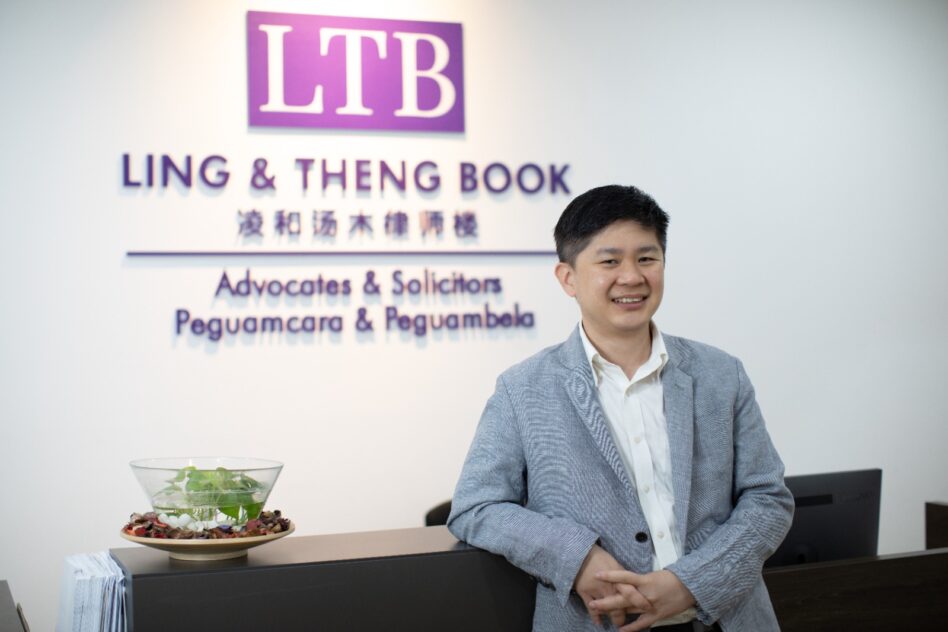
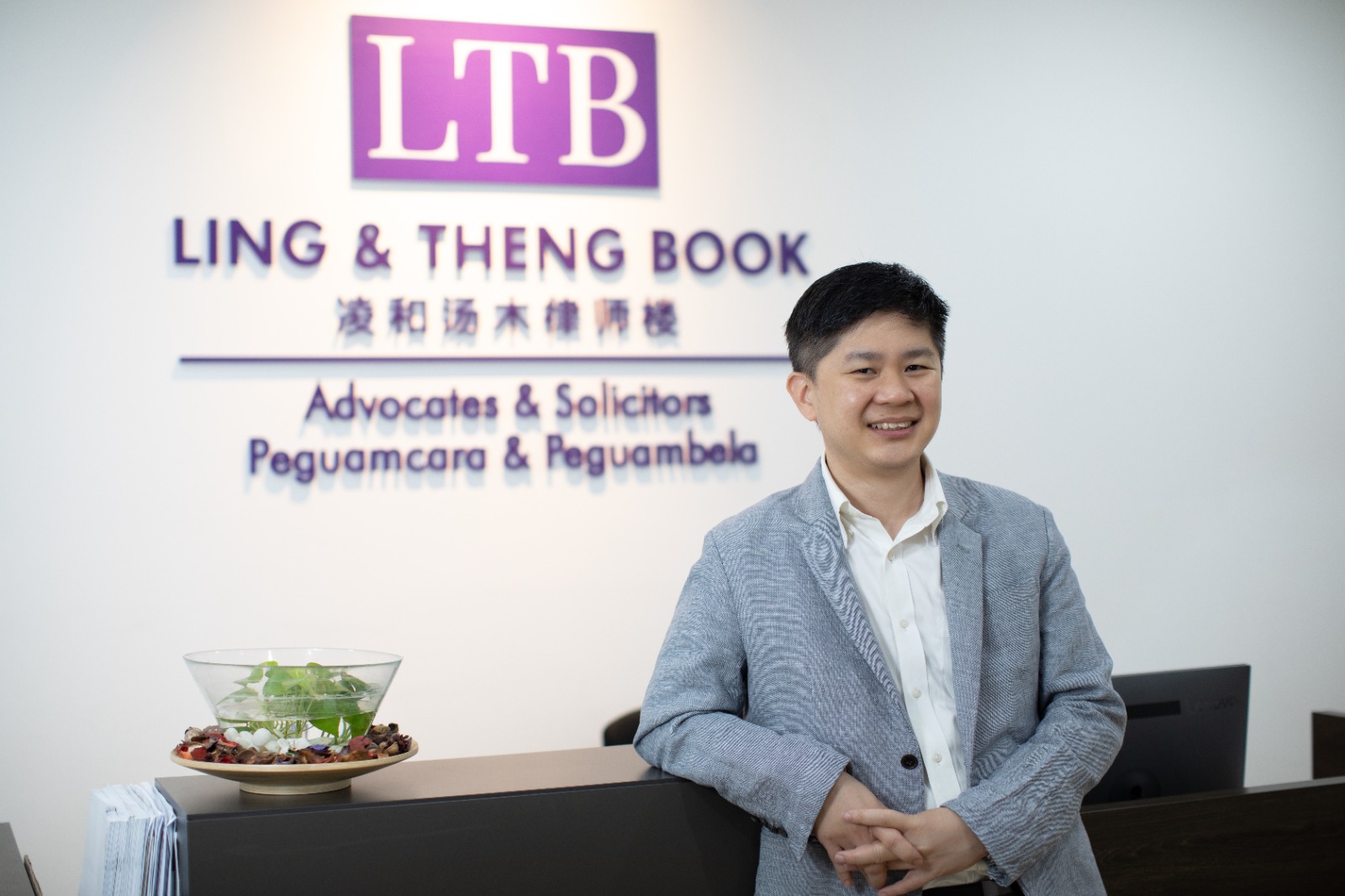
“A larger contract may mean a bigger potential profit, and an owner may think, ‘I have dealt with this customer many times before, so everything should be fine,’” said Tham Chee Fai, legal associate at Ling & Theng Book (LTB).
The danger, he said, is assuming that because the relationship and contract appear familiar, the underlying risk has remained the same.
A smaller contract might be financed internally, while a larger one could require bank financing or even personal assets to be put up as collateral.
If the project then runs into delays or cash-flow problems, the owner could be dealing with financing costs, claims from other stakeholders or exposure involving personal assets.
“That is why contract clauses also need to evolve as the business grows,” Tham said, pointing to provisions such as liability, termination and liquidated damages.
When growth changes the risk

The wider challenge is that businesses today are making bigger decisions in markets that can shift much faster than before.
“The pace of change has become much faster,” Tham observed. A market may become overcrowded, consumer appetite may shift or government policies may alter the commercial outlook.
He points to the bubble tea boom as one example: businesses entering early may have benefited from strong demand, while those arriving near the peak could invest heavily in factories or machinery only to see the trend fade before recovering that investment.
“That speed of change makes long-term investment and growth decisions much harder for SME owners today,” he said.
The same applies to legal risk. When businesses are moving quickly, owners may see contracts and legal checks as something that slows implementation.
But while the customer or agreement may look familiar, the value of the transaction, the financing behind it and the consequences of failure may have changed significantly.
When company debt becomes personal
Financing is one area where this distinction becomes particularly important. Tham said a common misunderstanding among business owners is the difference between what the company owes and what the individual behind it has personally agreed to take on.
In general, a sendirian berhad (Sdn Bhd) is responsible for its own debts rather than those debts automatically becoming the personal obligations of its shareholders or directors.
The complication arises when owners assume this means they can never become personally exposed.
A bank or supplier may require a director or shareholder to sign a personal guarantee or pledge personal property before extending financing or credit terms. If the company later cannot meet its obligations, that personal commitment becomes significant.
“The important point is to understand clearly what belongs to the company and what you are personally agreeing to take on before signing the financing documents,” Tham stressed.
As companies rely on external financing for larger contracts, the consequences can extend beyond the business itself, particularly where family assets such as a home are involved.
Bringing lawyers in earlier
The way businesses use legal advisers is also changing. LTB, which was founded in 1995, has seen clients become more willing to involve lawyers before a problem occurs, whether to negotiate agreements, assess risks or advise on a new venture.
“No lawyer can guarantee an outcome, but involving legal advisers earlier can help reduce the possibility of conflict,” Tham said.
“I often compare it to insurance. You put protection in place hoping you will not need it, but it becomes important when something unexpected happens.”
That thinking reflects how LTB itself was built. Its founders, Datuk Theng Book and the late Ling Voon Yoon, had both worked in other industries before entering legal practice, shaping the view that legal decisions could not be separated neatly from commercial realities.
“That is where having lawyers who understand how a business actually works becomes an advantage,” Tham explained.
“It allows us to look at the legal risk together with the financial and operational impact rather than viewing each issue in isolation.”
A business mindset behind the legal advice
Tham’s own route into law followed a similar path. He began in civil engineering after studying on a scholarship from Gamuda Bhd, later working in property development and on Hamad International Airport in Qatar.
As his responsibilities grew beyond technical work into areas such as finance, sales, human resources and legal matters, he eventually pursued an MBA while working.
“When I presented to a board of directors, they were interested in profitability, market projections and the risks the company was taking, including legal risks,” he recalled.
That experience changed how he approached decision-making. “As I progressed, I realised that business owners have to see the bigger picture, juggle competing priorities, take risks in some areas and put stronger controls in others. I carry that same thinking into legal practice today.”
Agreements need to evolve with the business
Contracts are not the only arrangements that can become outdated as a company grows. Shareholder agreements may also need to change as responsibilities shift, new people join the business or ownership structures evolve.
Succession planning can also be postponed while business is going well. For service businesses in particular, Tham said succession is not simply about who owns the shares, but also about the trust clients have built with a particular individual.
“The business may thrive because clients trust you personally rather than the name on the signboard,” he said.
That trust takes time to transfer, which is why planning for the next stage of the business should begin before the transition becomes urgent.
The lawyer-client relationship is changing

Technology is adding another layer to this shift. Clients increasingly arrive at meetings having already researched the law through online sources and tools such as ChatGPT, but Tham cautioned that an answer is only as useful as the context behind the question.
“If the context provided to AI is incomplete or incorrect, you may receive an answer that sounds right but does not properly apply to the situation,” he remarked.
He expects this to make the relationship between lawyers and clients more collaborative.
Rather than approaching a lawyer only after a problem has emerged, business owners may increasingly work with advisers while the decision itself is still being shaped.
For growing SMEs, that may ultimately be where the role of the business lawyer is heading: less as the person called in once trouble has started, and more as a sounding board while the decisions that create both growth and risk are still being made. ‒ Nov 24, 2026