
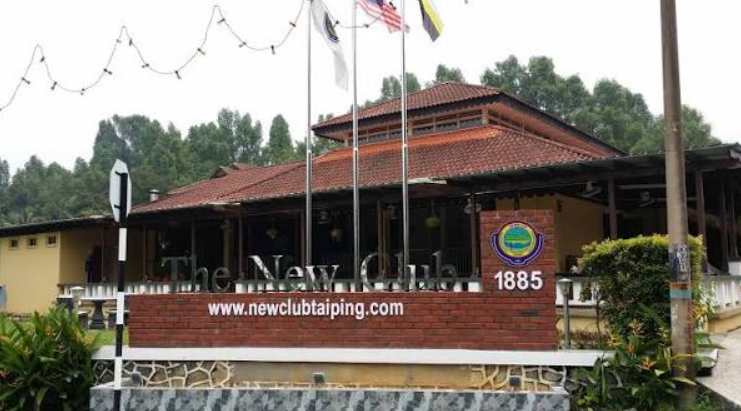
DURING a recent visit to Taiping, an old acquaintance kindly invited my wife and me to lunch at the New Club, one of the country’s oldest social clubs, dating back to the colonial era.
It was a pleasant afternoon of good food and conversation, made all the more enjoyable by the surroundings.
Stepping into the clubhouse, I found myself looking at old photographs and wooden golf clubs displayed on the walls, reminders of a time when Taiping occupied a rather different place in Malaya’s history.
One could imagine British officers and their families gathering there for an afternoon of golf, tennis or a leisurely cup of tea.
Such clubs were familiar institutions throughout the British Empire, providing places for social gatherings and recreation. They also reflected the exclusiveness of colonial society, where access was determined by one’s position and background.
Today, the New Club continues to serve as a gathering place, although the world beyond its walls has changed considerably.
The photographs reminded me that Taiping was once among the most important towns in Malaya.

Its prosperity grew from the tin mining industry, while its administrative importance brought infrastructure and institutions that were remarkably advanced for their time. Indeed, Taiping is often remembered as the town of many firsts.
In 1885, the first railway line in Malaya connected Taiping to Port Weld, now known as Kuala Sepetang, primarily to transport tin for export.
The Perak Museum, established in 1883, became the country’s first museum, while the Taiping Lake Gardens, established in 1880, were among the earliest public gardens in Malaya.
These achievements reflected a town helping to shape the development of a country still taking form.
One historical milestone particularly close to my own profession concerns the introduction of X-ray technology.
In February 1897, barely two years after Wilhelm Conrad Röntgen’s discovery of X-rays in Germany, the technology was demonstrated in Taiping. Historical accounts describe it as among the earliest such demonstrations in Asia.
There is even a curious story about a pomfret fish being used for an early radiographic demonstration, its skeletal structure revealed by a technology that must have seemed almost miraculous at the time.
As someone who has spent much of his professional life in medical physics and medical imaging, I find this episode especially fascinating.
Today, X-ray imaging is so familiar that we seldom think about the astonishment it must have inspired when it first appeared.
Yet here was Taiping, a town in the Malay Peninsula, participating in the early history of a technology that would eventually transform medicine throughout the world.
Looking back at these achievements, it is easy to understand why Taiping takes pride in its many firsts. They represent a period when the town stood at the forefront of economic activity, infrastructure and technological development.
But they also invite an interesting reflection: what happens to a place when the centres of progress move elsewhere?
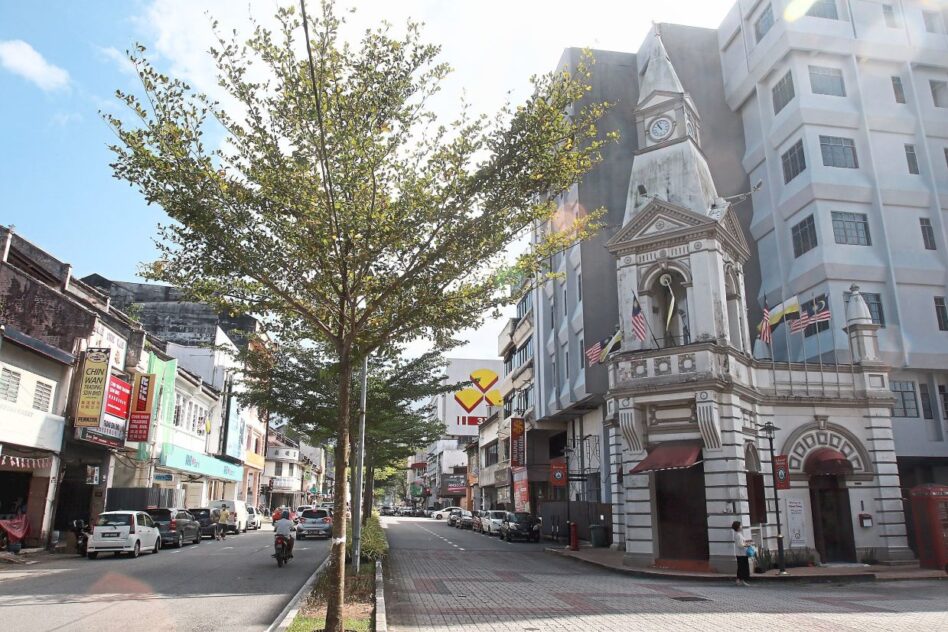
Over the decades, other towns and cities have grown into major centres of commerce, education and industry. Taiping no longer occupies the same position it once held in the country’s development. Yet walking outside the New Club after lunch, I found little reason to regard this as a loss.
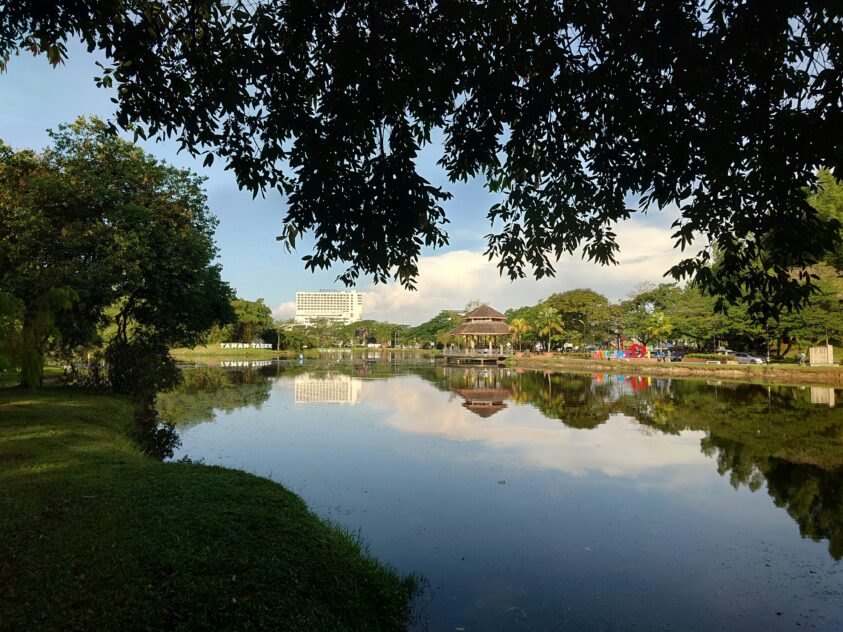
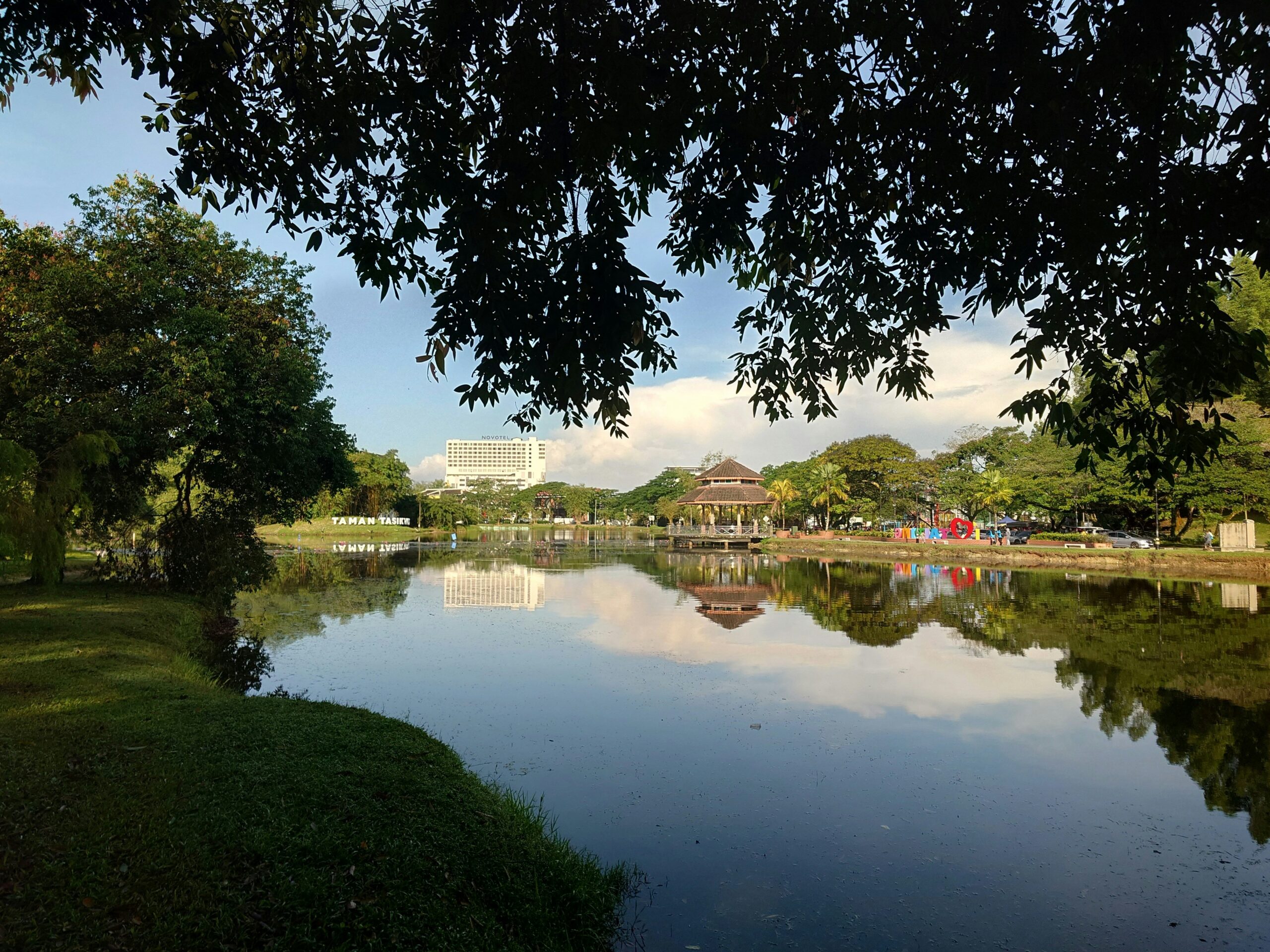
Nearby, the Taiping Lake Gardens stretched beneath the magnificent rain trees for which the town is so well known.
Their long branches extended gracefully towards the water, while the greenery and gentle breeze created an atmosphere quite different from the hurried pace of larger cities.
With Bukit Larut, formerly known as Maxwell Hill, rising in the distance, the landscape seemed almost indifferent to the passing of generations.
What struck me was how comfortably the town appeared to live with its history. Its old buildings, established institutions and familiar landscapes had not disappeared simply because Taiping was no longer at the centre of national development.
They remained part of everyday life, appreciated by residents and visitors for reasons that had little to do with being first.
Perhaps we have become too accustomed to measuring the importance of places through growth, rankings and new achievements. Cities compete to attract investment, construct taller buildings and develop increasingly sophisticated infrastructure.
These ambitions are understandable, but there is also value in recognising what a place already possesses, particularly when those qualities become increasingly difficult to find elsewhere.
Taiping’s Lake Gardens, for example, are not valuable merely because they were among the first of their kind. Generations of people have walked beneath their trees, enjoyed their surroundings and found opportunities for recreation and companionship.
Their significance has grown through continued use and appreciation, rather than through the pursuit of another record.
As our lunch came to an end, I thought again about the photographs and old golf clubs inside the New Club. They belonged to an earlier chapter of Taiping’s story, one filled with ambition, prosperity and change.
Outside, the rain trees continued to spread their branches over the lake, offering shade to people who may have little knowledge of the town’s historical achievements.
There was something reassuring about that contrast. Taiping has already earned its place in the country’s history, and it continues to offer pleasures that cannot easily be measured by economic figures or development rankings.
Perhaps one of the privileges of growing older, whether for a person or a town, is discovering that significance need not always come from being at the forefront of something new.
Taiping was once celebrated for leading the way. Today, it can be appreciated simply for what it has become. ‒ Nov 26, 2026
The author is an Emeritus Professor of Biomedical Imaging at the Faculty of Medicine, Universiti Malaya.
The views expressed are solely of the author and do not necessarily reflect those of Focus Malaysia.
Main image: Unsplash/Zheng Yuan Lee