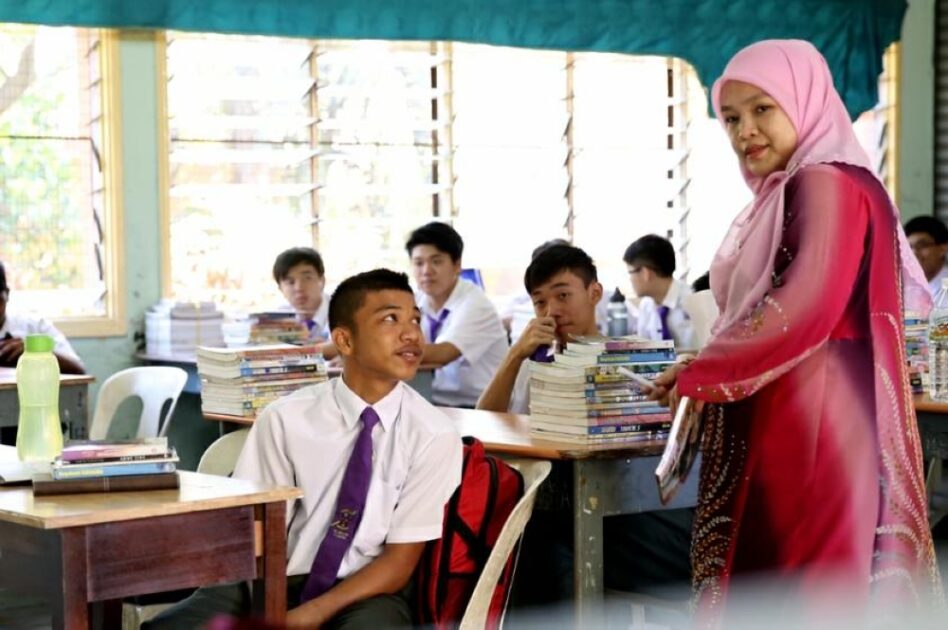

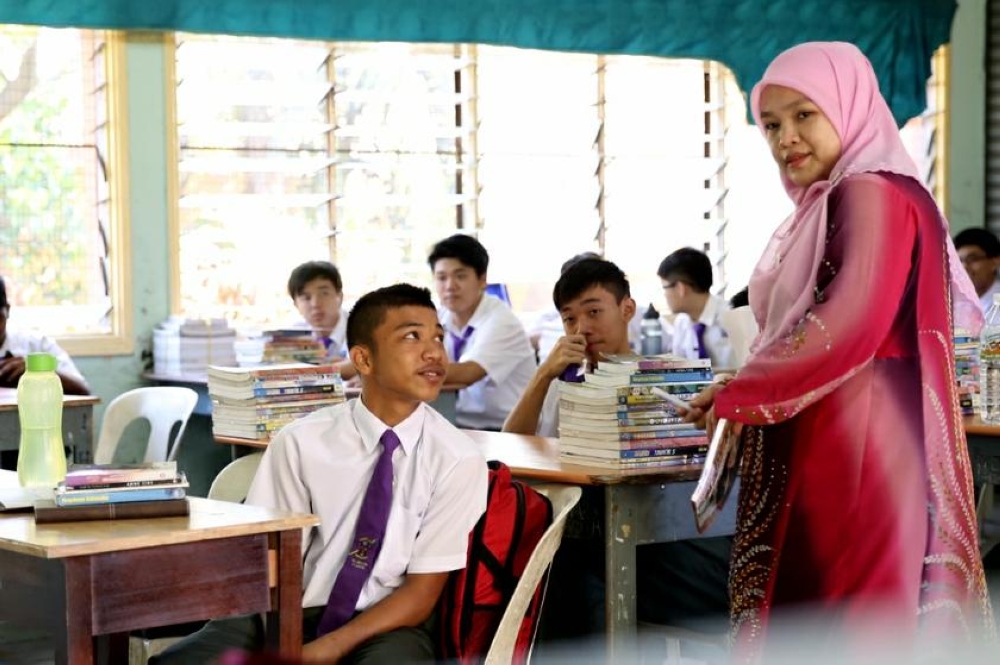
MALAYSIA has a paradox in its education system. History is compulsory, examined and repeatedly emphasised as essential to nation-building, yet many young Malaysians may emerge from school knowing how to pass History without necessarily understanding history.
That distinction matters.
A student can memorise dates, names, events and prescribed explanations, reproduce them in an examination and obtain a good grade.
But if, afterwards, the student cannot distinguish historical evidence from hearsay or recognise fabricated and distorted accounts of the past, what exactly have we achieved?
History cannot be reduced to an examination subject. It has to become an intellectual and civic habit.
This is particularly urgent because social media has democratised the production of historical narratives. Anyone can present themselves as an authority, selectively quote documents, reinterpret events or construct an attractive story and distribute it to thousands of people.
The problem is not that Malaysians disagree about history. Disagreement is inevitable and, within limits, healthy.
The real danger arises when opinion is presented as fact, speculation as evidence and political mythology as history.
Young Malaysians who have learned history mainly through memorisation may have few tools with which to evaluate competing claims.
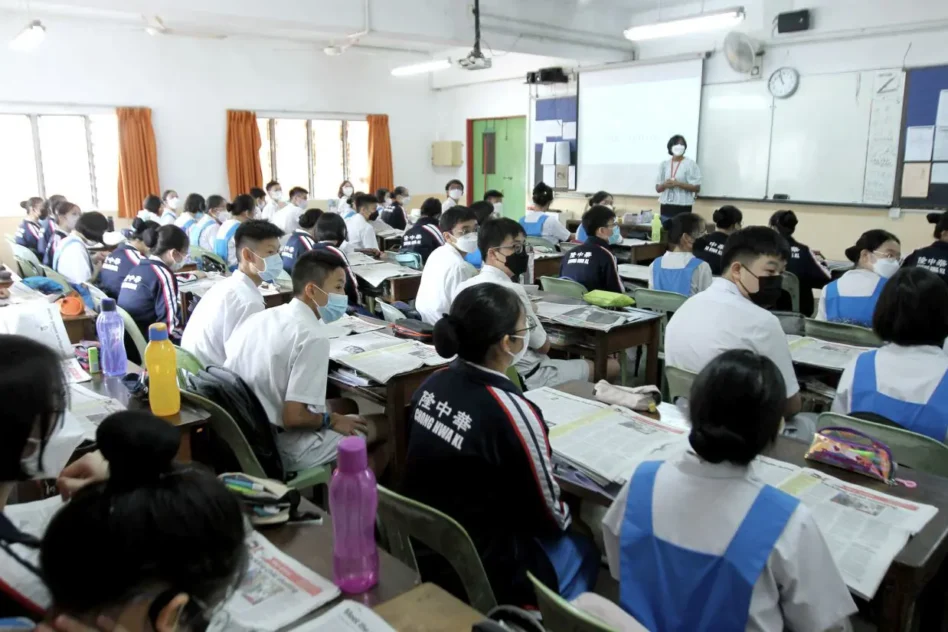
The answer is not for the Education Ministry (MOE) to impose another rigid version of history. Instead, it should teach students how historical knowledge is established.
Imagine a history lesson presenting three different accounts of the same event. Students could be asked:
What does each source actually say? Who produced it and when? What evidence supports its claims? What information might be missing? Are the accounts contradictory, or are they simply different perspectives? Which parts are established facts and which are interpretations?
Such questions would transform History from a subject of memorisation into a subject of investigation.
Change the examination, not merely the textbook
If the MOE wants students to think historically, it must change what examinations reward.
As long as examinations primarily reward the reproduction of predetermined information, students and teachers will understandably concentrate on examination preparation.
Why should we be surprised when students memorise history if the system rewards memorisation? Examinations should increasingly test source analysis, evidence, reasoning, chronology, causation and comparison of interpretations.
A student should be able to write:
“The evidence establishes this, historian A interprets it this way, historian B offers another interpretation, and this particular question remains contested.”
That is not weakness or confusion. It is historical maturity.
Build an evidence-based national history
The MOE could establish a permanent National Historical Evidence Council involving historians, archaeologists, archivists, educators and scholars from different regions and disciplines.
Its purpose should not be to decide which political interpretation Malaysians must accept, but to ensure that important claims taught in schools can be traced to reliable evidence.
Malaysia possesses an enormous historical record of archives, newspapers, treaties, government documents, photographs, oral histories, archaeological discoveries, parliamentary records and personal accounts.
Why should these remain largely the preserve of academics?
Textbooks could contain QR codes allowing students to examine original evidence behind significant historical claims.
Instead of simply reading about an important document, students could see it. Instead of merely being told that an event occurred, they could examine photographs, contemporary newspaper reports and eyewitness accounts.
They would begin to understand a crucial distinction:
History is not simply what somebody tells us happened. It is an attempt to reconstruct what happened from evidence.
One Malaysia, many experiences
Malaysian history should not become a competition between ethnic histories.
The Malay experience is part of Malaysian history. So are the experiences of Chinese and Indian communities, Orang Asli, Sabahans, Sarawakians and the many other communities that have contributed to the country’s development.
The history of Malaysia is the story of their interactions. It includes cooperation and conflict, migration and settlement, colonialism and resistance, economic development and inequality, independence and nation-building, constitutional compromises and subsequent political changes.
A genuinely national history does not require Malaysians to pretend difficult events never happened. Nor should it encourage one community to feel permanently guilty or another permanently victimised.
It should allow young Malaysians to confront the past honestly and ask what lessons it offers for the future.
From historical consumers to historical citizens
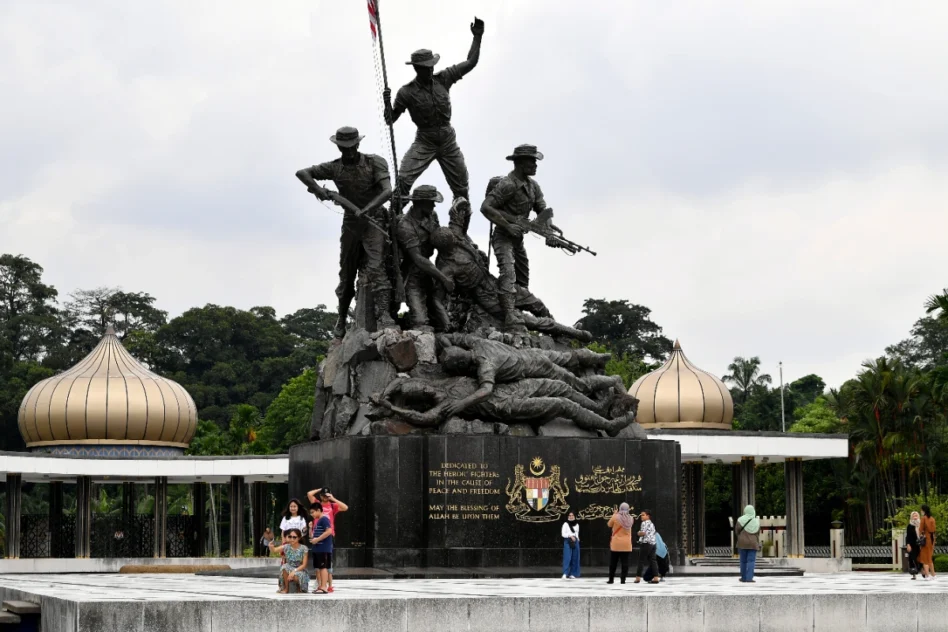
Malaysia needs citizens who can encounter a sensational historical claim on TikTok, Facebook or WhatsApp and instinctively ask:
“Where is the evidence?”
That question could be more valuable than memorising another examination paragraph.
The MOE cannot prevent every historical falsehood from appearing online. It can, however, educate a generation equipped to evaluate such claims.
The forthcoming curriculum reforms provide an opportunity to reconsider what History education should achieve.
Do we want students who remember, or citizens who understand? Do we want them merely to reproduce an official narrative, or to possess the confidence to examine evidence, question claims and reach reasoned conclusions?
History is not merely about the past. It is about how a society understands itself.
If Malaysians learn history only to pass an examination and forget it afterwards, we have taught a subject but not created historical consciousness.
If they learn to investigate evidence, understand different experiences, recognise misinformation and appreciate the complexity of their shared national journey, History can fulfil its real purpose.
History cannot be passed in an examination and forgotten. It must be understood, questioned and carried responsibly into the future. ‒ Sept 30, 2026
KT Maran is a Focus Malaysia reader.
The views expressed are solely of the author and do not necessarily reflect those of Focus Malaysia.
Main image: Malay Mail