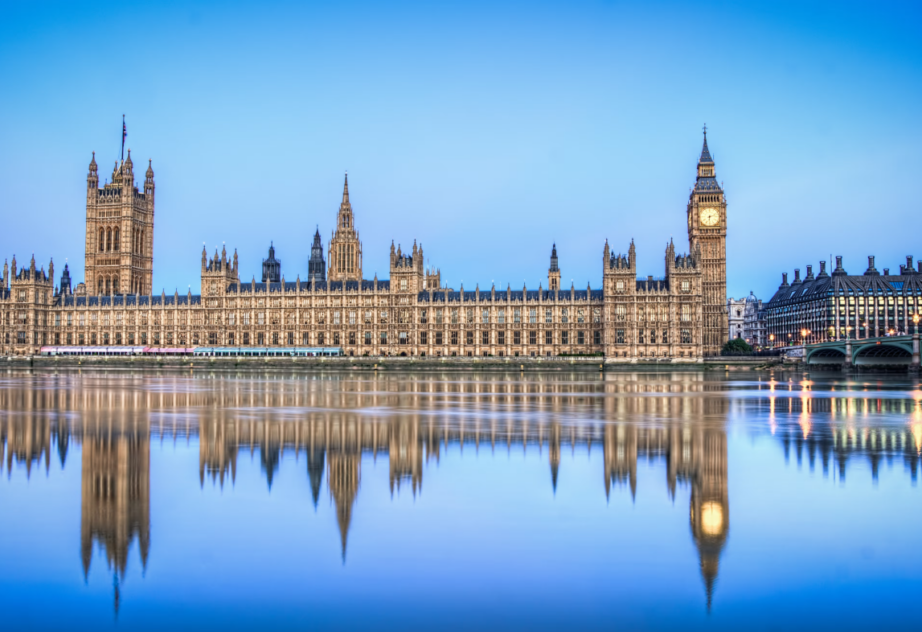

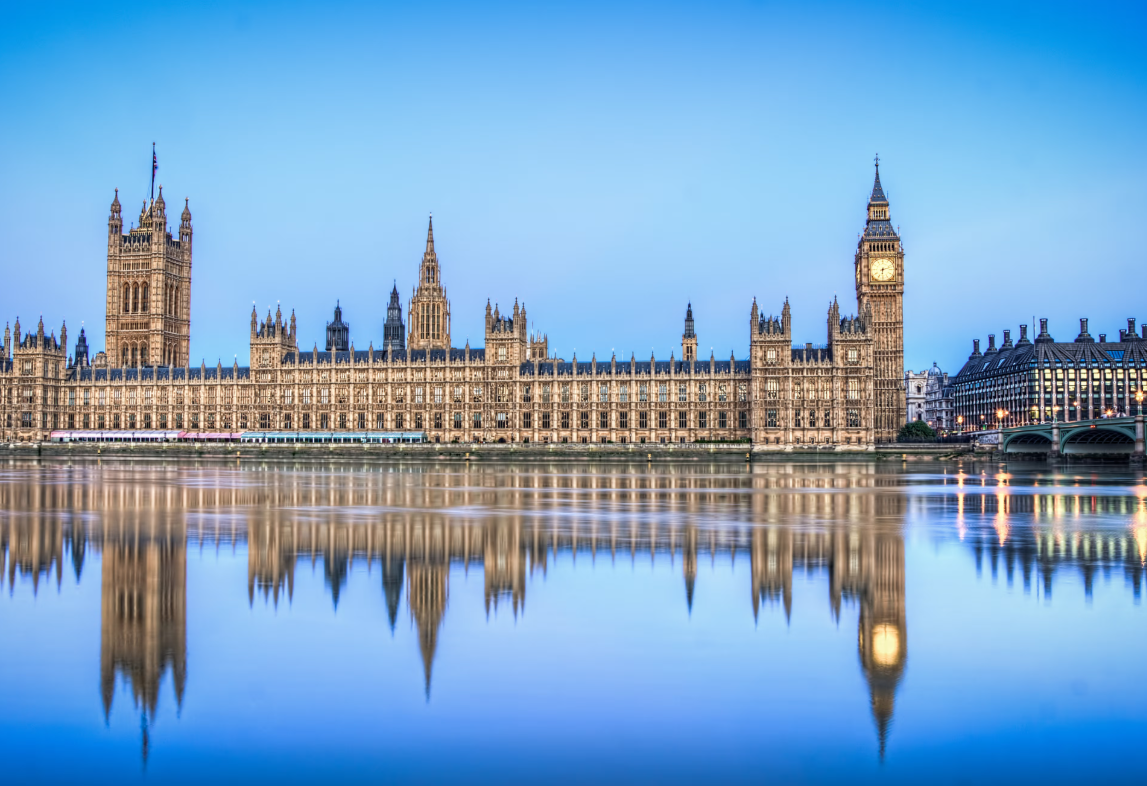
THE coordinated call by nationalist leaders in Wales, Scotland and Northern Ireland for constitutional change represents more than another chapter in Britain’s long-running devolution debate.
The Cardiff declaration signals a deeper question: can the United Kingdom continue to function as a stable multinational union when political authority, national identity and constitutional expectations are increasingly diverging?
The September 2026 pact is significant because Wales, Scotland and Northern Ireland are no longer approaching Westminster separately.
Leaders of Plaid Cymru, the Scottish National Party (SNP) and Sinn Féin jointly called on the British government to prepare for constitutional change and argued that the people of each jurisdiction should determine their own political future.
The summit was intended to demonstrate cooperation among the UK’s Celtic nations, although their constitutional circumstances and political objectives remain substantially different.
The immediate explanation lies in dissatisfaction over the distribution of political power. Devolution created legislatures and governments in Scotland, Wales and Northern Ireland, but ultimate constitutional authority remains with Westminster.
The resulting tension is structural: devolved governments increasingly exercise substantial domestic powers while the UK Parliament retains constitutional sovereignty.

Scotland’s independence debate is the most advanced, following the 2014 referendum and continuing demands for another vote. Wales has historically shown lower support for independence, but Plaid Cymru has increasingly sought powers comparable to Scotland’s.
Northern Ireland occupies a different constitutional position because its future is tied to the principle of consent under the 1998 Good Friday Agreement, which provides a legal pathway for a referendum on Irish reunification under specified circumstances.
The Cardiff declaration should not be dismissed as nationalism alone. It reflects competing perceptions of democratic legitimacy, representation, economic distribution and the appropriate balance between central and territorial government.
The implications extend beyond Britain because the UK remains an important Commonwealth member.
Today’s Commonwealth is a voluntary association of 56 sovereign and equal states rather than an extension of British power, although the British monarch continues to serve as its symbolic Head.
A prolonged British constitutional crisis could therefore have wider consequences. London’s diplomatic attention could become increasingly absorbed by domestic constitutional negotiations.
The Commonwealth could eventually face difficult questions about representation should the UK’s territorial structure change.
More broadly, the episode reinforces the organisation’s post-imperial character by demonstrating that constitutional identity and sovereignty are not uniquely British questions.
Importantly, the Commonwealth Charter emphasises democracy, the rule of law, consultation and sovereign equality, giving the organisation an institutional vocabulary for navigating constitutional change without taking sides over any state’s territorial future.
For Malaysia, the lesson is especially relevant because Malaysia is itself a federation. Yet Britain’s experience cannot simply be transplanted onto Malaysia.
Malaysia’s constitutional structure emerged from a distinct historical settlement involving Malaya, Sabah and Sarawak, while the UK evolved through successive unions followed by devolution. Their constitutional foundations are fundamentally different.
Nevertheless, Britain’s experience highlights a central federal question: how much political, fiscal and administrative autonomy can constituent territories exercise before demands for greater sovereignty become politically unavoidable?
That question resonates with Sabah and Sarawak. The British experience suggests that federal stability depends not only on the formal allocation of powers, but also on perceptions of fairness, representation, resource distribution and respect for territorial identities.
The implementation of federal-state arrangements, including the constitutional position of Sabah and Sarawak, therefore remains an important component of Malaysia’s long-term cohesion.
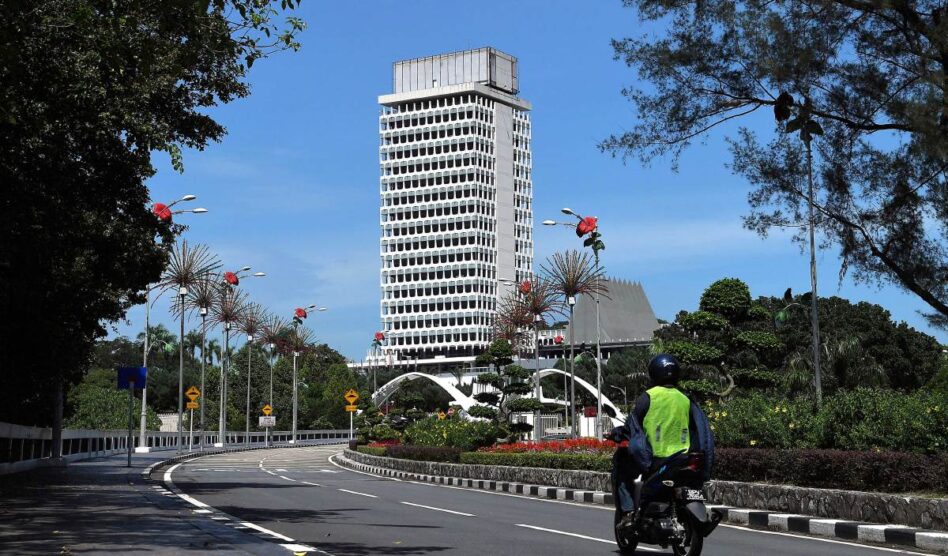
There is also a practical Malaysia-UK dimension. Bilateral relations extend well beyond the Commonwealth, encompassing trade, investment, education, legal services, digitalisation, clean energy and security.
The UK is now a fellow member of the Comprehensive and Progressive Agreement for Trans-Pacific Partnership (CPTPP), while negotiations on a Malaysia-UK Digital Trade Agreement began in 2026.
Security cooperation deserves particular attention. Britain remains a member of the Five Power Defence Arrangements (FPDA) alongside Malaysia, Singapore, Australia and New Zealand.
Although Britain’s treaty commitments remain intact, prolonged domestic constitutional pressures could affect political attention, defence priorities and resource allocation over time.
Malaysia’s response should therefore be neither alarm nor complacency. Instead, it should strengthen institutional resilience: deepening ASEAN-centred diplomacy, diversifying economic and security partnerships, maintaining constructive ties with Britain, and ensuring that federal arrangements remain responsive and credible.
Britain’s constitutional uncertainty ultimately offers Malaysia a broader lesson about federalism itself.
A federation or multinational union survives not simply because constitutional documents say it should, but because its constituent territories continue to regard the political bargain as legitimate, workable and responsive.
Britain’s debate may be unfolding in Westminster, but the questions it raises about federal resilience will resonate well beyond the United Kingdom. ‒ Sept 25, 2026
R. Paneir Selvam is Principal Consultant at Arunachala Research & Consultancy Sdn Bhd (ARRESCON), a think tank specialising in strategic national and geopolitical analysis.
The views expressed are solely of the author and do not necessarily reflect those of Focus Malaysia.
Main image: