
WHEN Prime Minister Datuk Seri Anwar Ibrahim tabled Budget 2026 on Oct 10, one theme stood out clearly: the Madani government is determined to ease the people’s burden amid rising living costs. This commitment extends not just to the rural community but also the urban poor.
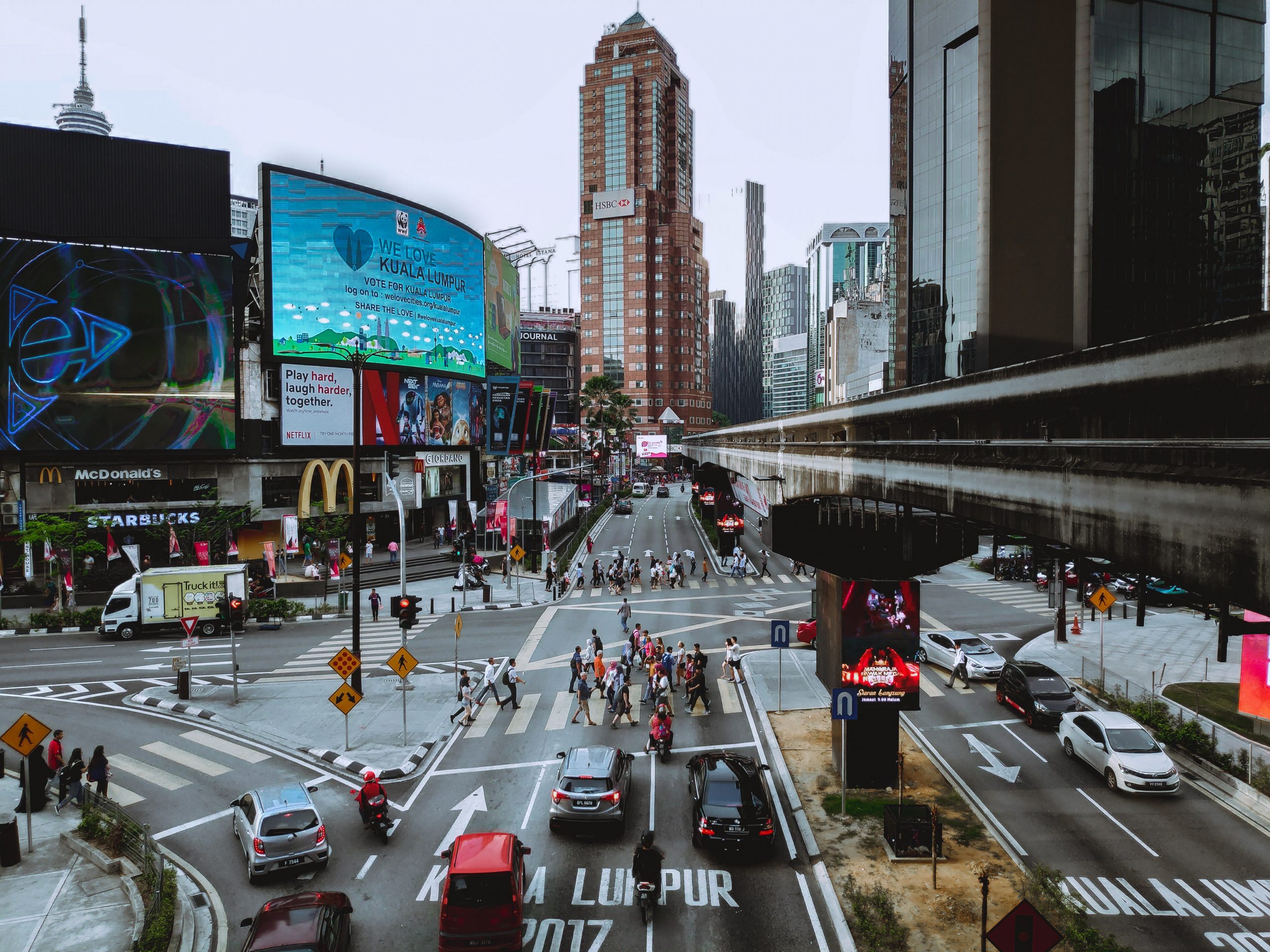
For many in densely-populated areas like Bukit Bintang, where I am actively involved in community work, high rent, transport costs and cramped living conditions are part of daily life. Many of the measures in this budget offer welcome relief.
For example, the Sumbangan Tunai Rahmah (STR) and Sumbangan Asas Rahmah (SARA) will thankfully continue next year, providing relief to many struggling households. Beyond these, Budget 2026 also introduces a series of measures aimed at easing urban pressures.
Among the most relevant measures include converting PTPTN loans to scholarships for the poor. On housing, the government will set aside RM672 mil for Program Residensi Rakyat and Rumah Mesra Rakyat, RM143 mil to maintain low and medium-cost flats including lift replacement, and RM500 mil to repair or rebuild 3,300 dilapidated homes.
A special 10% tax deduction, capped at RM10 mil, encourages the conversion of underused commercial buildings into homes, which matters in land-tight cities.
On transport, the budget improves reliability and the first-last mile that punishes low-income commuters. There is RM1 bil to add 26 trains on the Kelana Jaya LRT line, support for more stage buses and routes, and a planned scale-up of on-demand DRT vans.
The MyRailLife pass continues to give free KTM Komuter and DMU rides to students and persons with disabilities, reducing recurring costs for families.
Yet, while Budget 2026 addresses many immediate pain points, the reality is that urban poverty requires more than short-term aid. A family receiving monthly assistance today may still be caught in the same housing and income trap next year if structural gaps are left unaddressed.
These gaps are visible across Greater KL, including in Bukit Bintang. If we are serious about breaking the cycle, structural reforms should run parallel to the cash transfers, targeted subsidies and band-aid approaches.
What struggling families in cities like Kuala Lumpur need are long-term pathways out of poverty. This means more opportunities, better living conditions and a city that works for everyone.
Education remains the most powerful tool to break the poverty cycle. Urban communities need greater access to affordable early childhood education and skills-based programmes that prepare young people for the digital and service economy.
Targeted scholarships for B40 students in cities, together with community-based tuition or mentorship schemes, can make a lasting difference in keeping children from low-income families in school and out of the poverty trap.
A conducive living environment is just as critical. Many low-cost flats are in a state of disrepair, with broken lifts, unsafe corridors and poor waste management. These are not just aesthetic issues—they affect dignity and safety.
The proposed Urban Renewal Bill can be a game-changer if it ensures that redevelopment benefits existing residents rather than displacing them.
Digital inclusion must also be a policy priority. Free or low-cost community Wi-Fi, device-lending schemes for students and digital service counters in public spaces like malls or LRT stations can help close the gap.
For many urban poor households, connectivity is no longer a luxury—it is the gateway to education, employment and access to government aid.
Budget 2026 is therefore a step in the right direction, but it is also a reminder that financial transfers alone cannot build equity. The government deserves credit for widening its safety net, yet the next phase must focus on structural reforms that make those safety nets less necessary over time.
For residents in Bukit Bintang and other dense urban communities, real progress will come not only when aid arrives on time, but when the city itself becomes more liveable, affordable and dignified.
Budget 2026 has opened the door. It is now up to all of us to make sure it leads somewhere lasting. ‒ Oct 23, 2025
Ben Fong Kok Seng is the chairperson of the Bukit Bintang Parliamentary Zone Residents’ Representative Council.
The views expressed are solely of the author and do not necessarily reflect those of Focus Malaysia.
Main image: Pexels/Khairi Harry