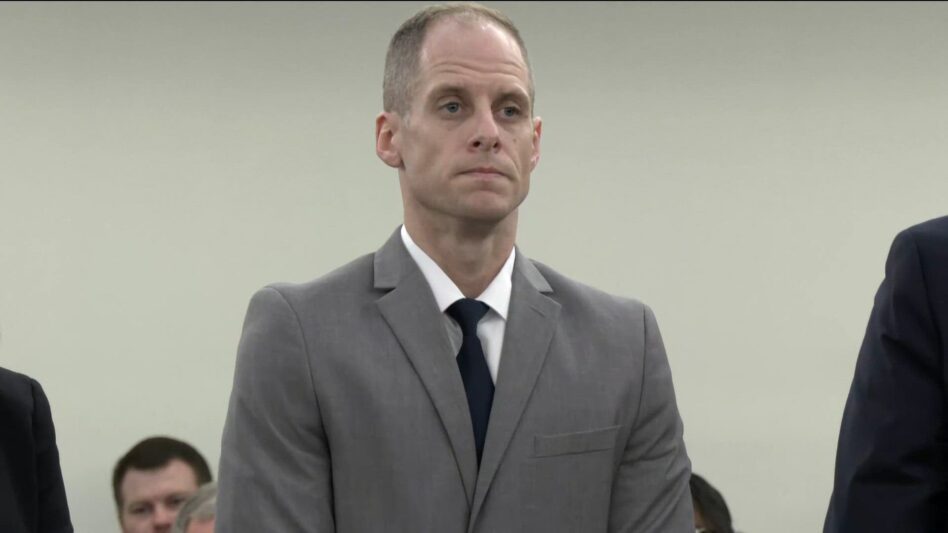


THE call by Deputy Inspector-General of Police (IGP) Tan Sri Ayob Khan Mydin Pitchay for a total ban on electronic cigarettes and vape devices following the discovery of drug-laced vape liquids is uncalled for.
Instead, such discovery is serious and must be treated as a narcotics and enforcement issue, according to the Consumer Choice Centre (CCC) Malaysia country associate Tarmizi Anuwar.
The consumer advocate further cautioned that a blanket ban would punish adult consumers while avoiding the harder question of why illegal and contaminated products were able to enter the market in the first place.
“We understand the concern raised by TS Ayob Khan. Drug-laced vape liquids are dangerous and those responsible must face firm action. But calling for a total ban is not a serious enforcement strategy. It risks turning consumers into scapegoats for enforcement failure,” justified Tarmizi.
“If illegal actors are able to mix synthetic drugs into vape liquids and distribute them, the problem is not ordinary consumers. The problem is weak monitoring, weak product testing, weak supply-chain control and weak action against syndicates.”
Above all else, the latest call for prohibition gives the impression that enforcement agencies are not treating illicit products with the seriousness they deserve.
‘Fix lax enforcement, not penalising consumers’
“Instead of showing stronger action to curb illegal and contaminated products, the response appears to shift responsibility onto consumers by calling for a ban,” lamented Tarmizi.

“Enforcement agencies should not choose the easiest option while avoiding accountability for weaknesses in enforcement.”
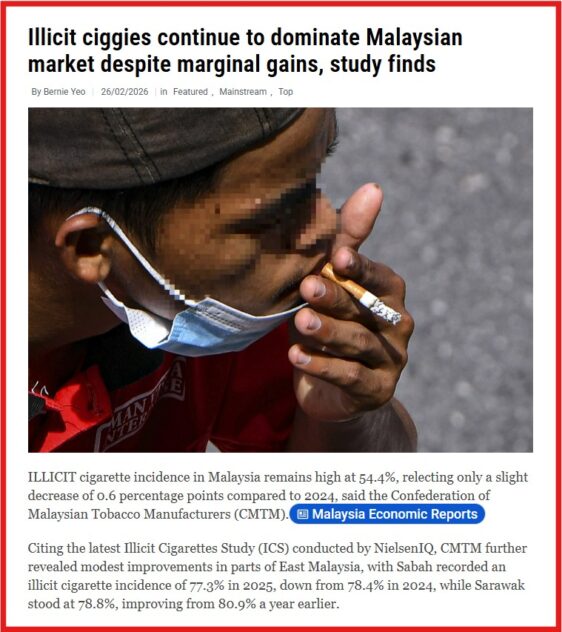
In his contention, Malaysia’s experience with illicit tobacco should serve as a warning. National illicit cigarette trade reportedly increased from 54.4% in 2025 to 56.7% in January 2026, a reflection of illegal markets growing when enforcement is weak.
“When more than half of cigarettes consumed in the country are illicit, it shows that enforcement is already struggling,” countered Tarmizi.
“If the same approach is applied to vape, a total ban will not remove demand. It will push users into unregulated channels where contaminated products are harder to detect.”
On this note, CCC argued that the focus should be on identifying and dismantling the criminal supply chain, not imposing a blanket policy on all users.
“The right questions are simple: who produced these drug-laced liquids, how did they enter the market, who distributed them, and why were they not detected earlier? These are enforcement questions,” stressed Tarmizi.
“They cannot be solved by punishing consumers who are using legal products.”
For a win-win situation, CCC called for targeted action, including product testing, stronger licensing, strict retailer checks, enforcement against underage sales and coordinated operations involving the Health Ministry (MOH), police, Customs, Domestic Trade and Cost of Living Ministry and local authorities.

“Malaysia already has a legal framework to regulate smoking and vape products. The priority now is implementation. If the state fails to enforce the law, the solution is to fix enforcement, not punish consumers,” insisted Tarmizi.
He further reckoned that youth protection and consumer choice can be addressed together through age verification, retailer accountability and firm action against illegal sellers.
“Drug-laced vape liquids are not proof that consumers should be punished. They are proof that enforcement must be strengthened. Malaysia needs serious enforcement, not symbolic prohibition,” added Tarmizi. – June 13, 2026
Main image credit: Bernama