

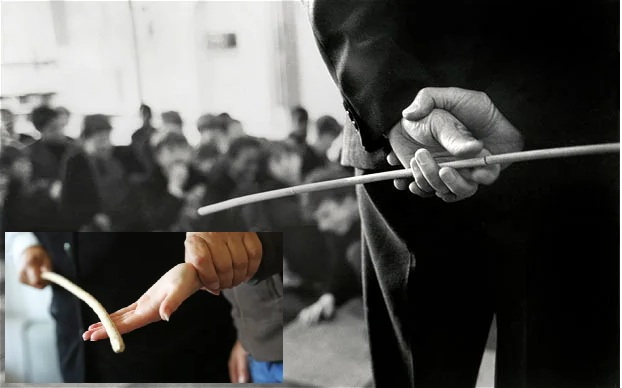
NOTHING beats the cane when it comes to instilling fear and discipline in the classroom. It is a time-tested method that had been used in schools ever since I started schooling in 1957.
Those were the days when the teachers were also discipline masters who would not hesitate to wield the rod whenever anyone turned unruly.
I recalled my time in a primary school in Melaka where the headmaster was someone who inspired respect and fear.
I dreaded the day when this stern-looking man would visit every class on one particular day to check on the report cards of every pupil.
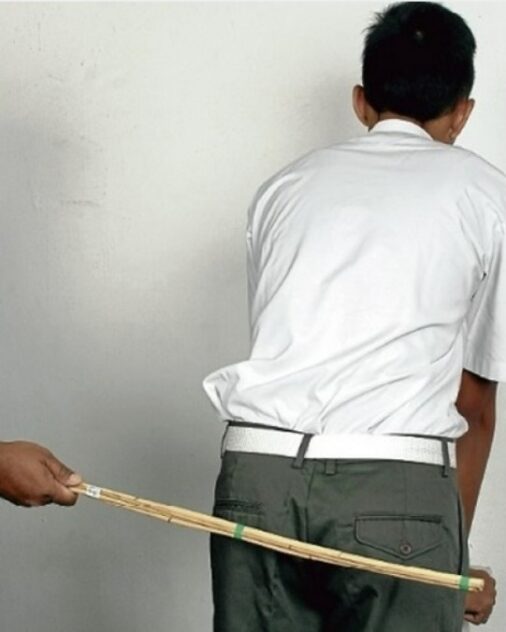

Armed with a cane, he would stand in front of the class and every pupil would walk up to him and show him the card.
When it came my turn (I was then in Standard Four), I could feel fear creeping down my spine as I showed him my report card.
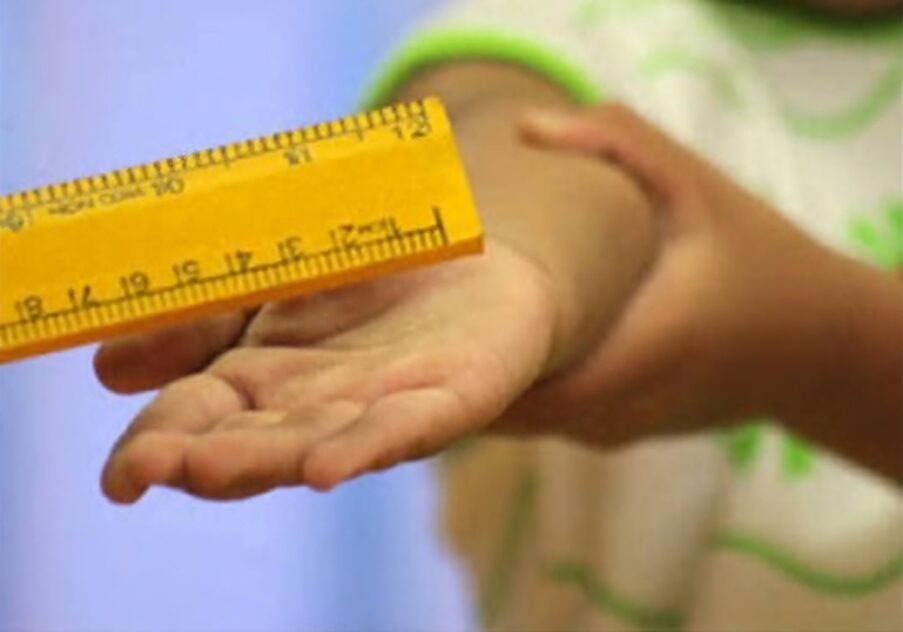
There were some red marks on some subjects and down came the cane on my palm. Ouch! Painful! The message was clear: study harder the next time.
Time immemorial
The most dreaded punishment came in the form of public caning. The event would take place during a general school assembly. The guilty party had committed a serious offence (I can’t recall the nature of the offence) and he would stand on a raised platform.
Then the headmaster would reveal the misdeed and mete out the “sentence” and whack went the cane on the rear of the culprit (a secondary student). That spectacle would be etched in the memory of all the students gathered on that day.
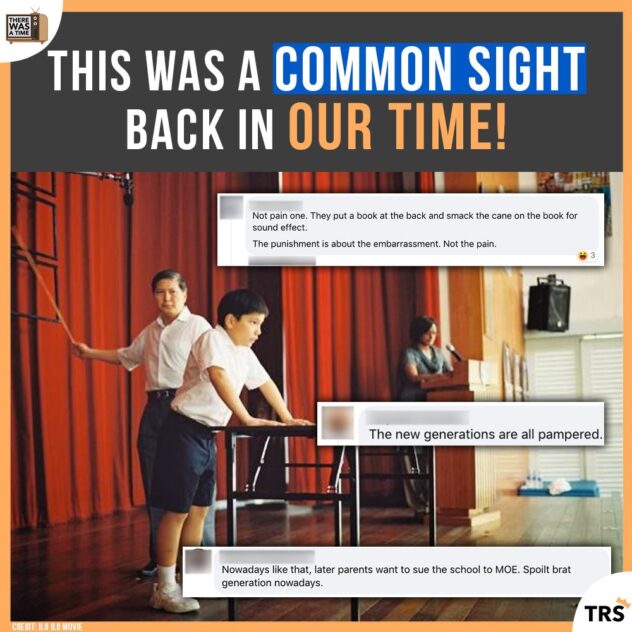
I also recalled my time in a secondary school in Johor where one teacher would not hesitate to bring out the cane and order the student to stand in front of the class and cane his buttock for some offence he had committed.
So great was the fear of the rod that some “victims” came up with a bright idea to lessen the pain: why not put some books inside the back of your trouser. You wouldn’t feel the pain from the stroke.
But the ruse was abandoned because there was no escaping from the discerning eyes of the form master.
Those were the times when the cane ruled the classrooms. It was a “reign of terror” but the punishments were carried out with great restraint and responsibility.
Today, the cane is nowhere to be seen. It has become practically extinct because in this 21st century, some reform-minded critics believed that “traditional, punitive punishments are no longer acceptable”.
Modern day ‘school disorder’
These enlightened minds argue that there are other more modern, alternative approaches to deal with errant students so that they would grow up to be mature, morally-inclined, responsible citizens in adulthood.
But, unfortunately, in the absence of physical punishment, the number of cases of indiscipline is on the rise.
Reports of sexual assaults or harassment or rape in schools, including the ever-rising cases of bullying, are making frequent headlines. It has come to a stage where no schools are regarded safe from all these “monsters”.
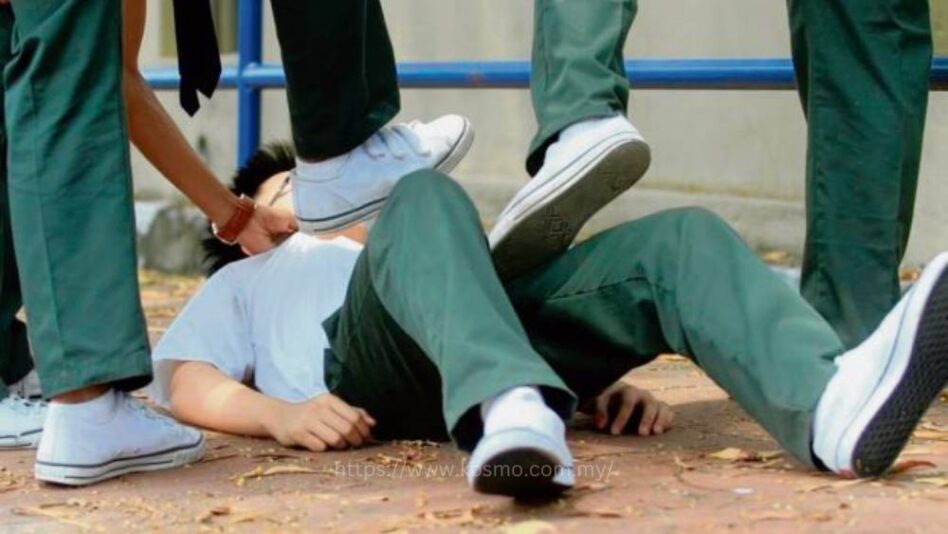
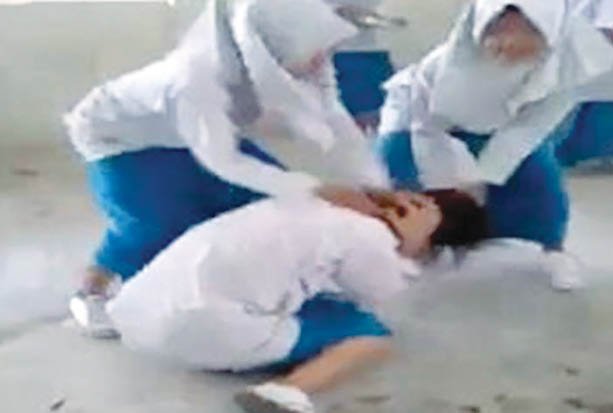
Let’s take school bullying. According to the Education Ministry (MOE), the number of such cases has been rising: in 2022, there were 3,883 bullying cases bit this rose to 6,528 in 2023 and hit 7,681 cases last year.
Of this total, secondary schools chalked up the highest number – 3,064 cases in 2022, 5,418 (2023) and 5,689 (2024).
Even primary schools were not spared from the bullies. The number of such cases saw a spike from 819 in 2022 to 1,110 (2023) and 1,992 (2024).
Sexual misconduct or harassment also saw a spike in numbers with 1,567 cases recorded in 2024.
All these grim statistics show that “school disorder” is a serious problem which must be tackled urgently.
Then again, these figures appear to be the tip of the iceberg because, according to MOE’s director-general Azam Ahmad, given that many sexual harassment and bullying cases in school have been “swept under the rug”.
Moral decay
Even in Britain there was a strident call to bring back the cane to deal with the “increasing cases of disruptive and badly behaved children”.
Britain abolished corporal punishment in all schools in 1987 because there was a widespread belief that such a punitive measure was no longer appropriate as it “infringed on the child’s right to integrity of a person”.
But in 2000, a majority of the British parents had had enough of the “disorder” in schools and wanted the authorities to re-introduce this punitive measure.
In Malaysia, corporal punishment is still lawful but it is rarely being enforced. In the absence of such disciplinary tool, “disorder” has crept into the school system whereby we are today faced with a stark reality: school discipline has practically broken down.
Incidents of bullying and gang rape are all symptoms of a serious malaise that are eating into the vitals of our national school system.

It is said that with the dawn of the Digital Age or Information Age, the world has changed and so must the approach towards dealing with undisciplined schoolchildren.
Some progressive quarters advocate the use of “social-psychological” method to get a good understanding and insight into the behavioural pattern of unruly students to find out why they went off the rail.
The contention is that students today live in a different world, hence they must be treated with great care and delicacy.
Moreover, society has transformed into a “knowledge society” which means that people no longer accept the traditional method of corporal punishment. And, besides, children know their rights.
“Spare the rod and spoil the child”
But in reality, all these changes and challenges have not transformed the classroom scene. On the contrary, the new world has exacerbated the problem of indiscipline in schools.

With easy access to sexual content on social media, this could have corrupted young minds and could have played a major role in sexual assaults in schools.
Students can even buy weapons like knives online and use them to harm – sometimes with fatal consequences – on their class mates.
All this wayward behaviour can be traced to the breakdown of “order” in the classroom. How then can this 21st century world deal with this rising tide of misconduct on the hallowed ground of educational institutions?
The answer can be found in the 19th century in the words of English novelist and poet Samuel Butler: “Spare the rod and spoil the child.”
Only the cane can drive away the demon of misconduct. Let the cane rule the classroom and make every student tremble at the sight of this “master” of discipline. – Oct 19, 2025
Phlip Rodrigues is a retired journalist.
The views expressed are solely of the author and do not necessarily reflect those of Focus Malaysia.