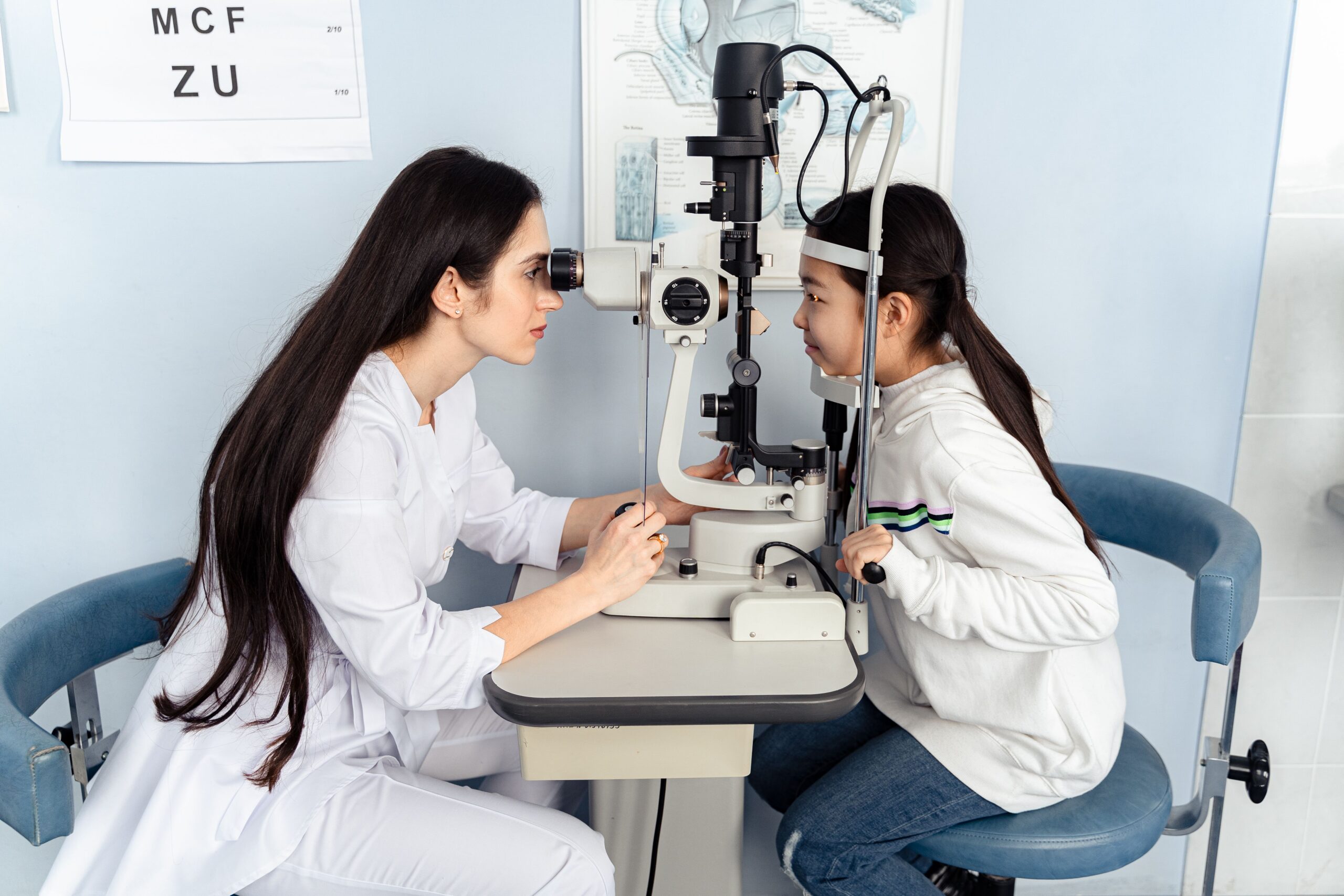
SQUINTING and cataracts are among the most common yet often overlooked eye conditions affecting Malaysians of all ages, highlighting the importance of early screening and timely treatment, according to an ophthalmologist.
Dr Fazilawati A. Qamarruddin, consultant ophthalmologist and paediatric ophthalmologist at Sunway Medical Centre, Sunway City, said eye conditions often develop gradually, with early warning signs such as children tilting their heads while watching television, sitting too close to screens or squinting to see distant objects.
“A squint, medically known as strabismus, occurs when the eyes are not properly aligned. One eye may look straight while the other turns inward, outward, upward or downward,” she said.
Although commonly associated with children, Dr Fazilawati said strabismus can occur at any age. While many cases are linked to uncorrected refractive errors, it may also result from nerve disorders, trauma or neurological conditions.
“If a child who previously had normal eye alignment suddenly develops a squint, it should be investigated urgently to rule out serious conditions such as brain or orbital tumours,” she noted.
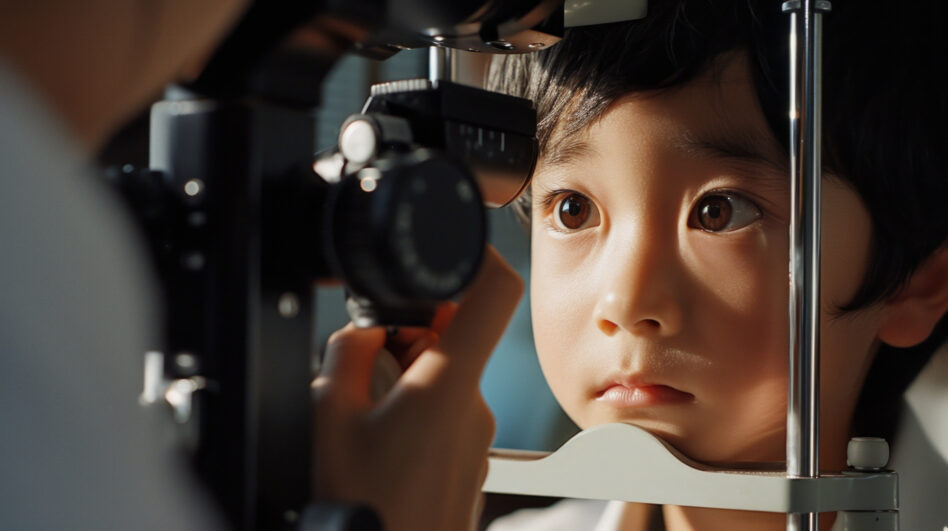
Global studies estimate that between 2% and 4% of children have strabismus, but many cases go undetected until learning or social development is affected.
One of the most serious complications is amblyopia, or “lazy eye”, which develops when the brain begins relying on the stronger eye while ignoring the weaker one.
“The brain automatically uses the clearer eye. Without adequate stimulation, the weaker eye gradually becomes lazy,” Dr Fazilawati explained.
She recommends vision screening by the age of three and again before children begin primary school.
Parents should also look out for signs such as frequent squinting, persistent head tilting, headaches or sitting unusually close to televisions and digital devices.
“Don’t wait for the school to identify a problem. Early detection can make the difference between correcting vision with glasses and living with permanent visual impairment,” she cautioned.
Dr Fazilawati also highlighted cataracts as one of the leading causes of visual impairment among older adults.
Although cataracts are commonly associated with ageing, they can develop earlier in people with diabetes, smokers and those exposed to prolonged ultraviolet (UV) radiation.
Symptoms include blurred or cloudy vision, glare, faded colours and increasing difficulty driving at night.
“In the early stages, glasses may help improve vision and delay surgery. However, when glasses are no longer effective and daily activities become difficult, surgery should be considered,” she stressed.
Modern cataract surgery uses phacoemulsification, an ultrasound technique that removes the cloudy lens through a small incision before replacing it with an artificial lens.
“Because the incision is small, recovery is generally faster. Most procedures are performed as day surgery, with patients returning to light activities within a week and achieving full visual recovery in about two weeks,” she said.

Beyond age-related conditions, Dr Fazilawati warned that excessive screen time, particularly among children and teenagers, may contribute to worsening short-sightedness.
She recommends following the “20-20-20 rule”, where every 20 minutes of screen use is followed by looking at an object about 20 feet away for at least 20 seconds.
Dr Fazilawati also advised adults to undergo a comprehensive eye examination from the age of 40, while people living with diabetes should have annual eye screenings to detect diabetic retinopathy early.
“Many eye diseases progress gradually without obvious symptoms. Early diagnosis allows treatment before permanent vision loss occurs,” she remarked.
She added that regular eye examinations remain one of the most effective ways to preserve vision, maintain independence and improve quality of life throughout every stage of life. ‒ July 8, 2026
Main image: Pexels/AI25.Studio Studio