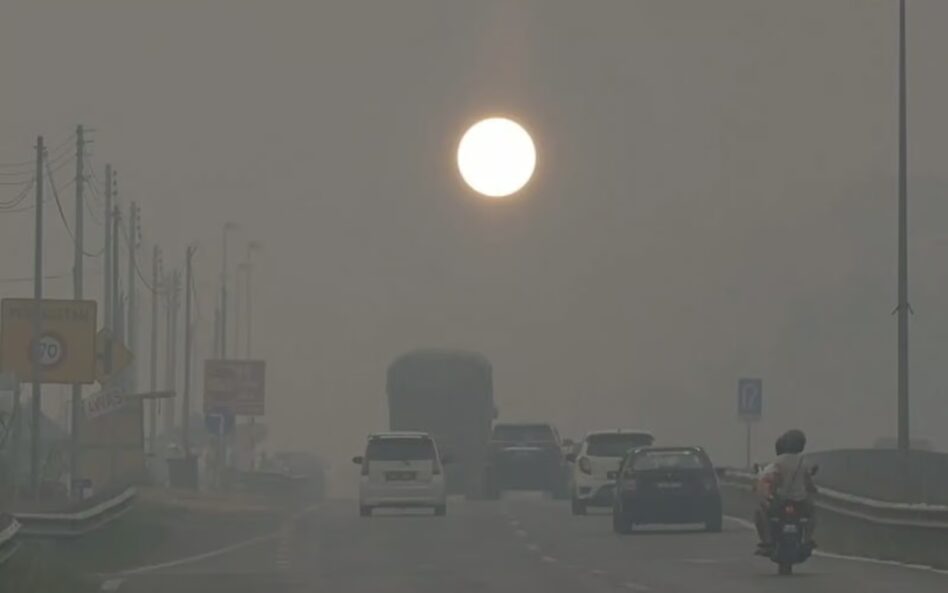
HISTORICAL trends suggest that El Niño could have a notable impact on fresh fruit bunch (FFB) yields.
Industry observations indicate production may decline by between 10% and 14% during the first year of the weather phenomenon, followed by a further 3% to 4% reduction in the second year.
This pattern has been reflected in past production figures, with Malaysia’s crude palm oil (CPO) output falling 13.2% in 2016 and 8.3% in 1998 after El Niño events in the preceding years.
The impact is expected to vary across regions. In Malaysia, plantations in Sabah and Sarawak are likely to experience greater stress, while Indonesia’s Kalimantan and Sumatra regions could face similar challenges.
Sarawak is considered particularly vulnerable because of its extensive peatland areas, which tend to retain heat and worsen drought conditions.
Estates located near dense forest reserves are generally expected to fare better, as forest cover helps moderate local temperatures.
The severity of the impact also depends on the age of the oil palm trees. Younger palms and ageing trees are generally more susceptible to prolonged dry weather than those between six and 20 years old.
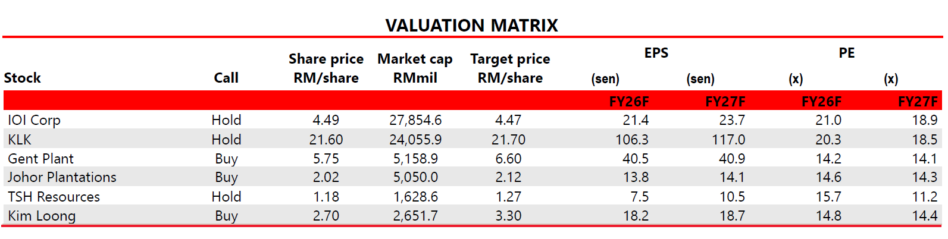
Young palms have relatively shallow root systems, making it harder to access moisture during droughts, while older trees are more prone to female flower abortion, which ultimately affects fruit production.
Despite the short-term challenges, younger palms are expected to recover more quickly once weather conditions improve.
Since the severe haze and drought episodes between 2015 and 2019, Indonesia has also stepped up efforts to reduce the impact of future El Niño events.
Measures introduced include blocking drainage canals to maintain higher groundwater levels in peatland areas, enhancing satellite-based fire detection systems and requiring plantation operators to install fire watch towers across their estates.
Even with these preventive initiatives, the risk of fires and transboundary haze remains elevated during periods of intense El Niño, particularly given Indonesia’s vast plantation landscape and the large number of smallholders operating across the country.—Aug 7, 2026
Main image: infosawit.com