THE recent death of a 12-year-old footballer who collapsed during an under-12 tournament in Johor Bahru has deeply saddened Malaysians. The exact cause of the incident remains under investigation, and it would be irresponsible to speculate.
Athletes may collapse for many reasons, including underlying cardiac conditions, heat-related illness, dehydration, respiratory problems or other medical emergencies.
Regardless of the eventual diagnosis, this tragedy is a reminder that sports safety must never be left to chance.
Sport offers enormous benefits for physical health, mental wellbeing, discipline and social development. But every competition, from school tournaments to elite championships, should also be supported by a comprehensive emergency preparedness system.
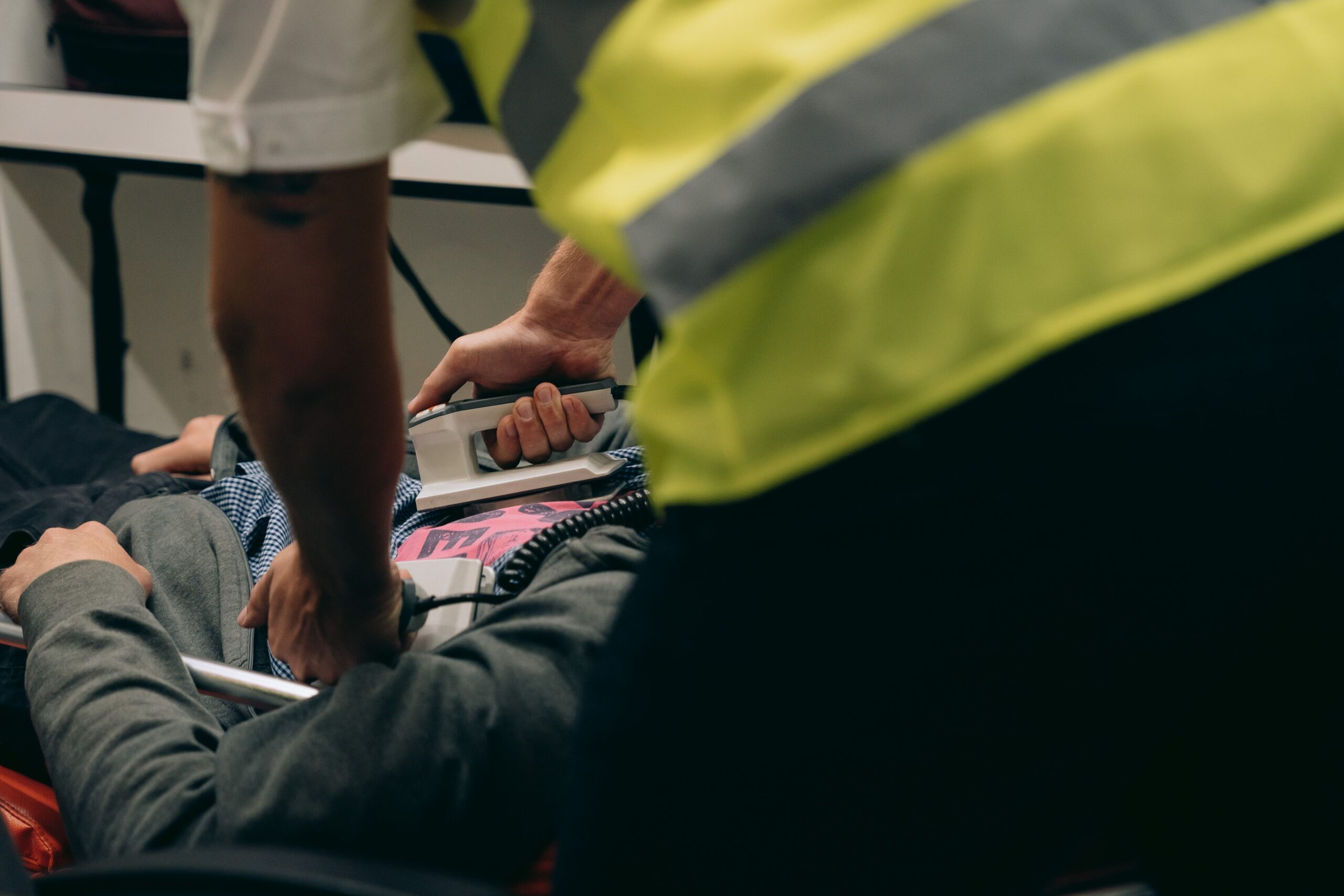
Every organiser should already know who will recognise a cardiac arrest, who is trained to perform cardiopulmonary resuscitation (CPR), where the nearest automated external defibrillator (AED) is located, how emergency services will access the venue and which hospital will receive the patient.
If these questions are only asked after an athlete collapses, valuable time has already been lost.
Professional bodies such as the Malaysian Association of Sports Medicine have an important role in strengthening sports safety through advocacy, education and the development of evidence-based guidelines for competitions at every level.
Safety also begins long before the opening whistle.
Pre-participation evaluation (PPE) should not be treated as a routine administrative requirement. Its purpose is to identify athletes who may require further medical assessment based on their medical history, physical examination and individual risk factors.
Warning signs include chest discomfort during exercise, fainting while playing sport, abnormal palpitations, unusual breathlessness and a family history of sudden cardiac death.
Reporting these symptoms should never be viewed as preventing participation. It is about identifying potential risks before they become life-threatening emergencies.
Even the most comprehensive screening, however, cannot eliminate every risk. Every sporting event therefore requires a practical emergency action plan that clearly identifies the emergency coordinator, CPR-trained personnel, AED locations, ambulance access routes, referral hospitals and communication procedures.
Most importantly, the plan should be tested before the event begins.
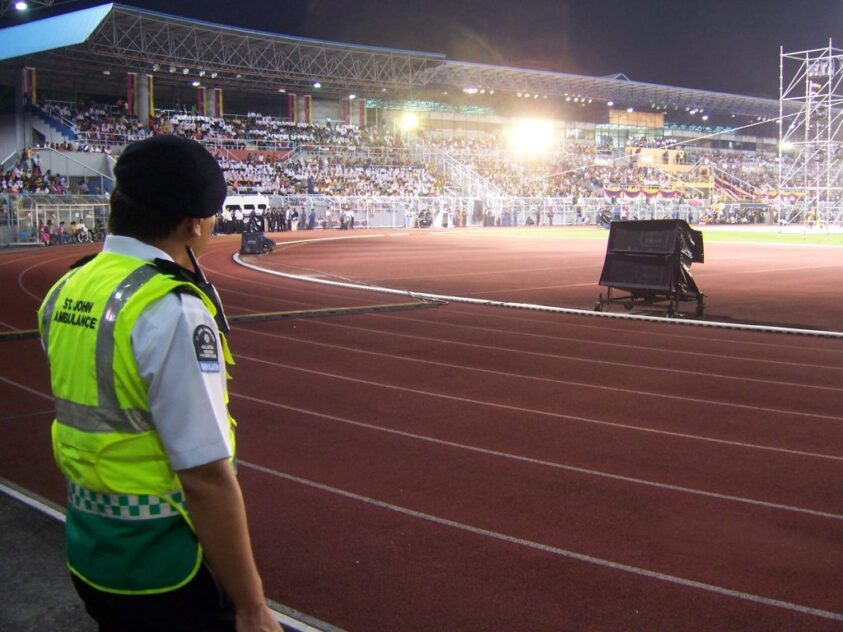
Emergency preparedness involves far more than simply having an ambulance or medical team on standby. Coaches, referees, volunteers, security personnel and venue managers must understand their respective roles and respond confidently when every second matters.
In cardiac arrest, survival depends on immediate action. Delays in recognising the emergency, starting CPR or using an AED can dramatically reduce the chances of survival.
For this reason, CPR and AED training should extend beyond healthcare professionals. Coaches, teachers, referees, team managers, volunteers and even parents should possess basic lifesaving skills.
Technology can further strengthen this response.
The MyResQ application helps identify nearby community responders, locate registered AEDs and mobilise assistance while professional emergency medical services are on their way. It is designed to complement, not replace, Malaysia’s 999 emergency response system.
Supported by Yayasan Inovasi Malaysia under the Science, Technology and Innovation Ministry, together with Universiti Malaya Community Engagement Centre (UMCares), the initiative has expanded CPR training, AED mapping and community responder networks, demonstrating how local innovation can improve emergency preparedness.
Strengthening sports safety requires coordinated action. The Youth and Sports Ministry, Health Ministry, Education Ministry, National Sports Institute, Malaysian Association of Sports Medicine, higher education institutions, sporting associations and civil society all have important roles to play in expanding CPR training, improving AED access and embedding a culture of emergency preparedness throughout Malaysian sport.
Every sports complex, school field and community court should have a clearly marked, easily accessible AED.
Coaches, teachers, referees, volunteers and parents should know how to perform CPR and use it confidently. These measures cannot prevent every medical emergency, but they can significantly improve survival when one occurs.
This tragedy should become more than a moment of grief.
It should become the catalyst for a safer sporting ecosystem built on proper screening, emergency planning, widespread CPR and AED training, stronger collaboration and responsible use of technology.
Safety is not the responsibility of doctors or medical teams alone. It belongs to everyone involved in sport.
When organisers prepare, communities are trained and every individual understands their role, we do more than develop successful athletes. We create sporting environments where every participant has the best possible chance of returning home safely. ‒ Aug 6, 2026
Dr Mohd Hafyzuddin Md Yusuf is an Emergency Physician at Universiti Malaya, and Dr Ahmad Munawwar Helmi Salim is a Sports Medicine Physician at the National Sports Institute.
The views expressed are solely of the author and do not necessarily reflect those of Focus Malaysia.
Main image:Pexels/Mikhail Nilov