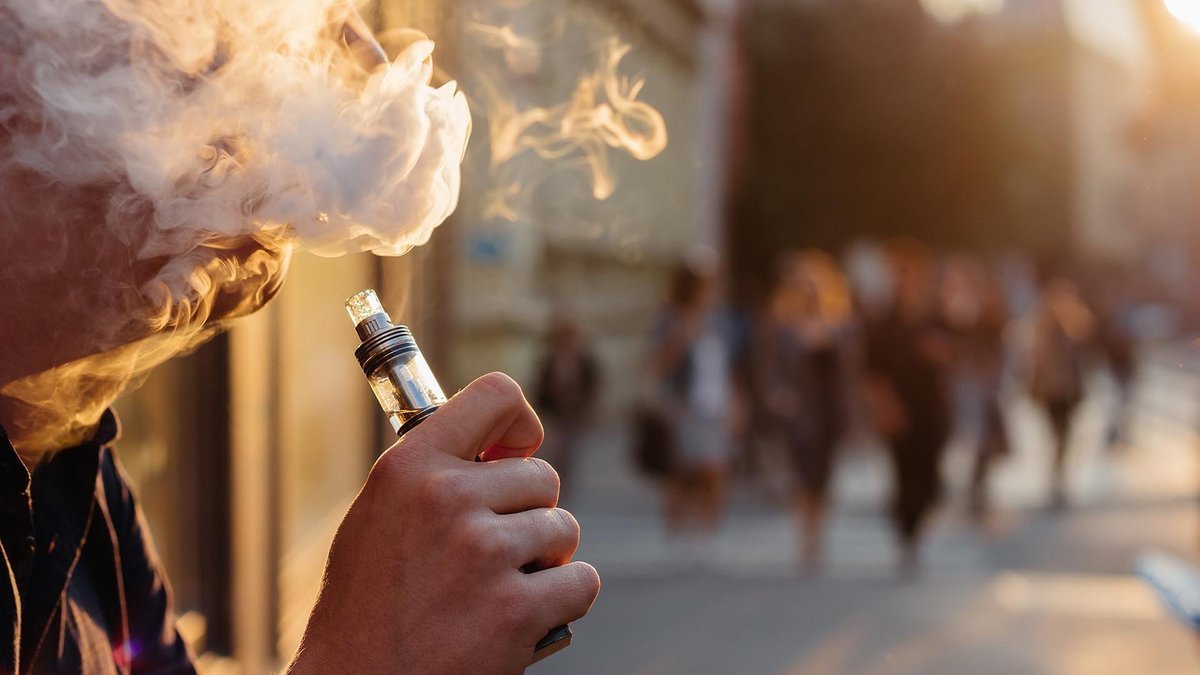
EDUCATION Minister Fadhlina Sidek recently announced a proposal to impose fines of up to RM10,000 or imprisonment of up to two years for teachers caught vaping or smoking on school grounds, which is in line with the Smoking Products Control Act for Public Health 2024.
While MCA fully supports the principle that teachers must serve as role models for Malaysian children and youth, such measures must not overlook the broader context of teacher welfare and the many other pressing issues within our education system that demand urgent attention.
Maintaining discipline in schools is important. However, imposing heavy fines and imprisonment as the implied first and only option for vaping offences among already overburdened and under-rewarded teachers appears disproportionate.
In some cases, vaping may be an unhealthy coping mechanism for stress rather than a deliberate act of defiance against professional standards.
According to April 2024 data from the Khazanah Research Institute, Malaysian graduates in education are earning significantly less than they did a decade ago.
Nearly three-quarters of education graduates earn below RM2,000, with only a small fraction exceeding RM3,000. With the rising cost of living, economic hardship, and the daily demands of teaching, teachers are under immense strain and may seek other ways to cope with stress.
In the Dewan Rakyat in 2023, deputy Education Minister Wong Kah Woh reported that 6,394 teachers went on early retirement—an increase from the previous year where 5,306 left the profession.
Moreover, according to the Education Ministry in a Parliamentary written reply on June 26 last year, the majority of teachers left early because they were uninterested in their roles.
Other factors were family, health, job duties and personal reasons. These exoduses indicate that more must be done to improve the welfare of teachers to propel them to remain in the teaching profession.
Making criminals out of teachers simply for vaping are counter-productive to boosting teacher morale.
At the same time, schools face far more serious challenges—such as teacher shortage, bullying, sexual predation, molestation, and many others—that present a far greater threat to student wellbeing than a teacher vaping on school grounds.
These critical issues require urgent, sustained attention and resources from the Education Ministry, yet they often remain under-addressed.
A more balanced approach is needed. MCA advocates for disciplinary measures that include counselling, mandatory training, or suspension before considering custodial sentences.
Equally, the government should invest more in supporting teachers’ mental health, raising remuneration, and improving working conditions to reduce the underlying pressures that may contribute to such behaviour.
To truly uphold the no-vaping policy in schools, enforcement must be fair, proportionate, and part of a broader strategy that safeguards both student welfare and the wellbeing of our educators. ‒ Aug 14, 2025
Felicia Wong Yin Ting is the MCA education consultative committee deputy chairperson.
The views expressed are solely of the author and do not necessarily reflect those of Focus Malaysia.
Main image: 2Firsts