
THE Malaysian Medical Association (MMA) has warned that proposed cuts to the Health Ministry’s budget risk further straining an already overstretched public healthcare system.
Its president, Datuk Dr Thirunavukarasu Rajoo, said the suggested RM3.06 bil reduction—equivalent to 6.6% of the ministry’s operating budget—would leave the sector with fewer resources than the previous year.
The proposed reduction comes amid broader fiscal tightening, following reports that the Treasury is considering RM5.4 bil in combined cuts to the health and higher education ministries as part of spending adjustments.
The Finance Ministry has said such adjustments will not affect critical services — a commitment the MMA said must be upheld.
“Public healthcare serves 70% of Malaysians. It is not the place to find savings,” Dr Thirunavukarasu said in a statement.
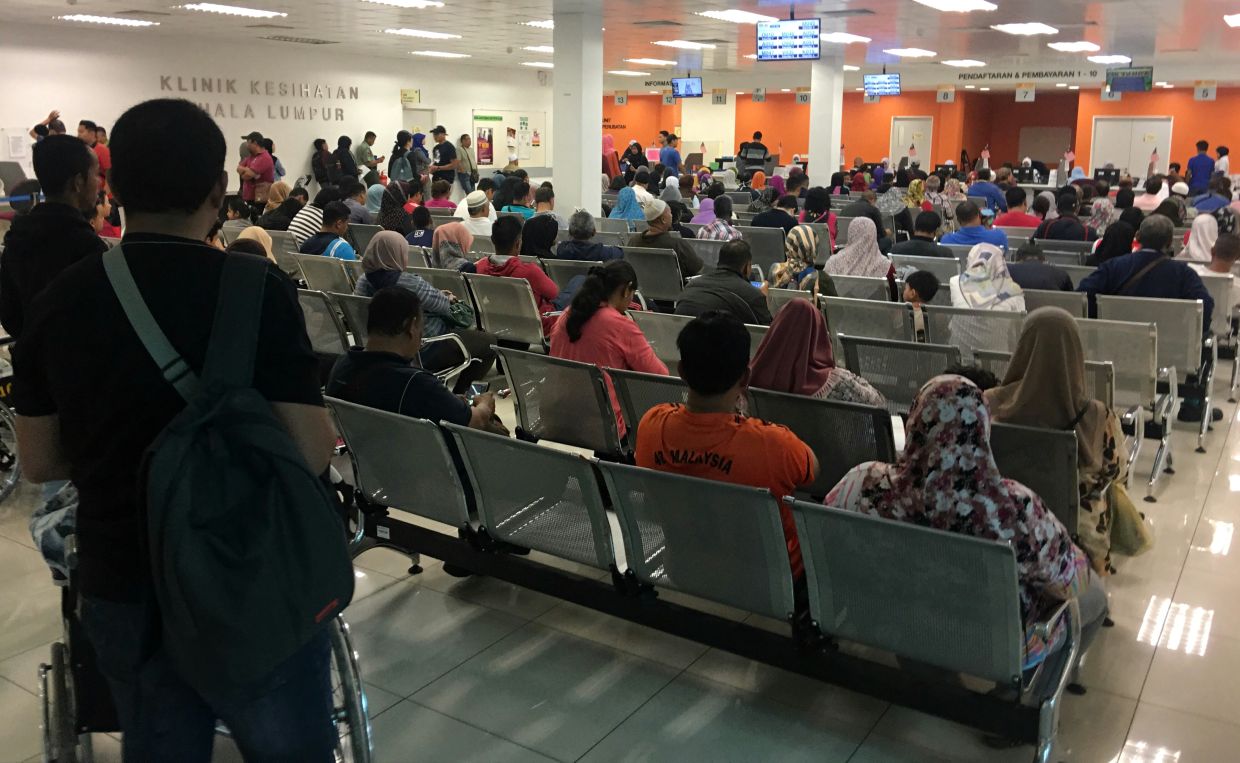
He noted that Malaysia’s healthcare system is already under significant pressure, citing a shortage of nearly 11,000 specialists and nursing vacancies of about 18%, with hospitals nationwide operating at or near full capacity.
He pointed to recent incidents at Hospital Ampang as a stark example of the consequences of underinvestment.
The hospital, Malaysia’s national referral centre for haematology, operates 701 beds across 17 wards and treats patients with complex blood disorders.
On April 23, its Total Hospital Information System (THIS) failed for 33 hours. Doctors reported the system had not been upgraded since 2007 and was still running on the outdated Windows XP platform.
During the outage, patient records were inaccessible, laboratory results were delayed, and prescriptions could not be processed, forcing medical staff to revert to manual documentation.
“For patients awaiting blood results to determine chemotherapy dosing, this is not just a technical issue—it has real clinical consequences,” he said.
Just days later, a burst pipe flooded an operating theatre at the same hospital, disrupting surgeries and forcing some patients to postpone procedures.
Dr Thirunavukarasu said both the Health Ministry and Finance Ministry must explain how such incidents occurred and ensure similar failures are prevented.
While welcoming the government’s decision to exempt healthcare from the civil service hiring freeze, he stressed that this must be fully honoured.
“Any spending adjustments should come from administrative areas, not from medicines, maintenance, equipment or staffing,” he stated.
He added that reducing health expenditure could have immediate and long-term consequences, including longer waiting times, delayed treatment, and declining quality of care.
“Healthcare is not a discretionary expense. It is a core public investment that supports lives, productivity and national resilience,” he said. ‒ April 30, 2026
Main image: The Star