
A FOOTBALL rivalry between Malaysian and Indonesian supporters has escalated into a campaign to boycott Indonesian products following a controversial social media post by Indonesian men’s personal care brand Kahf.
The controversy erupted after Indonesia won the 2026 FIFA ASEAN Cup by defeating Thailand in a penalty shootout.
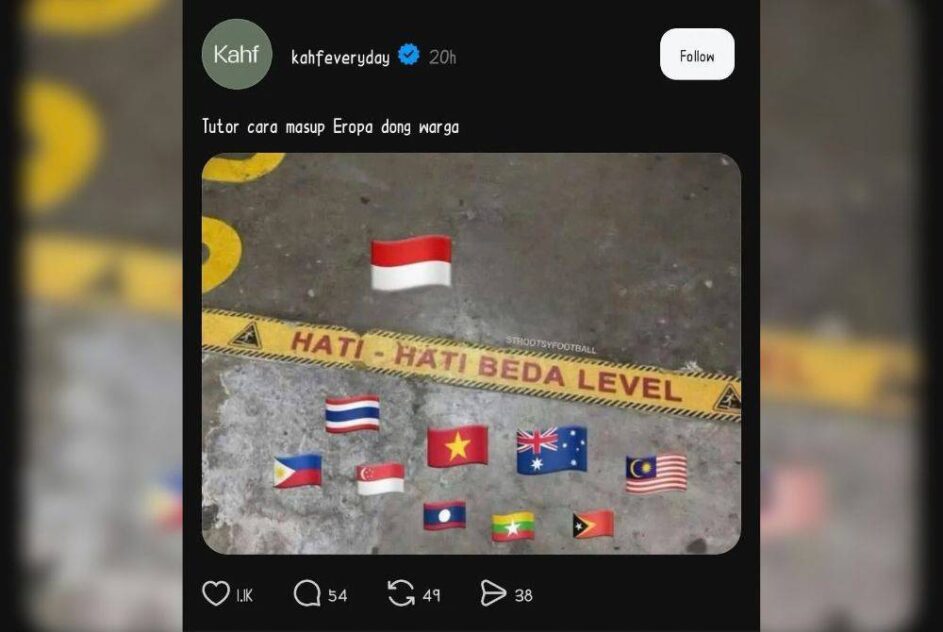
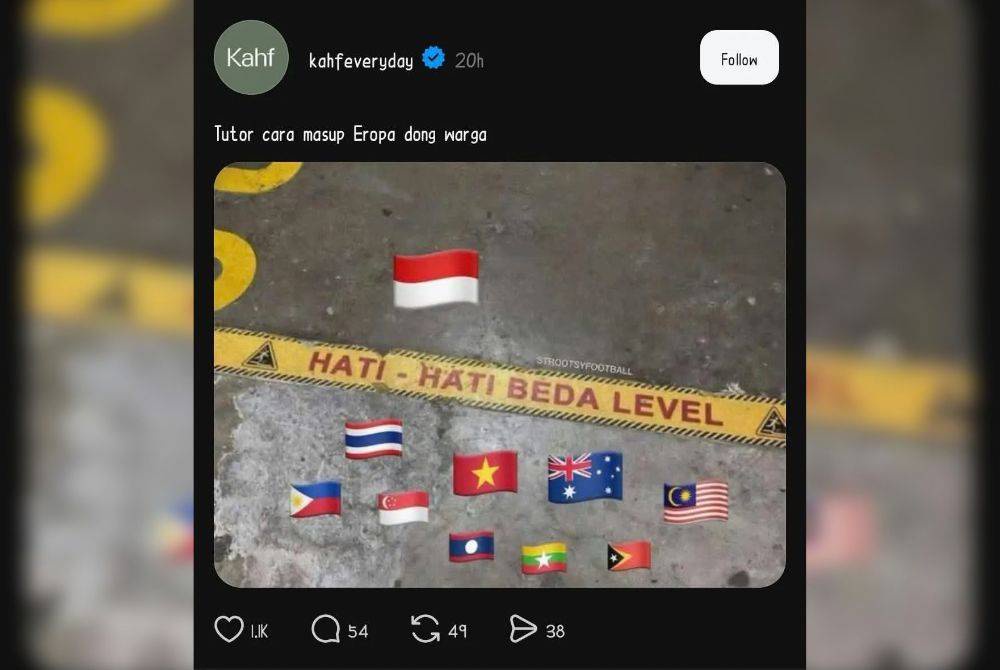
Kahf subsequently posted a graphic on Threads bearing the words “Hati-hati beda level”, suggesting Indonesia was on a different level from other Southeast Asian countries.
The Indonesian flag was placed above those of Malaysia and other regional nations, prompting widespread criticism.
Kahf deleted the post and apologised, describing it as unacceptable and inconsistent with its commitment to respect. However, calls to boycott the brand and other Indonesian products continued.
The controversy also drew reactions from Malaysian celebrities. Muay Thai fighter Johan Ghazali accepted the apology, while singer and actor Alif Satar argued that consumer trust would have to be rebuilt. Entrepreneur Aliff Syukri urged Malaysians to support local products.
Previous boycotts involving Israel-linked and American brands have demonstrated the potential economic consequences of consumer campaigns.
However, this latest movement is expected to have a more limited impact because it was driven primarily by sporting rivalry rather than religious or humanitarian concerns.
The Indonesian Embassy in Kuala Lumpur urged both sides to resolve the dispute constructively, stressing the importance of mutual respect, friendship and economic cooperation between the neighbouring countries.
In comments to Malaysiakini, the Embassy said: “We hope that this matter will be addressed constructively and in a spirit of mutual understanding.”
The embassy added: “We recognise the importance of respecting each other’s national identity, values and sensitivities.”
It also stressed the importance of maintaining bilateral relations: “As close neighbours, Indonesia and Malaysia share a common interest in preserving our friendship and strengthening economic cooperation for the mutual benefit of both peoples, including by fostering positive relations between our businesses and communities.” — Oct 10, 2026