

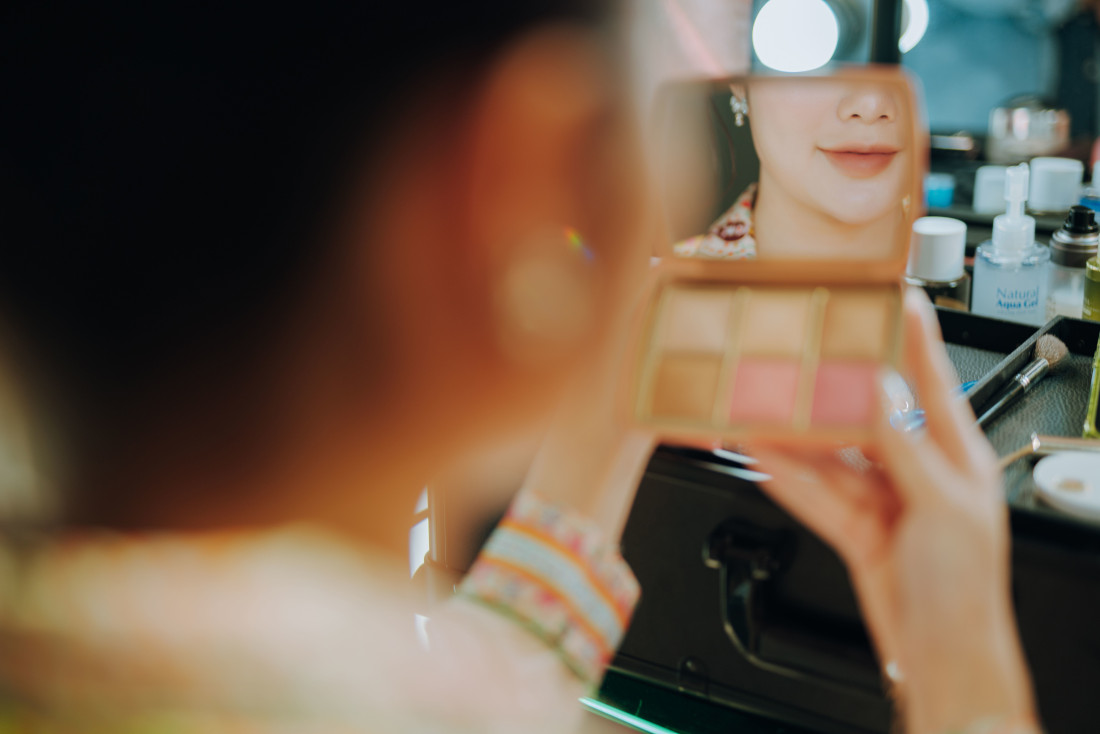
SHE only meant to pop into Sephora for a compact powder. Two hours later, she is still there, testing lipsticks under warm lighting, surrounded by a soft floral scent and music that makes the store feel alive.
At a digital counter, a smart mirror scans her skin tone and shows how different shades might look on her face. Nearby, a QR code allows her to virtually try on a new blush. She takes a selfie at the branded photo corner and receives a promotional gift for sharing her experience on social media.
She came for one item. She leaves with four, and a story to tell.
This shopping experience may feel spontaneous, but much of it is carefully designed. A recent Universiti Malaya study examined how beauty retailers can transform an ordinary store visit into an emotional experience that encourages shoppers not only to buy, but also to love, recommend and remain loyal to a brand.
The PRA formula
The study identifies three key forces behind an engaging beauty-store experience. Together, they form a simple and memorable formula: PRA, or Phygital, Retailtainment and Ambience.
Phygital combines the physical and digital worlds through smart mirrors, virtual try-ons, interactive displays and QR codes.
Retailtainment combines retail and entertainment to make shopping more enjoyable through product demonstrations, games, mini-events, shade-matching sessions and interactive photo corners.
Ambience refers to the lighting, music, scent, layout and visual design that shape how shoppers feel inside the store.
Individually, each element can influence a shopper’s mood. When combined effectively, they can transform a quick shopping trip into a memorable experience and, eventually, into brand love.
Why the physical experience still matters
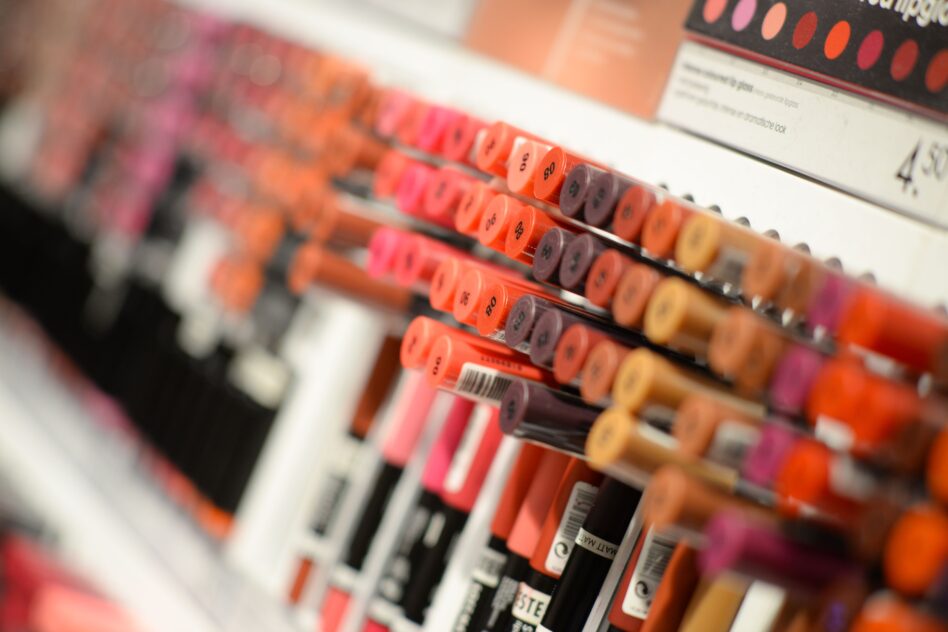
Beauty shopping is often a deeply personal and sensory experience.
Women may want to feel a product’s texture, examine its colour under different lighting, test its scent or receive advice before making a decision. These experiences can be difficult to reproduce fully through a screen.
At the same time, shoppers have grown accustomed to the speed and convenience of digital technology. They may research products online, watch reviews, compare prices and seek recommendations before entering a store.
The modern beauty-shopping journey no longer moves neatly from online to offline. It flows constantly between the two. This creates an opportunity for retailers to combine physical discovery with digital convenience, personalisation and entertainment.
When clicking is no longer enough
As e-commerce continues to challenge physical retailers, beauty stores must offer something a website cannot fully provide: an immersive, multisensory and socially shareable experience.
To understand what makes such experiences effective, Universiti Malaya researchers surveyed 252 Malaysian consumers who shop at beauty and cosmetics outlets.
All three components of PRA were associated with stronger emotional engagement. However, Phygital showed the strongest influence, suggesting that shoppers respond particularly well when technology is thoughtfully integrated into their journey.
Simply placing a digital screen in a corner is not enough. The technology must be useful, intuitive and relevant.
A virtual try-on should make choosing a product easier. A smart mirror should provide meaningful personalisation. A QR code should offer useful information, not merely another advertisement.
From emotional engagement to brand love
The study found that emotional engagement was the crucial bridge connecting the PRA experience with two important outcomes: brand love and word-of-mouth advocacy.
Brand love goes beyond satisfaction. A satisfied customer may think, “This product works well.” A customer who loves the brand is more likely to feel, “This brand understands me.”
That emotional attachment can encourage repeat purchases, loyalty and advocacy. In the age of TikTok, Instagram and unboxing videos, a shopper’s personal review or point of view can travel far beyond the store and may be more persuasive than conventional advertising.
The experience, therefore, does not end when the customer walks out. It continues through photographs, reviews, conversations and social media posts.
What beauty retailers can learn
Retailers often treat technology, entertainment and store design as separate investments. Customers, however, experience the store as a whole.
Successful retail stores are therefore not necessarily those with the most advanced technology or the most aesthetic interiors. They are the ones that bring all three PRA elements together in a seamless experience.
Retailers should invest in Phygital tools that solve genuine customer problems, such as finding the right shade, comparing products or receiving personalised recommendations. Technology should complement, not replace, human interaction. A smart mirror may recommend a foundation, but knowledgeable and approachable staff provide reassurance, explanation and trust.
Retailtainment should offer customers something meaningful to enjoy, remember or share, while Ambience should reflect the brand’s identity and create a comfortable sensory environment.
The message is simple: Phygital engages, Retailtainment excites and Ambience makes the experience memorable.
Technology with a human touch
As artificial intelligence and experiential technologies reshape retail, beauty brands may be tempted to chase every new digital trend.
But technology alone does not create affection. The brands most likely to earn lasting loyalty will be those that use Phygital to provide convenience and personalisation, Retailtainment to make shopping enjoyable, and Ambience to make customers feel comfortable and connected.
After all, behind every smart mirror, screen and sensor is still a human being, not merely looking for another product, but hoping to feel recognised, delighted and understood. ‒ Aug 11, 2026
The author is Professor Dr. Yusniza Kamarulzaman, who is a Professor of Marketing at the Faculty of Business and Economics, Universiti Malaya.
The views expressed are solely of the author and do not necessarily reflect those of Focus Malaysia.
Main image: Pexels/Trần Long