
AS TENSIONS between the US and Iran continue, fears are growing over the economic consequences of the crisis — both globally and inside the United States.
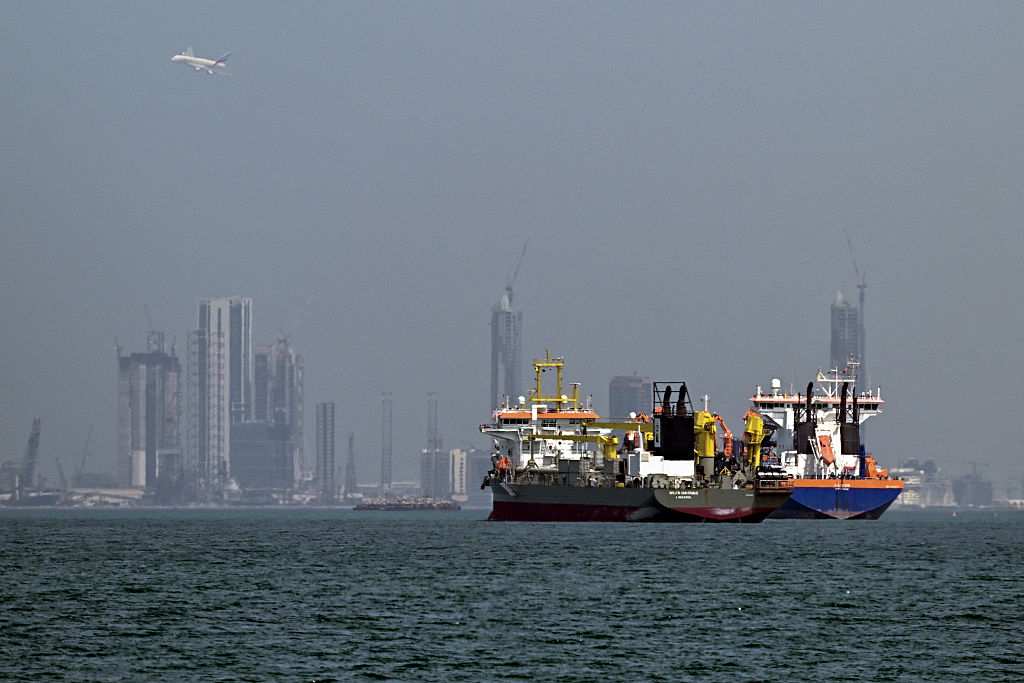
Former members of the 2015 Iran nuclear deal negotiating team warn that military pressure alone will not reopen the Strait of Hormuz, one of the world’s most critical energy routes.
Analysts say the longer the crisis continues, the greater the risk to global oil supplies, shipping, inflation, and borrowing costs.
In the US, concerns are already mounting over rising fuel prices, debt costs, mortgage rates, and economic instability.
At the center of the deadlock remains Iran’s nuclear program. Tehran says it is willing to accept limits on enrichment and export highly enriched uranium under certain conditions, but insists it will not dismantle its nuclear infrastructure or abandon enrichment on Iranian soil.
Meanwhile, mistrust between Washington and Tehran remains deep after military strikes took place during negotiations, complicating efforts to revive diplomacy.
The standoff comes as violence also continues in the occupied West Bank, where Israeli raids and settler attacks have intensified.
So can diplomacy still prevent a wider regional and economic crisis — or is the confrontation entering a more dangerous phase? —May 17, 2026
Main image: The New Arab