


KIDNEY cancer is often not something people think about when they feel healthy. That can make it easy to overlook, as early kidney cancer frequently causes no obvious symptoms.
According to Dr Christopher Lee Kheng Siang, Consultant Urologist and Robotic Surgeon at Sunway Medical Centre, Sunway City, kidney cancer, including renal cell carcinoma (RCC), can develop quietly and may only be discovered when patients undergo imaging for another reason.
Kidney tumours can appear as solid masses or complex cysts. While some kidney masses are benign, others can be malignant and require further assessment and treatment.
“In Malaysia, 47% of kidney cancers are detected late. While early RCC has a high cure rate, late-stage disease is often not curable, and treatment is mainly aimed at prolonging survival,” Dr Lee noted.
Often silent in its early stages
One reason kidney cancer can be diagnosed late is that early-stage disease often causes no symptoms.
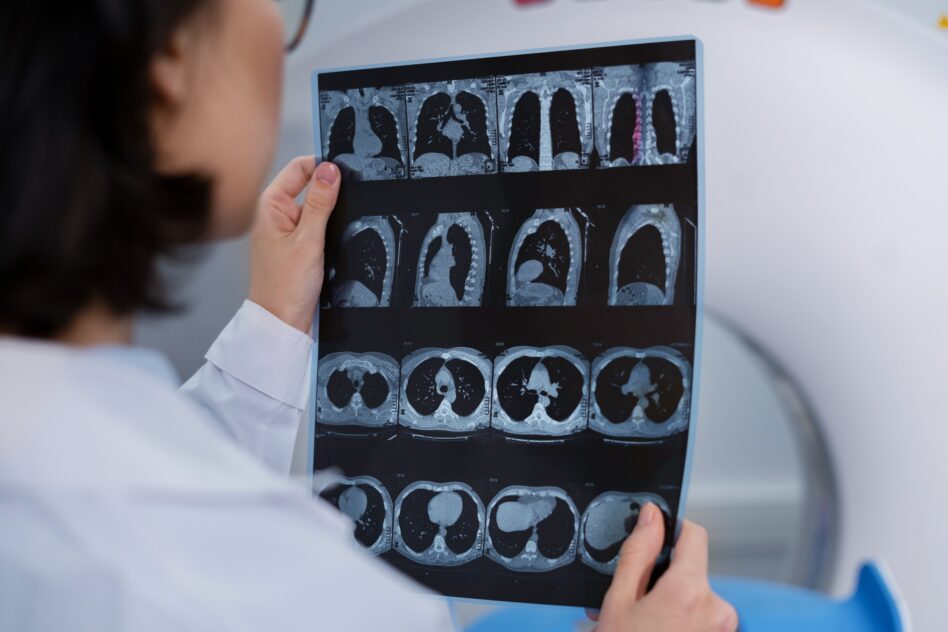
“Early kidney tumours and cysts are usually silent. In many cases, they are picked up incidentally during abdominal ultrasound scans or other imaging performed for health assessments or unrelated medical reasons,” Dr Lee explained.
Symptoms may become more apparent as a tumour grows. These can include pain in the abdomen or lower back, abdominal swelling and blood in the urine.
More advanced disease may also cause general symptoms such as persistent fatigue, reduced appetite or unexplained weight loss.
These symptoms can have many other causes, but persistent or unexplained symptoms should be assessed by a doctor.
How kidney cancer is diagnosed
When imaging identifies a kidney mass or suspicious cyst, patients may be referred to a urologist for further assessment.
A contrast-enhanced CT scan is commonly used to characterise renal masses and determine whether a tumour has spread. Clinical guidelines recognise multiphasic contrast-enhanced CT as an important investigation for diagnosing and staging renal tumours.
“A biopsy is not always required before surgery. In patients for whom surgery is already planned, imaging may provide sufficient information to proceed without a biopsy,” Dr Lee elaborated.
However, a biopsy may be recommended in selected cases, particularly when the result could influence the choice of treatment.
Early treatment can preserve kidney function
When kidney cancer is detected while it remains confined to the kidney, surgery can often be curative.
Depending on the tumour’s size and location, surgeons may perform a partial nephrectomy, removing the tumour while preserving the rest of the kidney, or a radical nephrectomy, which involves removing the entire kidney.
“Partial nephrectomy is preferred when feasible, as it preserves functioning kidney tissue,” Dr Lee said.
Preserving kidney function can be particularly important for patients with a single functioning kidney or those at greater risk of developing chronic kidney disease.
The role of minimally invasive and robotic surgery
Kidney cancer surgery can be performed using open, laparoscopic or robotic-assisted techniques, depending on the tumour and the patient’s circumstances.
Dr Lee said minimally invasive approaches can offer benefits such as smaller incisions, less postoperative pain and a shorter recovery compared with conventional open surgery.
Robotic-assisted surgery can also help surgeons perform technically demanding partial nephrectomies.
“The technology provides a three-dimensional, high-definition view and precise instruments that mimic the surgeon’s hand movements,” he continued.
“This allows us to attempt complex partial nephrectomies that previously may have required removing the entire kidney.”

He also stressed that the robot does not perform the operation independently.
“The robot does not operate on its own. All movements are completely controlled by the surgeon, without any automated or artificial intelligence-driven actions,” Dr Lee said.
Know when to seek medical advice
While regular health checks can identify a range of health problems, there is currently no recommended routine screening test for kidney cancer among people at average risk who have no symptoms.
Imaging such as ultrasound, CT and MRI can detect kidney tumours, but there is insufficient evidence that routinely screening asymptomatic, average-risk people provides more benefit than harm.
Kidney cancers are, however, sometimes discovered incidentally when imaging is performed for unrelated medical reasons.
People with symptoms or particular risk factors should discuss with their doctor whether further investigation or monitoring is appropriate.
The key message, Dr Lee said, was not to ignore persistent warning signs simply because kidney cancer can be difficult to detect in its early stages.
“RCC is a highly curable disease when detected early,” he added.
Early detection can improve the chances of curative treatment and, where appropriate, allow surgeons to preserve as much healthy kidney tissue as possible. ‒ Aug 18, 2026
Main image: Sunway Medical Centre