

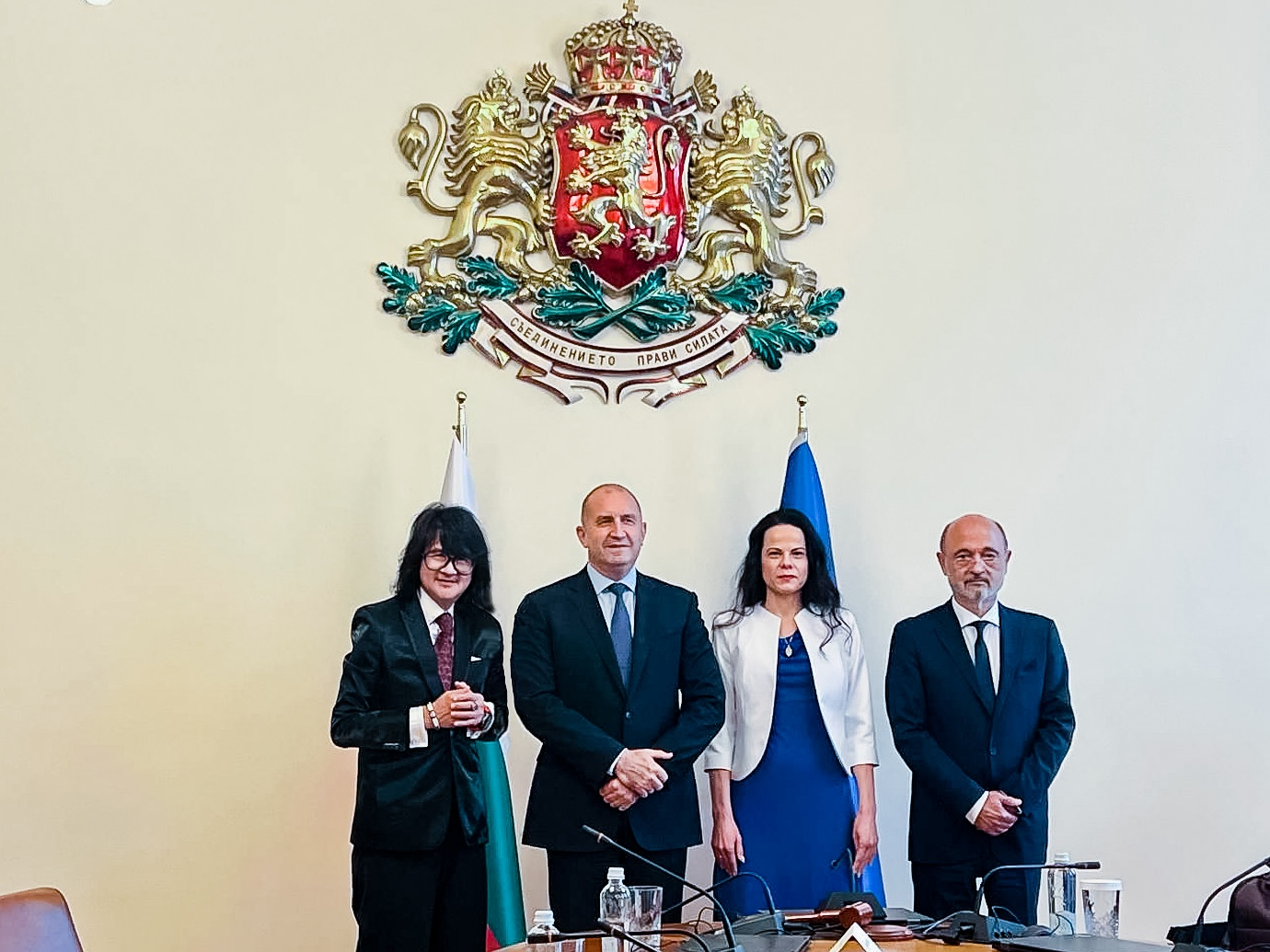
MALAYSIA’S expertise in regenerative medicine took centre stage on the international platform when Prof Datuk Seri Dr Mike Chan led a high-level delegation of healthcare specialists to Bulgaria for discussions on healthy ageing, healthcare innovation and scientific collaboration.
Held in July at the invitation of the Bulgarian government, the mission brought together experts from Malaysia, Germany, Japan and Taiwan to explore opportunities for collaboration in regenerative medicine, biotechnology, artificial intelligence (AI) and precision healthcare.
The delegation met Bulgarian Prime Minister Rumen Radev to discuss strengthening international partnerships in healthcare and biomedical research.
According to Bulgaria’s Council of Ministers, the discussions centred on expanding collaboration with leading medical specialists and researchers as the country seeks to strengthen its healthcare innovation ecosystem.

The meeting also reflected the growing recognition that many healthcare challenges can no longer be addressed by individual countries alone.
As populations age and chronic diseases become more prevalent, governments are increasingly looking beyond national borders to accelerate medical innovation through scientific collaboration and knowledge sharing.
For Dr Chan, founder of European Wellness Biomedical Group and a pioneer in regenerative medicine, the visit underscored the importance of international cooperation in developing healthcare solutions that improve both longevity and quality of life.
A central theme of the discussions was healthspan rather than simply lifespan. Instead of focusing solely on helping people live longer, Dr Chan advocated healthcare strategies that enable people to remain healthy, active and independent well into old age.
“Living longer only has value if people remain healthy, active and independent,” he said during meetings with Bulgaria’s Health Ministry.
The emphasis on healthspan reflects a broader shift in healthcare policy worldwide. Rather than concentrating primarily on extending life expectancy, researchers and policymakers are placing greater importance on preventing age-related illnesses, preserving physical and cognitive function, and enabling older adults to remain independent for as long as possible.
Such an approach is increasingly seen as essential to easing long-term pressure on healthcare systems while improving overall quality of life.
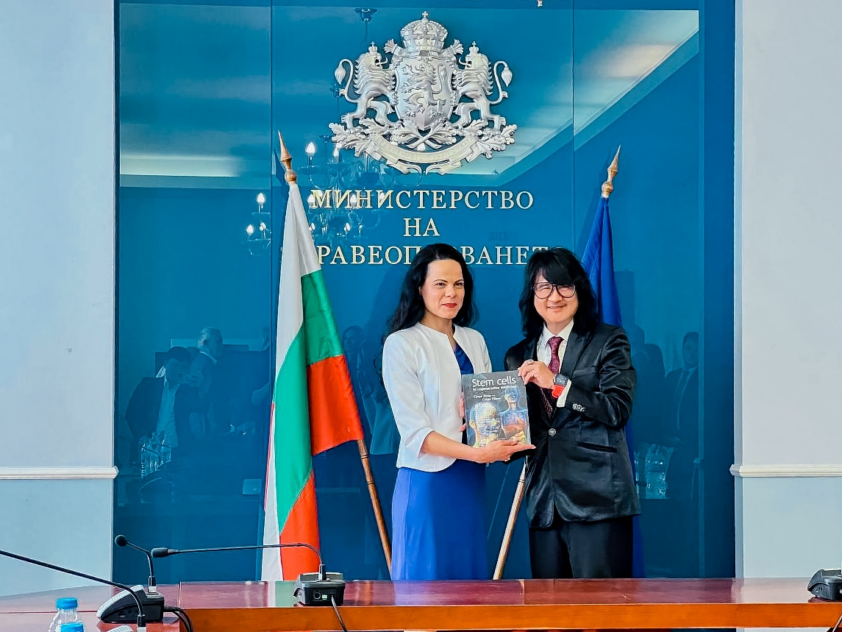
Discussions with Health Minister Katya Ivkova covered regenerative medicine, stem cell science, peptide therapy, mitochondrial medicine and precision healthcare, with particular emphasis on developing healthcare models that better address ageing populations and chronic diseases.
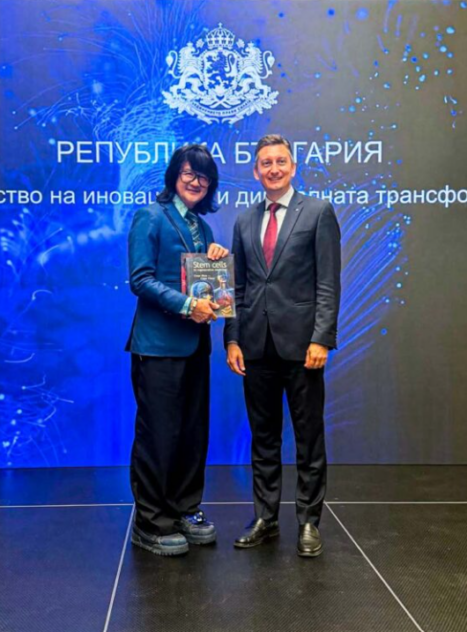
The delegation also met officials from Bulgaria’s Innovation and Digital Transformation Ministry to discuss biotechnology, digital healthcare and the growing role of AI in disease detection, clinical decision-making and personalised treatment.
The discussions reflected the increasing convergence of medical science and digital technologies in shaping future healthcare systems.
Advances in AI, data analytics and precision medicine are enabling healthcare providers to diagnose diseases earlier, tailor treatments more effectively and improve long-term patient outcomes.
These technologies are expected to play an increasingly important role alongside conventional medical practice as healthcare systems continue to evolve.
Beyond government engagements, the delegation visited hospitals, universities and healthcare institutions to exchange expertise in clinical practice, medical research and healthcare delivery.
The programme also explored opportunities for future collaboration in medical education, scientific research and the application of regenerative medicine within clinical settings.
The international delegation reflected the multidisciplinary nature of modern healthcare.
It brought together physicians, scientists and healthcare technology experts whose expertise spanned regenerative medicine, pulmonology, neurosurgery, stem cell science, biotechnology, AI and medical technology transfer.
The diversity of backgrounds allowed participants to exchange perspectives on emerging research, clinical applications and healthcare innovation while strengthening professional networks across Europe and Asia.
Among the participants were senior physicians from Germany’s Charité – Universitätsmedizin Berlin and Heidelberg University Hospital, alongside regenerative medicine specialists from Japan and healthcare technology experts from Taiwan.
For Dr Chan, collaboration across borders is becoming increasingly important as countries seek solutions to ageing populations, chronic diseases and growing healthcare demands.
“Our future lies in international scientific partnerships. When researchers, clinicians and governments work together, innovation moves much faster and patients benefit sooner,” he remarked.
The mission also provided an opportunity to showcase Malaysian expertise in regenerative and longevity medicine while strengthening links between European and Asian medical institutions.
It highlighted how scientific collaboration can accelerate the exchange of knowledge, clinical experience and emerging technologies across national boundaries.
Although the visit did not result in formal agreements, it reinforced the value of sustained engagement between governments, healthcare institutions and researchers. Such exchanges are increasingly viewed as an important foundation for future collaboration in medical research, education and healthcare innovation.
As healthcare systems worldwide confront demographic change and increasing demand for long-term care, partnerships between governments, researchers and clinicians are expected to play an increasingly important role in translating scientific advances into practical healthcare solutions.
For Bulgaria, the visit reflected its ambition to strengthen its position in healthcare innovation through international cooperation.
For Malaysia, it demonstrated how local expertise in regenerative medicine can contribute to global discussions on healthy ageing, biomedical research and the future of healthcare. ‒ July 24, 2026