
Letter to editor
I HAVE read numerous reports and watched many videos about Malaysia uploaded by foreign content creators. It is interesting to see how foreigners perceive our country, while also discovering things I might not know about Malaysia.
Videos with sharp images, crystal-clear sound and intelligent narration can be captivating.
On the other hand, if the footage is grainy or the sound muffled, I quickly lose interest. I am also wary of deceptive titles used to lure viewers into clicking on links.
The contents may be sensationalised, exaggerated, misleading or even fabricated. Unfortunately, many viewers accept such material as fact and propagate inaccuracies by sharing the videos without checking their claims.
This often happens when people discuss nationalities, ethnic groups, languages and food. Some content creators appear unable to distinguish between these categories.
When foreigners discuss Malaysians, our languages and our food, they sometimes make sweeping statements with great confidence, leaving me wondering where they obtained their information.
The same misconceptions exist among Malaysians. Some assume that people in the United States speak a language called American and consume mostly American food, overlooking the country’s extraordinary cultural and linguistic diversity.
Australia is another example of a highly multicultural society. According to its 2021 Census, 27.6% of its population was born overseas, while 48.2% had at least one parent born overseas. However, these figures reflect migration backgrounds rather than racial composition.
Interestingly, there is no single language called Indian. India is home to hundreds of languages, with 22 recognised in its Constitution’s Eighth Schedule. Its population encompasses numerous ethnic communities, cultures, religions and culinary traditions.
Malaysians are perhaps most familiar with Tamil-speaking communities, as well as the Sikh community, whose members have their own distinct language, traditions and cultural identity.
Surprisingly, Papua New Guinea is the world’s most linguistically diverse country, with approximately 840 living languages spoken among its relatively small population. Its linguistic diversity reflects the many distinct communities and histories found within the country.
We should remember that nationality, ethnicity, language and food are different concepts. Nationality generally refers to a person’s legal membership of a country, not their ethnic background, language or culinary preferences.

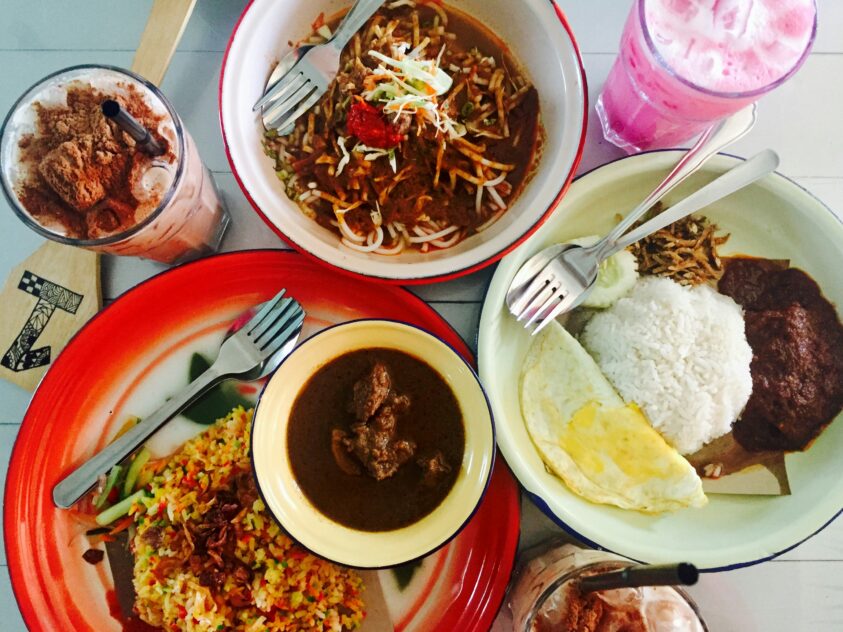
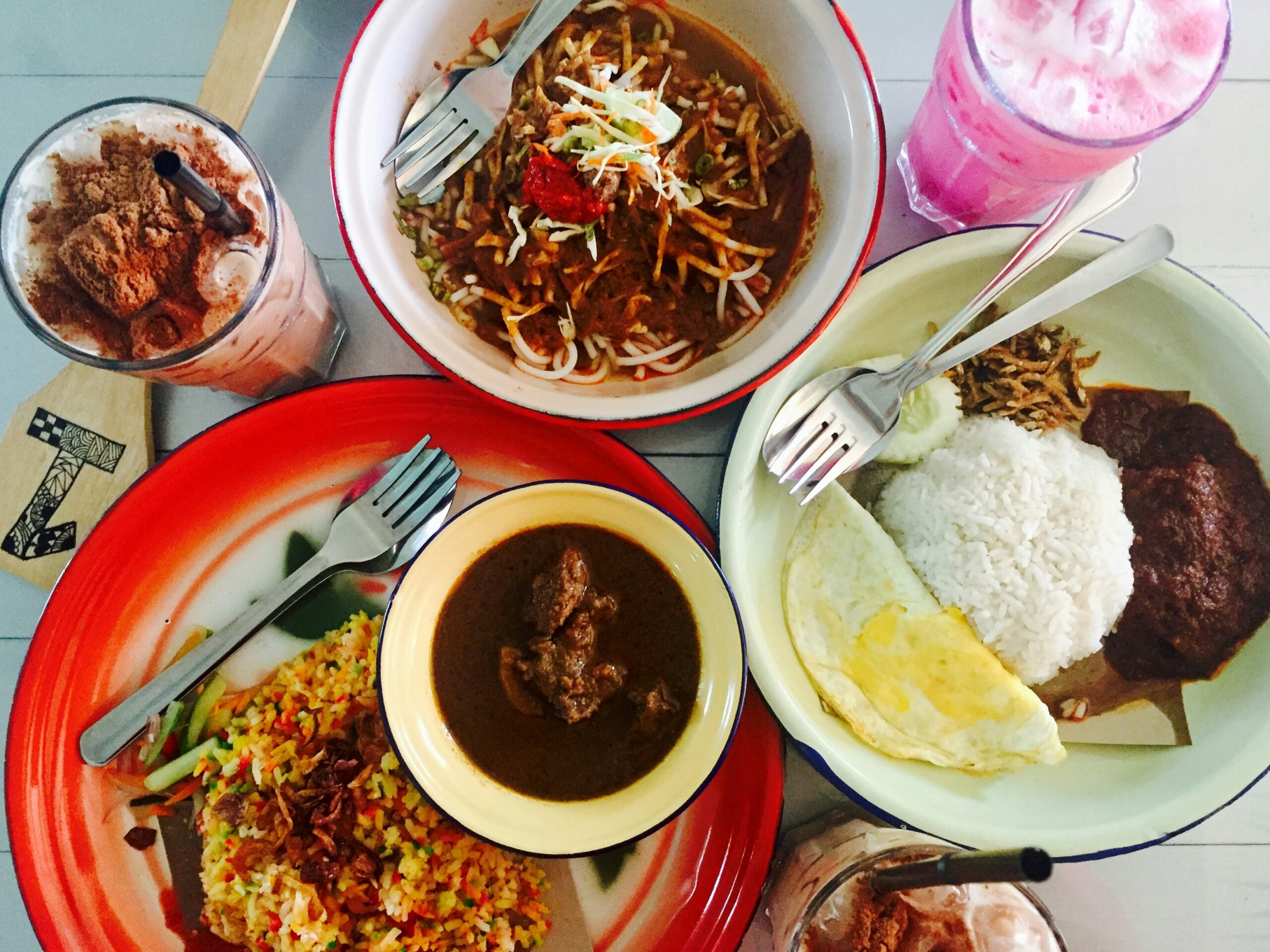
There is also a significant difference between Malaysian food and food in Malaysia. To me, the former refers mainly to dishes commonly associated with local communities and widely consumed by Malaysians.
These include familiar foods from the Malay, Chinese and Indian communities, among others.
Food in Malaysia, however, encompasses everything readily available in the country. This includes local dishes as well as Japanese, Korean, Vietnamese, Thai, Arabic, Italian and Western cuisines that have become popular among Malaysians and foreign residents.
As Malaysians well know, not all Malay, Chinese and Indian foods are the same. Their origins, ingredients, preparation methods and flavours vary considerably.
The Malay Archipelago, China and South Asia, which includes India, Pakistan and Bangladesh, are vast regions with numerous languages, cultures and culinary traditions. It is naive to assume that an entire country’s food can be represented by a handful of familiar dishes.
Even when described broadly as Malay, Chinese or Indian food, many dishes have evolved through local influences and adaptations. Their flavours have been embraced and enjoyed by Malaysians and visitors alike.
Being a Malaysian Chinese, I enjoy Cantonese, Hokkien, Hakka and Hainanese cuisines. However, I find myself preferring popular Malay and Indian dishes to many foods from other regions of China.
Food is an important part of understanding a country’s culture, but it should not be reduced to simplistic labels.
The next time we watch a foreign content creator discussing Malaysia, perhaps we should ask whether the information reflects the country’s diversity or merely reinforces familiar stereotypes.
After all, appreciating a country’s food and people requires more than knowing a few popular dishes and recognising a few languages. ‒ Nov 10, 2026
YS Chan
Kuala Lumpur
The views expressed are solely of the author and do not necessarily reflect those of Focus Malaysia.
Main image: Unsplash/Damia Mustafa