
IN THE heart of Malaysia’s energy transition, biomass is emerging as a powerhouse for decarbonisation, industrial steam and sustainable growth.
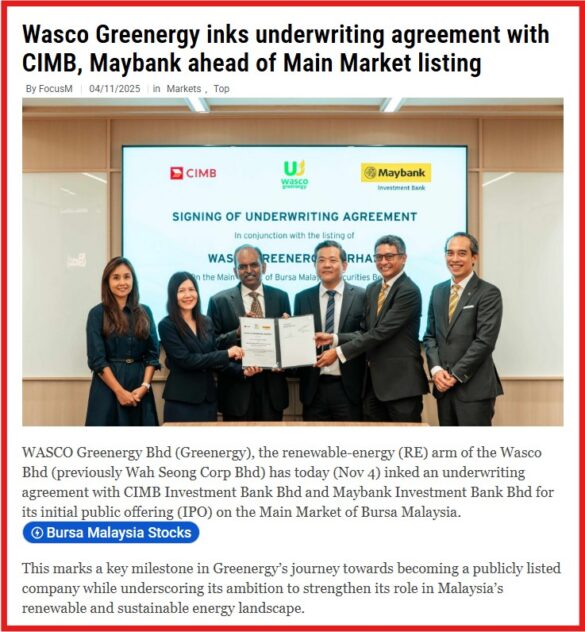
As the nation accelerates towards net-zero ambitions under the National Energy Transition Roadmap (NETR), Bursa Malaysia’s Main Market-bound Wasco Greenergy Bhd is leading the charge with proven technologies and end-to-end solutions.
With over 40 years in the industry, the renewable-energy (RE) arm of Wasco Bhd (previously Wah Seong Corp Bhd) is transforming palm oil waste – once a burdensome by-product – into a valuable, carbon-neutral fuel source.
Its CEO Lee Yee Chong believes the timing has finally aligned – policy momentum, maturing technology and global demand for decarbonisation have converged to make biomass energy a viable growth engine for Malaysia and the wider region.
“The timing is right – the technology is ready, and the policy push is strong,” Lee told FocusM in Kuala Lumpur. “They (the government) are giving more incentives. We hope they will do more on that, and of course, the other thing is decarbonisation. It becomes a force that you cannot ignore anymore.
Sustainable aviation fuel
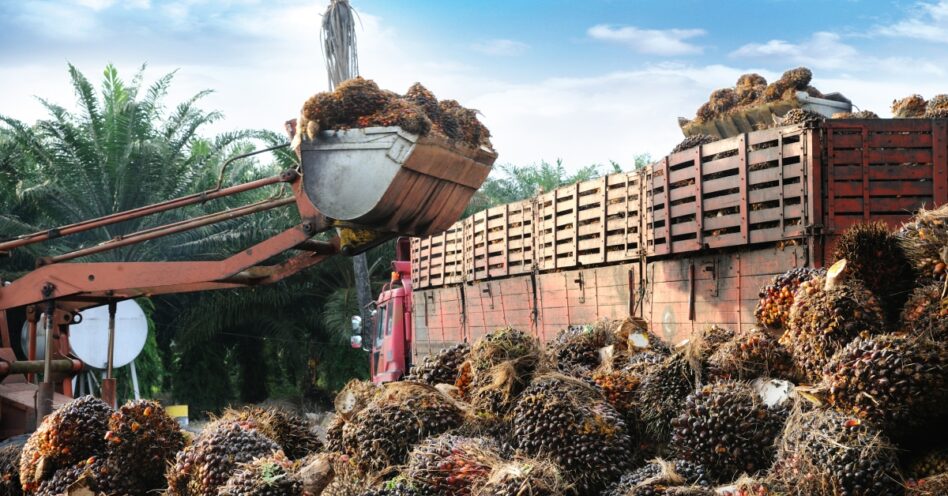
Malaysia is uniquely positioned in Southeast Asia’s biomass landscape. Abundant empty fruit bunches (EFB) from the palm oil sector – estimates suggest Malaysia produces over 20 million tonnes annually – represent a vast, under-utilised resource.
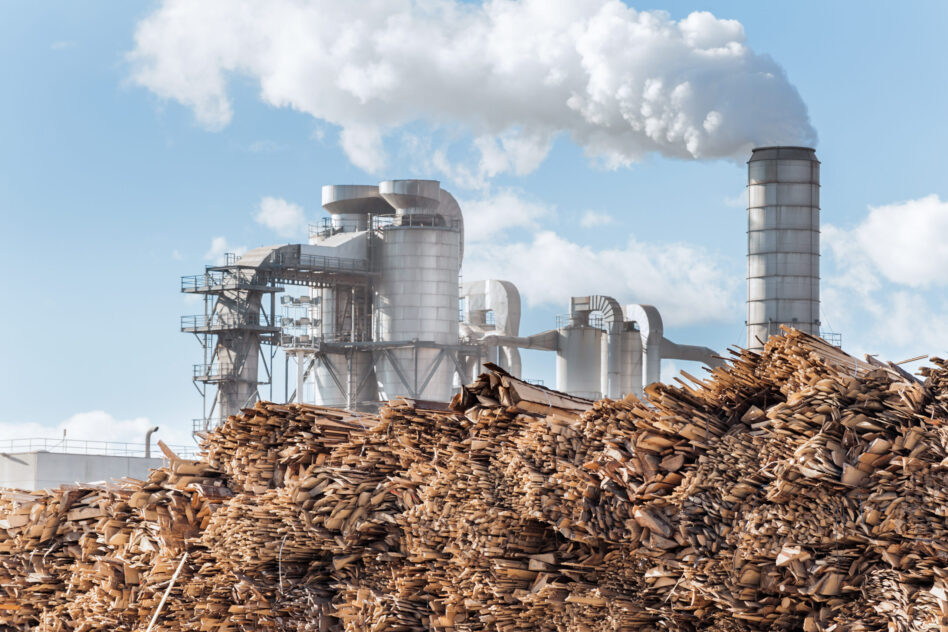
Historically challenging to process due to high moisture, low density and technical hurdles, EFB management deterred adoption.
“But advancements have shattered these barriers. Wasco Greenergy’s specialised fuel processing systems now efficiently chop, press and dry EFB to extract residual oil for high-value applications like sustainable aviation fuel (SAF),” revealed Lee.

European mandates are driving SAF premiums, often exceeding edible oil prices, thus pushing for “waste” to be turned into revenue streams. The remaining fibre becomes combustible, boiler-ready fuel.
On the boiler side, Wasco Greenergy’s WD series guarantees 90 days of continuous operation at high EFB mix ratios – a feat unimaginable a decade ago.
“We’ve installed several proven units in the past five years,” enthused Lee. “Reliability was the old worry; we’ve engineered it out.”
This capability supports continuous industrial operations and provides the realisable steam that manufacturing complexes require, thus addressing a critical gap that intermittent renewables like solar alone cannot fill.
First mover advantage
Policy momentum is super-charging this shift. The Sustainable Energy Development Authority (SEDA) raised feed-in tariffs to RM0.38/kWh last year which has significantly improved project bankability and led to a noticeable uptick in new applications and award under the latest FiT (Feed-In Tariff) cycle.
The 2025 cycle saw around 53MW of new biomass projects successful awarded, signalling renewed commercial interest and policy support for bioenergy.
Next year’s FiT 2.0 bidding round will open with a total quota of 300MW across biogas, biomass and small hydro. Of that amount, 150MW is specifically allocated to biomass.
In Peninsular Malaysia where grid electricity remains carbon-intensive, co-generation helps reduce emissions by turning gas-turbine waste heat into usable steam which cuts fuel consumption and lowers reliance on the grid.
“ESG (environment, social and governance) compliance is no longer optional; it’s a competitive imperative,” stressed Lee. “Multinational clients, scrutinised by net-zero pledges, demand verifiable reductions.”
Likewise, local players are jumping in for economics. A manufacturer, not in palm oil, who ordered a second Wasco Greenergy’s biomass boiler after one year of operation yielded massive savings, according to Lee.
“Early movers enjoy cost advantages with carbon credits serving as an additional bonus,” Lee explains. “Biomass steam plants offer carbon-neutral alternatives to natural gas or diesel, inefficient via electricity for steam needs.”
Regional leader
So what sets Wasco Greenergy apart from its competitors? Unlike standard boiler providers focused on palm mills, the group is an engineering powerhouse offering tailored, full-value-chain solutions: fuel processing (two-in-one presses), steam boilers, steam turbines and even build-own-operate (BOO) models.
“We don’t sell the cheapest equipment; we deliver lifecycle value – higher throughput, reliability and savings,” shared Lee.
On another aspect, he said R&D is embedded in the company’s DNA with future goals include extended continuous running capabilities and further enhancing combustion efficiency.
Separately, the company is targeting to power its Shah Alam manufacturing plant with 100% green energy by mid-2026.
Looking at three to five years down the road, Malaysia is poised to be an ASEAN bioenergy leader, hence regional expansion beckons.
“Malaysia has the technology, the resources and the momentum. The next step is converting policy into real projects to scale even greater heights,” added Lee. – Nov 19, 2025